This week on The Beat, CTSNet Editor-in-Chief Joel Dunning spoke with Dr. John Forrest, a cardiologist and Director of both Interventional Cardiology and the Structural Heart Disease Program at Yale Medicine, New Haven, CT, USA, about a paper he authored titled “Six-Year Outcomes After Transcatheter vs Surgical Aortic Valve Replacement in Low-Risk Patients With Aortic Stenosis,” published by the Journal of the American College of Cardiology. They explored other randomized trials involving high-risk and intermediate-risk patients with aortic stenosis and examined the specific goals of this low-risk trial. The discussion then delved into the trial’s results, highlighting that there was no significant difference in the composite endpoint of all-cause mortality or disabling stroke. However, a noteworthy finding was that the transcatheter aortic valve replacement (TAVR) arm experienced a higher reintervention rate compared to surgery, primarily due to an increased incidence of aortic regurgitation. They also addressed factors such as valve dilation, stents, and various reasons for surgical valve failure. Additionally, they examined the similarities between this trial and other partner trials and the future for low-risk patients with aortic stenosis.
Joel also highlights recent JANS articles on the updated five-year outcomes of transcatheter versus surgical aortic valve replacement in patients with severe aortic stenosis at low- to intermediate-surgical risk, a United States nationwide analysis on the changing landscape of temporary mechanical circulatory support devices in the new heart allocation system, pulmonary resection post-coronary artery bypass grafting, and a randomized controlled trial on the preoperative exercise to improve fitness in patients undergoing complex surgery for cancer of the lung or esophagus (PRE-HIIT).
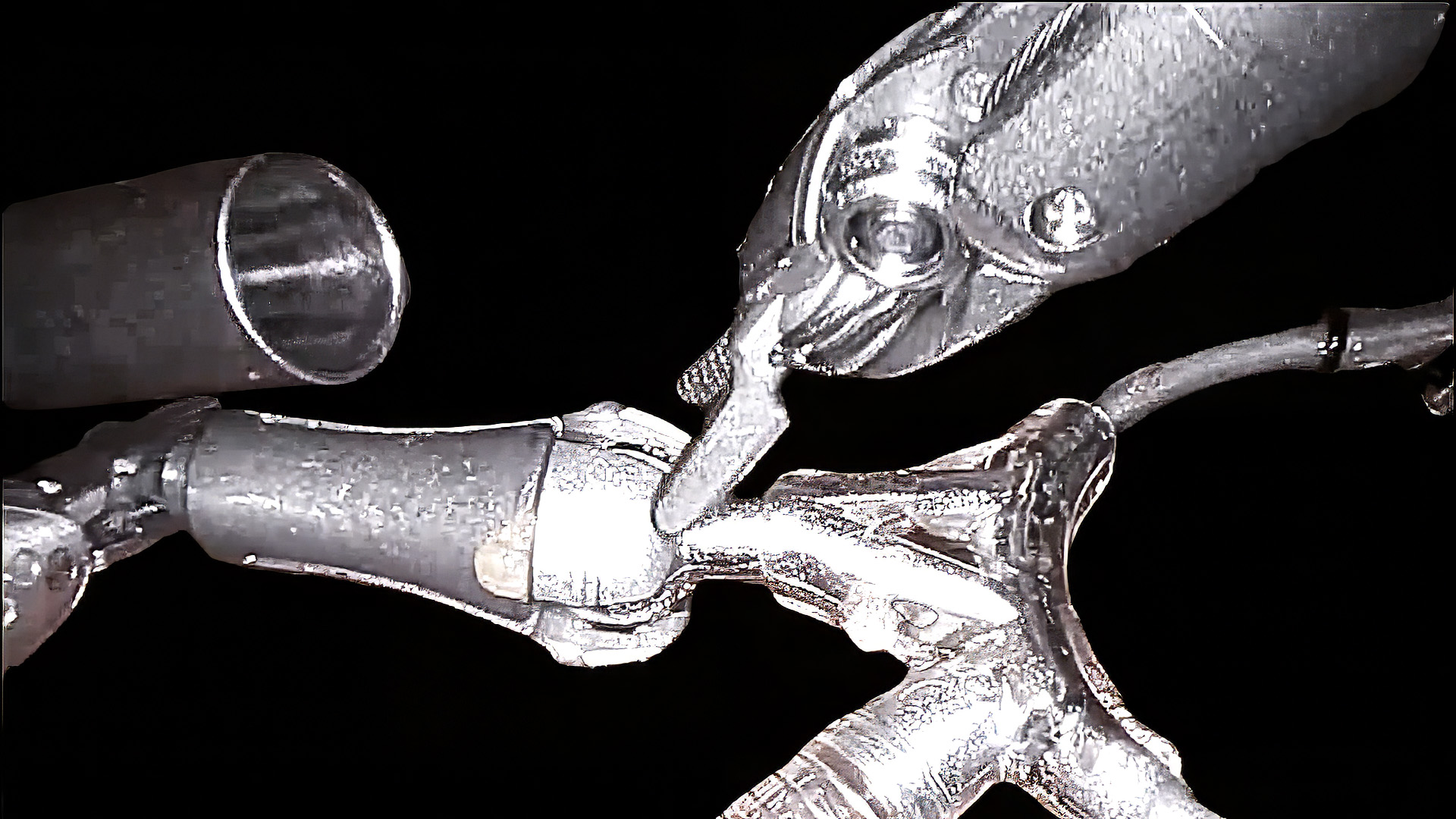
In addition, Joel explores redo mitral valve replacement after previous valve-in-valve mitral TAVR, aortic repair after acute intramural hematoma, and repair of acute severe mitral regurgitation due to iatrogenic papillary muscle rupture. Before closing, Joel highlights upcoming events in CT surgery.
JANS Items Mentioned
CTSNet Content Mentioned
1.) Redo Mitral Valve Replacement After Previous Valve-in-Valve Mitral TAVR
2.) Aortic Repair After Acute Intramural Hematoma
3.) Repair of Acute Severe Mitral Regurgitation Due to Iatrogenic Papillary Muscle Rupture
Other Items Mentioned
2.) The Lifeline: End-Tidal Carbon Dioxide Monitoring in Cardiac Surgical Emergencies
3.) Instructional Video Competition
Disclaimer
The information and views presented on CTSNet.org represent the views of the authors and contributors of the material and not of CTSNet. Please review our full disclaimer page here.
 53 views on Vimeo