


Mithran Sukumar
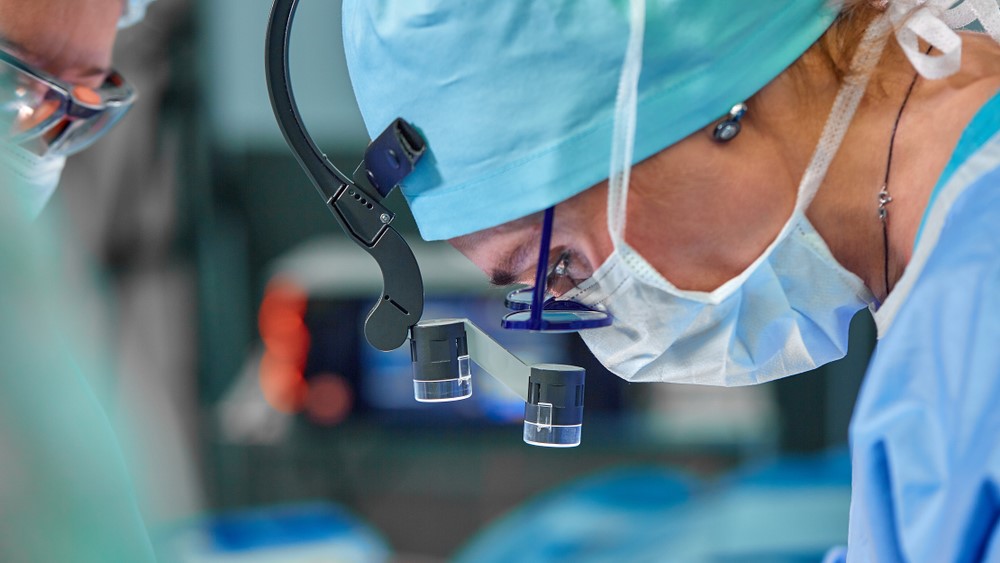
In the minimally invasive age, thoracic dissection for esophagectomy is most commonly conducted through the right hemithorax. However, anatomical variation requires a tailored, patient-specific approach. In this case, a left-sided approach for esophageal mobilization...

Introduction In the 21st century, when video-assisted pulmonary resections are done safely and effectively throughout the world, it is easy to forget how recently lung surgery was extremely risky and...
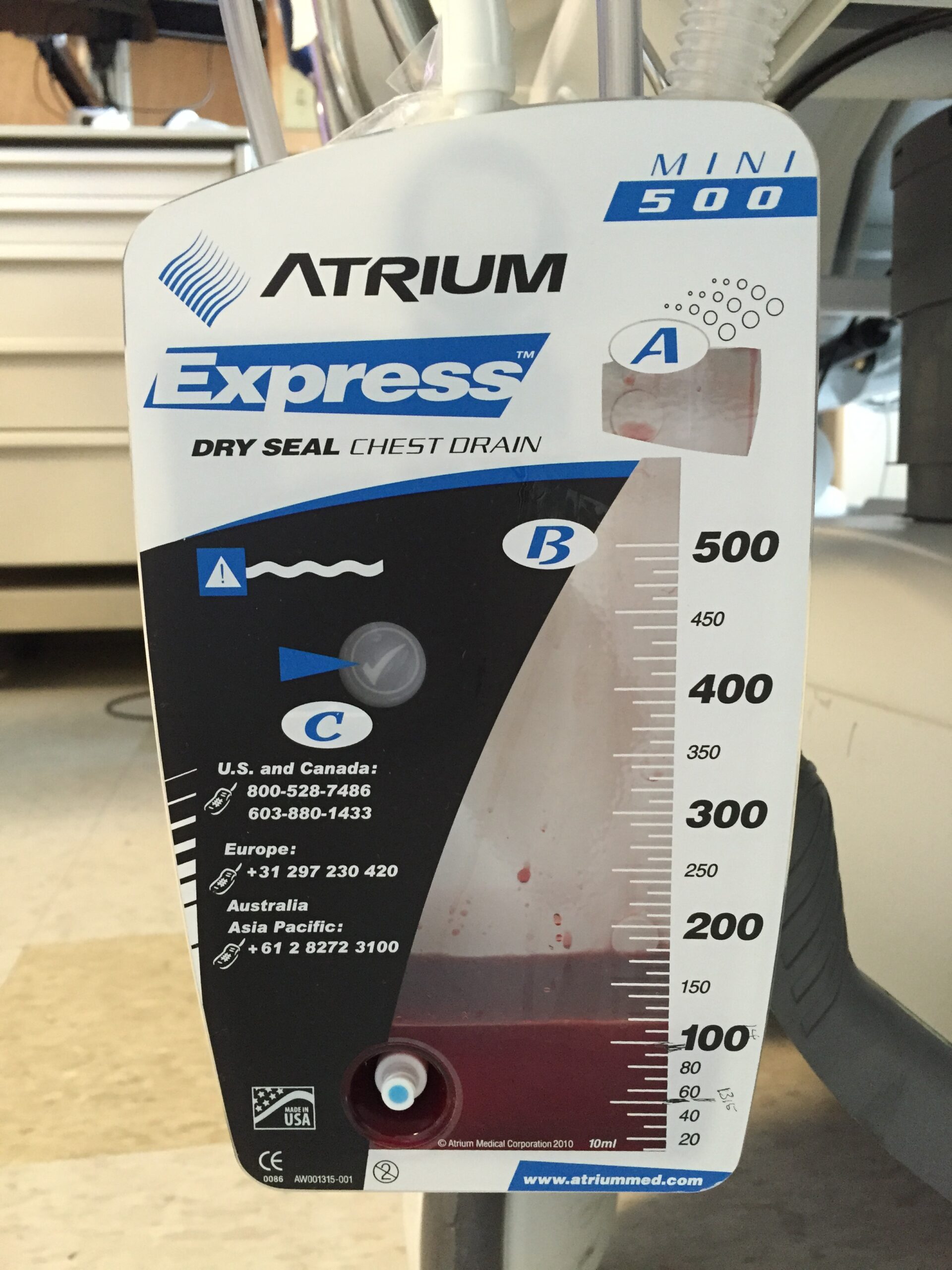
Tube thoracostomy is often the first step in the treatment of pneumothorax, hemothorax, hemopneumothorax, empyema, and pleural effusion. Although tube thoracostomy was not accepted as the standard of care for...
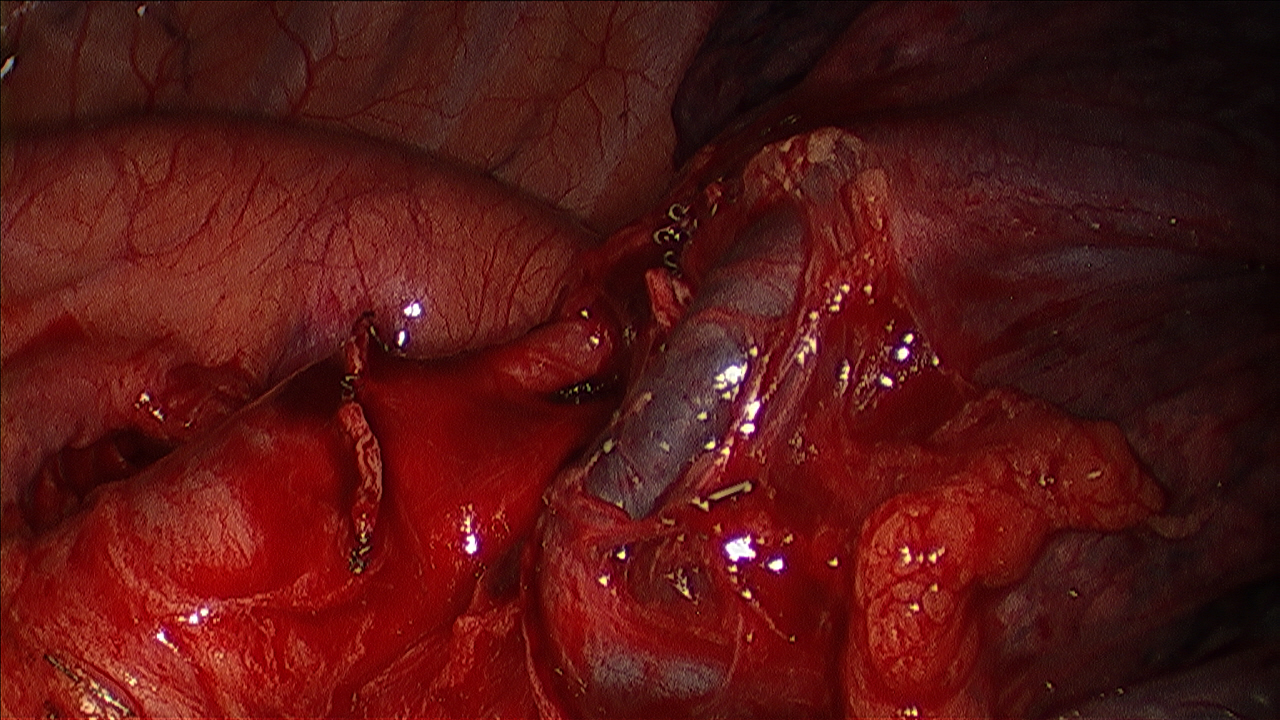

Increasing experience with thoracoscopic lobectomy has created an interest in performing anatomical segmentectomy using the thoracoscope, as it combines the benefits of lung conservation with avoidance of a thoracotomy. Typically...

The ability to completely drain the thoracic cavity, break up loculations of pleural fluid, completely visualize all aspects of the pleural space, and avoid the morbidity of a thoracotomy has...
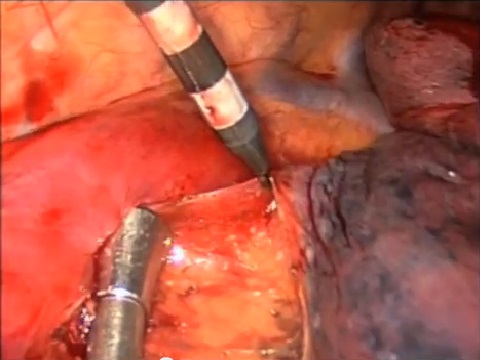
The video outlines the salient clinical features of esophageal leioyomyoma and their thoracoscopic management. The pertinent surgical steps are outlined to demonstrate the surgical technique that is involved in this...

The intercostal muscle is a reliable buttress for the bronchial stump following pneumonectomy and lobectomy in high risk patients. We describe a technique for flap harvest to buttress the bronchial...

Patients who have had a second episode of spontaneous pneumothorax are those most likely to be considered for thoracoscopic pleurectomy and apical blebectomy. Patient Selection Patients who have had a...

Introduction Chordomas are rare, slow-growing neoplasms derived from notochord remnants which form the early spine in fetal development. Most of the notochord is replaced by spine during the first six...

Introduction Pericardial cysts are an uncommon benign congenital anomaly in the middle mediastinum. They represent 6% of mediastinal masses, and 33% of mediastinal cysts. Other cysts in the mediastinum are...
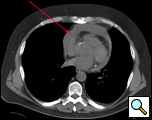
Hemodynamically stable patients with an undiagnosed pericardial effusion are well suited for a thoracoscopic window. When pericardial, pleural, or pulmonary pathology co-exist and require diagnosis or therapy, a thoracoscopic approach...

This article describes a safe and effective way to mobilize the cervical esophagus paying special attention to preservation of the recurrent laryngeal nerve. Patient Selection Exposure of the esophagus in...
 …
…Ligation of the thoracic duct is indicated in any patient with a traumatic or iatrogenic chylothorax who has not responded to a brief trial of conservative management such as a...