This case reported by Bartoli and colleagues describes the remarkable recovery of a child who survived prolonged submersion in ice-cold water, enduring more than 2.5 hours of deep hypothermic, asystolic circulatory arrest.
An 8-year-old, 26-kg boy playing outdoors during the winter in Pennsylvania and was subsequently found submerged beneath broken pond ice. The total estimated submersion time ranged from 147 to 177 minutes. Upon rescue, he was in asystole and profoundly hypothermic, with no-touch infrared thigh temperature of 7°C. Cardiopulmonary resuscitation was initiated immediately and continued for 69 minutes during transport to the cardiac surgery operating room, with active rewarming deferred until arrival.
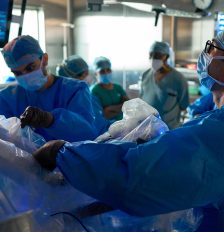
Femoral venoarterial extracorporeal membrane oxygenation (ECMO) was initiated, and the patient was gradually rewarmed, ultimately achieving return of normal sinus rhythm. On postoperative day one, he was transferred to the Children’s Hospital of Philadelphia, where he was converted to single-cannula internal jugular venovenous ECMO. He was successfully decannulated on day 12 and extubated on day 30. By day 59, he was discharged to inpatient neurorehabilitation and has since demonstrated continued cognitive improvement.