Skip to content
Skip to content

AI-Powered Oral Board Training Is Available to CTSNet Users Now!

LEARN MORE
Not a member yet? Register now.
  • ABOUT
    • Leadership
    • Participation
    • Featured Sponsors
    • Submission Guidelines
    • Competitions
      • Innovation Video Competition
      • Resident Video Competition
    • Community
      • Volunteer
      • Badges
    • Contact Us
  • EXPLORE CTSNET
    • CARDIAC
    • THORACIC
    • CONGENITAL
    • Clinical Care Professionals
    • JANS
    • Events
    • Journals
  • Videos
    • Atlas of Cardiac Surgery
    • Webinars
    • Master Class
    • Guest Interviews
    • Conference Sessions
  • Podcasts
    • The Beat With Joel Dunning
    • The Atrium
    • The Cardiac Recovery Room
    • The Lifeline
  • Profiles
    • Users Directory
    • Organizations
  • CAREERS
    • US Career Center
    • European Career Center
SUBMIT CONTENT
DONATE
JOIN

AI-Powered Oral Board Training Is Available to CTSNet Users Now!

READ MORE
  • ABOUT
    • Leadership
    • Participation
    • Featured Sponsors
    • Submission Guidelines
    • Competitions
      • Innovation Video Competition
      • Resident Video Competition
    • Community
      • Volunteer
      • Badges
    • Contact Us
  • EXPLORE CTSNET
    • CARDIAC
    • THORACIC
    • CONGENITAL
    • Clinical Care Professionals
    • JANS
    • Events
    • Journals
  • Videos
    • Atlas of Cardiac Surgery
    • Webinars
    • Master Class
    • Guest Interviews
    • Conference Sessions
  • Podcasts
    • The Beat With Joel Dunning
    • The Atrium
    • The Cardiac Recovery Room
    • The Lifeline
  • Profiles
    • Users Directory
    • Organizations
  • CAREERS
    • US Career Center
    • European Career Center
Not a member yet? Register now.
  • ABOUT
    • Leadership
    • Participation
    • Featured Sponsors
    • Submission Guidelines
    • Competitions
      • Innovation Video Competition
      • Resident Video Competition
    • Community
      • Volunteer
      • Badges
    • Contact Us
  • EXPLORE CTSNET
    • CARDIAC
    • THORACIC
    • CONGENITAL
    • Clinical Care Professionals
    • JANS
    • Events
    • Journals
  • Videos
    • Atlas of Cardiac Surgery
    • Webinars
    • Master Class
    • Guest Interviews
    • Conference Sessions
  • Podcasts
    • The Beat With Joel Dunning
    • The Atrium
    • The Cardiac Recovery Room
    • The Lifeline
  • Profiles
    • Users Directory
    • Organizations
  • CAREERS
    • US Career Center
    • European Career Center
  • ABOUT
    • Leadership
    • Participation
    • Featured Sponsors
    • Submission Guidelines
    • Competitions
      • Innovation Video Competition
      • Resident Video Competition
    • Community
      • Volunteer
      • Badges
    • Contact Us
  • EXPLORE CTSNET
    • CARDIAC
    • THORACIC
    • CONGENITAL
    • Clinical Care Professionals
    • JANS
    • Events
    • Journals
  • Videos
    • Atlas of Cardiac Surgery
    • Webinars
    • Master Class
    • Guest Interviews
    • Conference Sessions
  • Podcasts
    • The Beat With Joel Dunning
    • The Atrium
    • The Cardiac Recovery Room
    • The Lifeline
  • Profiles
    • Users Directory
    • Organizations
  • CAREERS
    • US Career Center
    • European Career Center
SUBMIT CONTENT
DONATE
JOIN
You are here:
  1. Congenital

Repair of Anomalous Right Coronary Artery Origin From the Pulmonary Artery Via Vertical Right Axillary Thoracotomy

  • October 26, 2026

By: Oleksandr Yachnik, Andriy Pylypets

Keywords:

  • Congenital & Pediatric Coronary Artery

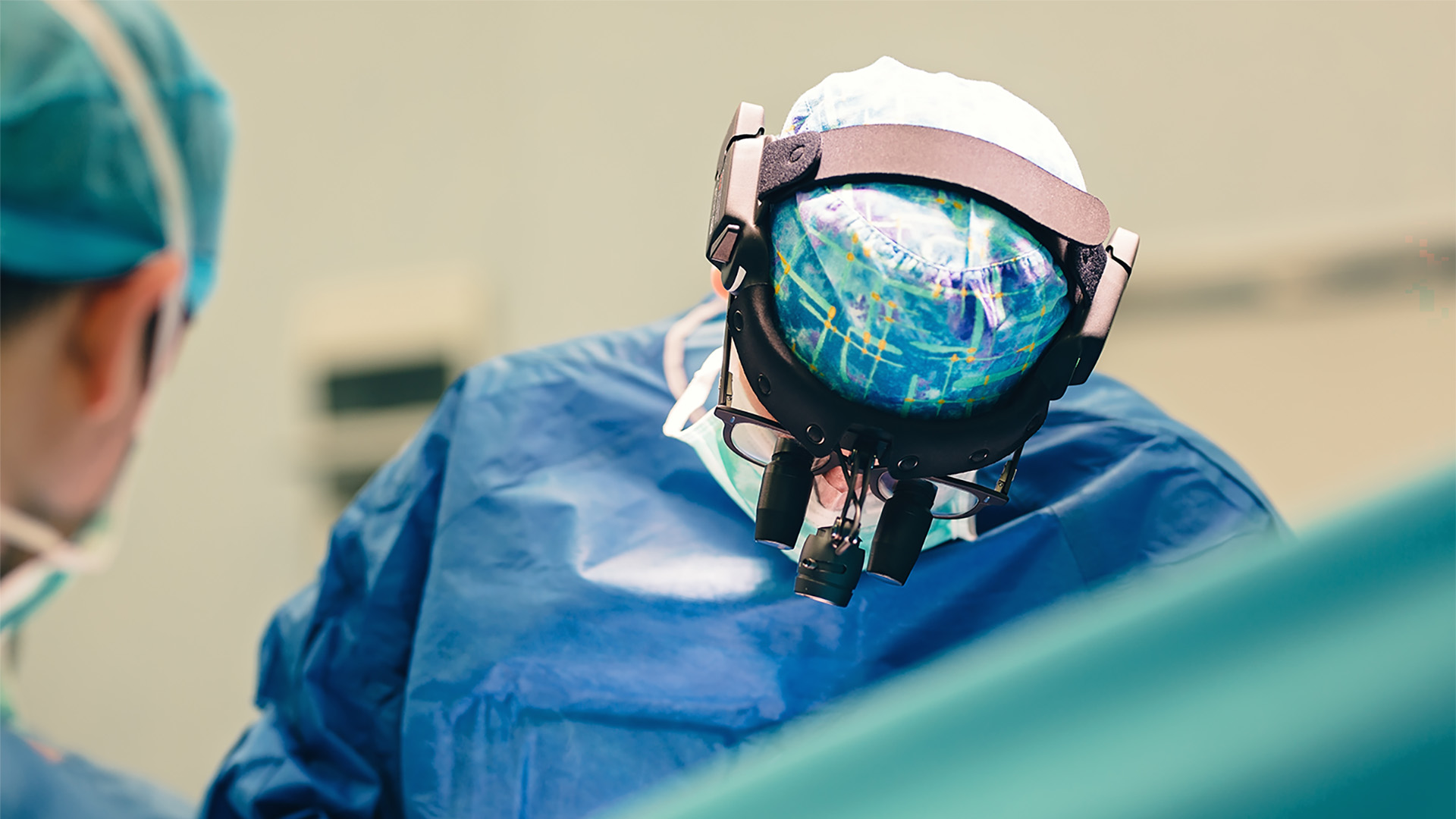
In this video, the authors present a case of anomalous origin of the right coronary artery from the pulmonary artery (ARCAPA) repaired via right axillary thoracotomy. A 5-month-old, 6 kg child with no prior medical history was admitted after an accidental echocardiography finding showed ARCAPA. Angiography was performed to assess the position and geometry of the right coronary artery draining into the pulmonary trunk. The patient had good biventricular function with no signs of ischemia and extensive collateralization between the left and right coronary systems.

The surgical approach chosen was a right lateral axillary thoracotomy (VRAT). The chest was entered through the fourth intercostal space. The initial steps included evaluating the coronary anatomy and dissection of the right coronary artery (RCA) adjacent to the pulmonary artery trunk. The origin of the RCA was just above the sinotubular junction.

The initial dissection was performed using diathermy with a fine-tip needle blade and blunt dissection with a right-angle clamp to develop the plane between the RCA and pulmonary trunk. Before initiating cardiopulmonary bypass (CPB), the surgeons attempted to fully mobilize part of the RCA that did not have an epicardial course. After mobilizing the initial part of the RCA, the ductus arteriosus was dissected and mobilized, triple-clipped, and divided. The authors’ general tendency is to double-clip the aortic side and single-clip the pulmonary artery side and divide it in between.

The site of the aortic purse-string was chosen at the most cranial area for aortic annulation to preserve the site for RCA reimplantation at the ascending aorta. CPB was established via direct aortic and bicaval cannulation. Before initiating bypass, the RCA was occluded, and the electrocardiogram (ECG) was evaluated for possible signs of ischemia. The superior vena cava (SVC) was cannulated with a right-angled, metal-tipped cannula, and the inferior vena cava (IVC) was cannulated with a straight cannula.

The area of cardioplegia cannula was carefully chosen to avoid interfering with the potential site of RCA reimplantation. Before administering cardioplegia, the RCA was occluded with a temporary clip to avoid cardioplegic solution run off into the pulmonary artery (PA). The PA was not cannulated separately because of the extensive collaterals between the left and right coronary systems.

The aorta was cross-clamped, and the heart was vented through the interatrial septum. The aorta was retracted dorsally with a stay suture, and harvesting of the coronary button was initiated with the incision using a fine ophthalmic blade at the most cranial part of the RCA ostium. It is important to initially incise the pulmonary artery wall and then visualize the osteal rim of the RCA to perform the consequent harvesting under direct visual control.

After excision of the RCA button, the RCA trunk was further mobilized from the pulmonary artery wall using precise sharp dissection with micro-scissors. Care was taken because there was no fatty or loose areolar tissue along the RCA course, and the plane between the RCA and the pulmonary artery wall was very intimate.

Upon reaching the epicardial course, great attention was paid to the minor coronary epicardial branches. These were divided with electrocautery to prevent further bleeding after reimplantation.

The zone of reimplantation of the coronary artery on the ascending aorta was carefully chosen in accordance with the coronary artery length and its geometry. Special attention was given to the beginning of the epicardial course because it is the site where potential kinking was mostly anticipated. The incision of the aortic wall was initiated with a fine ophthalmic blade and continued with micro-scissors. The coronary implantation was carried out with the running suture in a usual fashion. During the anastomosis, the coronary artery was occluded with the temporary vascular clip because the RCA backflow was expected to be copious. The pulmonary artery wall defect was reconstructed with the autologous pericardial patch. One can encounter copious blood return from the pulmonary artery, and considering the limited surgical field in the minimally invasive procedure, it is advised to occlude both pulmonary artery branches with the snares to facilitate reconstruction. The right atrium was closed in a standard fashion with a single-layer running suture.

The patient was successfully weaned from CPB and was extubated the following day. Postoperative echocardiography showed good biventricular function with no evidence of ischemia and a good flow through the reimplanted coronary artery. The cosmetic result was satisfactory.


Disclaimer

The information and views presented on CTSNet.org represent the views of the authors and contributors of the material and not of CTSNet. Please review our full disclaimer page here.


Add Comments Cancel reply

You must be logged in to post a comment.

Not a member yet? Register now.
Vimeo 1 views on Vimeo

CITATION

Yachnik O, Pylypets A. Repair of Anomalous Right Coronary Artery Origin From the Pulmonary Artery Via Vertical Right Axillary Thoracotomy. October 2026. doi:10.25373/ctsnet.34795740
DOI https://doi.org/10.25373/ctsnet.34795740
TAGS
  • Minimally Invasive Surgery
  • Pulmonary Artery
  • Thoracotomy

Related Content

Video

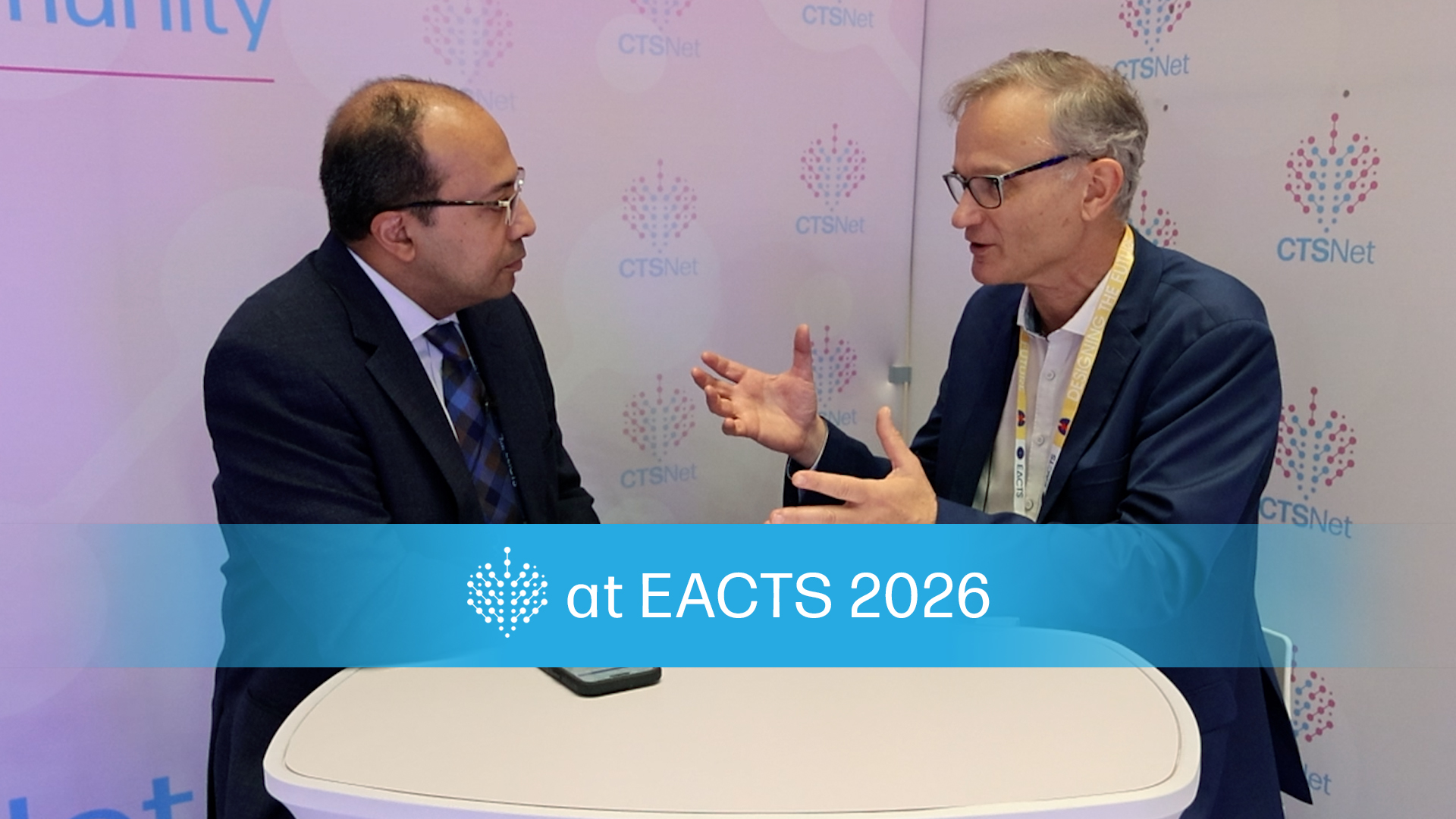
Transfusion-Free Cardiac Surgery in Neonates: An Interview With Joachim Photiadis

By: Sameh SaidGold ContributorSilver Commentor

Video

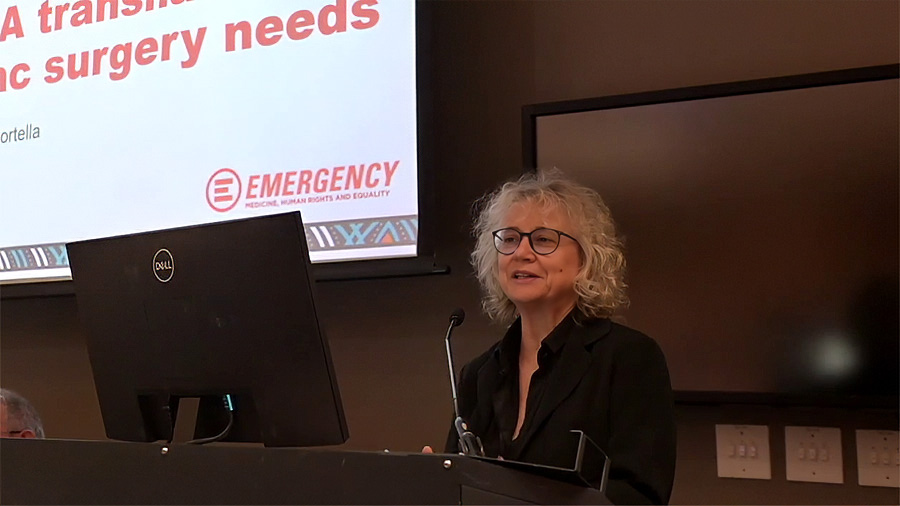
Title: In Africa for Africa Cardio-Thoracic Conference | The Salam Center and Yacoub Aswan Heart Center

By: Gina Portella

Video

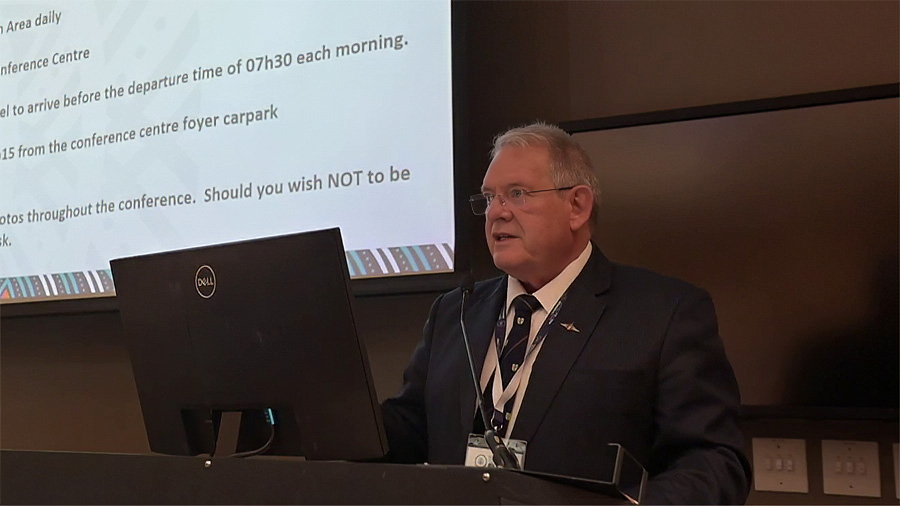
In Africa for Africa Cardio-Thoracic Conference | Needs Based Healthcare and The DNA of CSIA

By: Francis Smit

Video

Frozen Leaflets Phenomenon

By: Mikhail Latyshev

Video

Aortic Arch Reconstruction With Pulmonary Artery Tissue

By: Zineb El Hasnaoui

Video

Repair of a Retrosternal False Aneurysm After Previous Aortic Valve Replacement

By: Vincent GaudianiGold ContributorBronze Commentor

Video

Minimally Invasive VSD Repair Via Right Lateral Minithoracotomy

By: Caroline Ehrhart

Video

Hybrid Repair of a Complex Distal Arch and Left Subclavian Artery Aneurysm

By: Meriç Lal Bozkaya

Video

Robotic Approach as the Gold Standard for Immunotherapy Lung Resections

By: Alessandra Bennati

Podcast

The Beat With Joel Dunning Ep. 177: Expert Consensus Document on LVRS for Emphysema

By: Joel DunningGold ContributorSilver Commentor

233 S. Wacker Drive | Suite 4400
Chicago, Illinois 60606, USA

Linkedin X-twitter Facebook-f Youtube
  • Join CTSNet
  • Donate
  • Submit Content
  • Volunteer
  • Join CTSNet
  • Donate
  • Submit Content
  • Volunteer
  • Featured Partners
  • Careers
  • Press
  • Advertise on CTSNet
  • Featured Partners
  • Careers
  • Press
  • Advertise on CTSNet
  • CTSNet Policies
  • Privacy Policy
  • Disclaimer
  • Contact CTSNet
  • CTSNet Policies
  • Privacy Policy
  • Disclaimer
  • Contact CTSNet

233 S. Wacker Drive | Suite 4400
Chicago, Illinois 60606, USA

Instagram Linkedin X-twitter Facebook-f Youtube
  • Join CTSNet
  • Donate
  • Submit Content
  • Volunteer
  • Join CTSNet
  • Donate
  • Submit Content
  • Volunteer
  • Featured Partners
  • Careers
  • Press
  • Advertise on CTSNet
  • Featured Partners
  • Careers
  • Press
  • Advertise on CTSNet
  • CTSNet Policies
  • Privacy Policy
  • Disclaimer
  • Contact CTSNet
  • CTSNet Policies
  • Privacy Policy
  • Disclaimer
  • Contact CTSNet

233 S. Wacker Drive | Suite 4400
Chicago, Illinois 60606, USA

Instagram Linkedin X-twitter Facebook-f Youtube
  • Join CTSNet
  • Donate
  • Submit Content
  • Volunteer
  • CTSNet Policies
  • Privacy Policy
  • Join CTSNet
  • Donate
  • Submit Content
  • Volunteer
  • CTSNet Policies
  • Privacy Policy
  • Featured Partners
  • Careers
  • Press
  • Advertise on CTSNet
  • Disclaimer
  • Contact CTSNet
  • Featured Partners
  • Careers
  • Press
  • Advertise on CTSNet
  • Disclaimer
  • Contact CTSNet
  • Join CTSNet
  • Donate
  • Submit Content
  • Volunteer
  • Join CTSNet
  • Donate
  • Submit Content
  • Volunteer
  • Featured Partners
  • Careers
  • Press
  • Advertise on CTSNet
  • Featured Partners
  • Careers
  • Press
  • Advertise on CTSNet
  • CTSNet Policies
  • Privacy Policy
  • Disclaimer
  • Contact CTSNet
  • CTSNet Policies
  • Privacy Policy
  • Disclaimer
  • Contact CTSNet
© 2026 CTSNet Inc. All right reserved.
Go to Top