This video presents the case of a 67-year-old man with situs inversus totalis who underwent a robotic-assisted right upper lobe segmentectomy, specifically a culminectomy, for the treatment of lung cancer. The patient had a significant oncological history, having previously been treated in 2014 for a pulmonary squamous cell carcinoma (pT1bN1) with a left middle lobectomy followed by adjuvant chemotherapy and radiotherapy. His medical history also included arterial hypertension and psoriatic arthritis. He was a former smoker with an estimated 20 pack-years of smoking history and lived independently.
During routine oncological follow-up, a pulmonary nodule was detected in the right upper lobe. Serial imaging demonstrated progressive growth from 14 to 20 mm. Positron emission tomography/computed tomography (PET-CT) revealed hypermetabolic activity with a maximum standardized uptake value (SUV) of 3.57, raising suspicion of malignancy. CT imaging identified the lesion as a ground-glass opacity located in the apical segment of the right upper lobe, corresponding to the culmen in this patient. No lymph node involvement or distant metastases were identified, and brain imaging was normal.
Preoperative assessment showed satisfactory pulmonary function, with a forced expiratory volume in one second (FEV1) of 79 percent predicted and a diffusing capacity for carbon monoxide (DLCO) of 73 percent. Bronchoscopy was normal. Following a multidisciplinary discussion, surgical management was recommended.
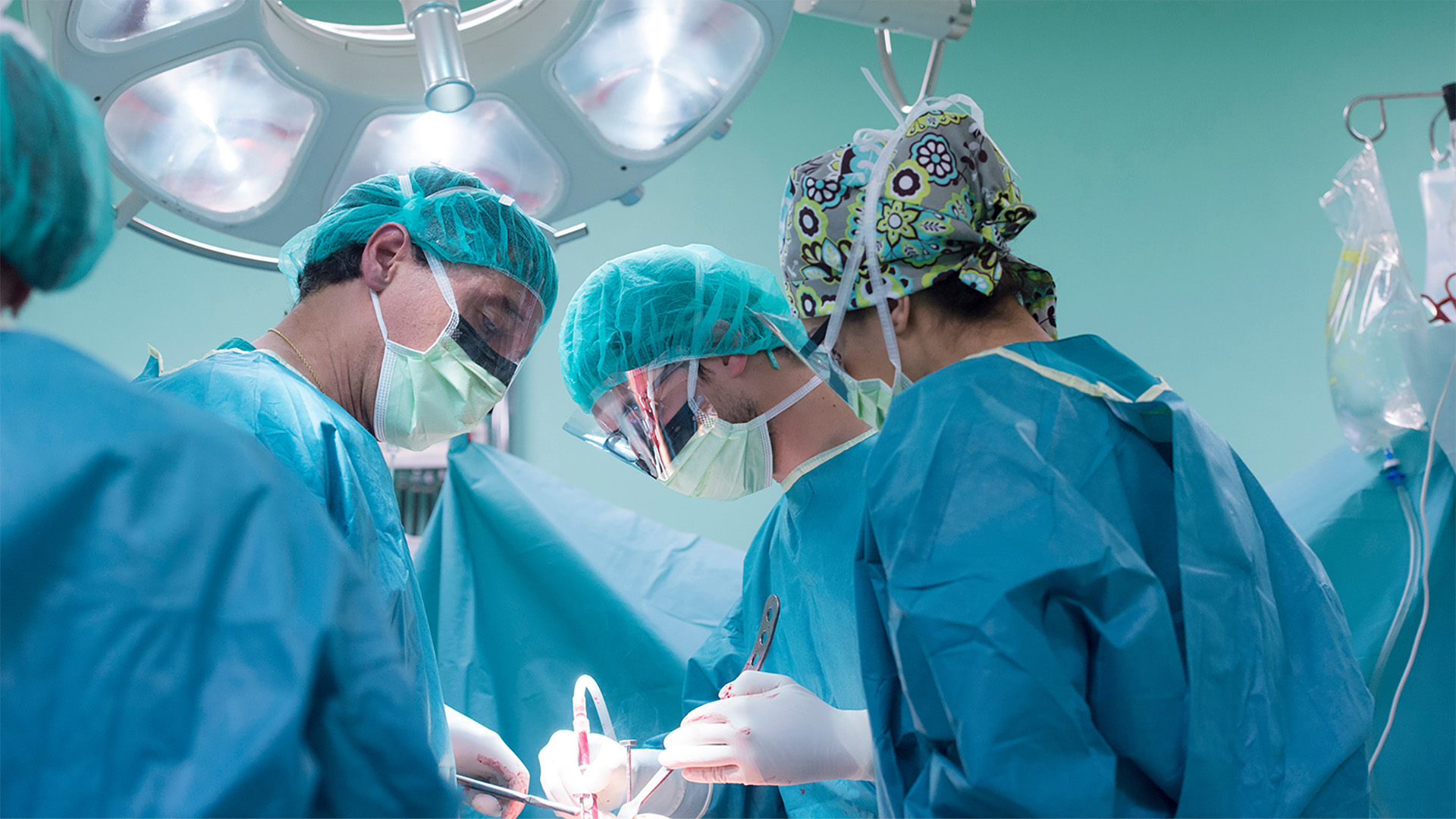
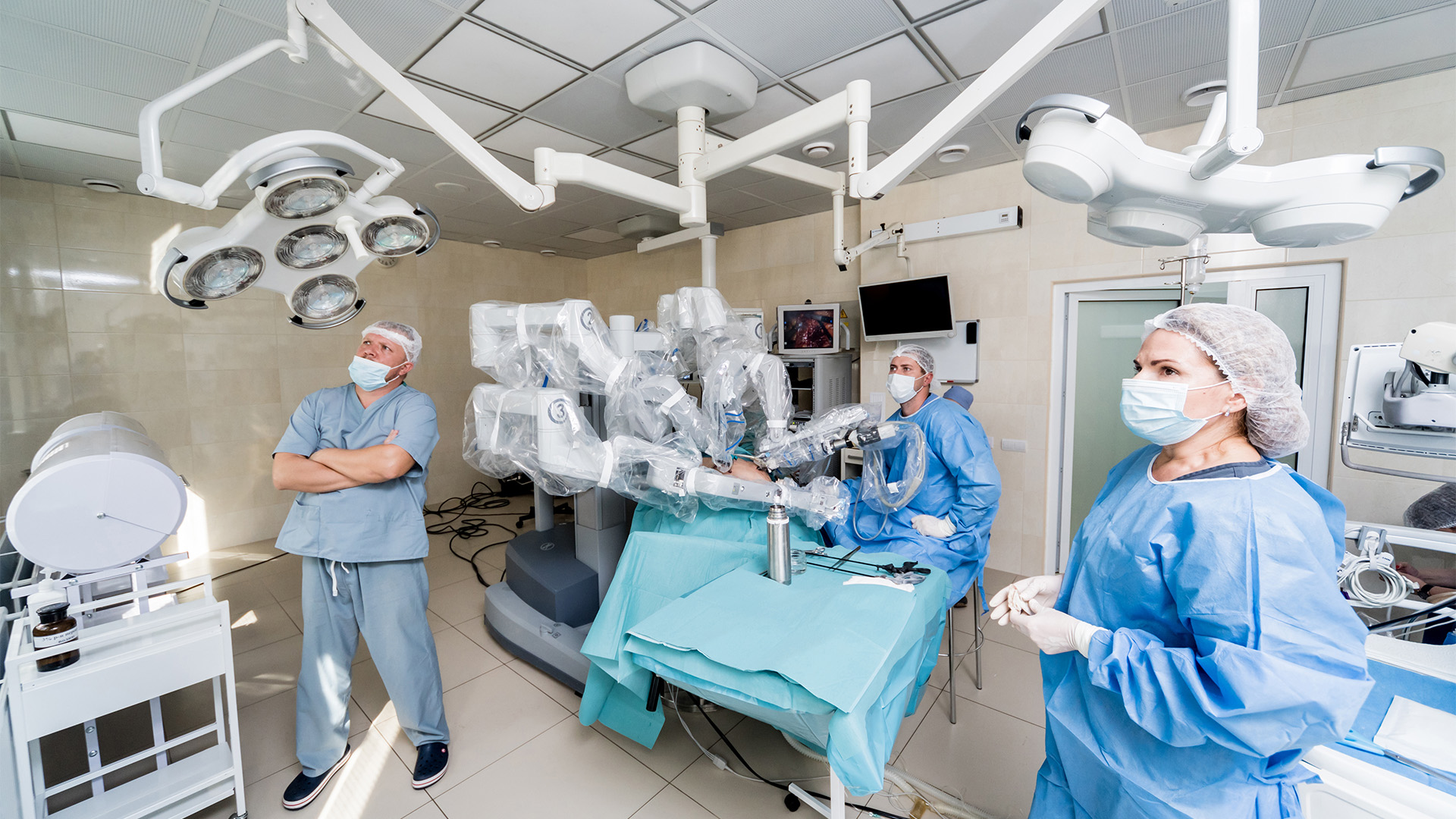
The procedure was performed using a robotic-assisted approach. Initial exploration confirmed the presence of the lesion in the apical part of the upper lobe.
A wedge resection was initially performed, and frozen section analysis confirmed adenocarcinoma, prompting completion of a robotic-assisted culminectomy with systematic lymph node dissection. The operation required careful adaptation to the mirror-image anatomy, particularly during hilar and mediastinal dissection, with attention to bronchovascular structures. Indocyanine green fluorescence was used to delineate the intersegmental plane, allowing precise anatomical resection.
Postoperative recovery was uneventful. The chest tube was removed on postoperative day three, and the patient was discharged home on day four with good functional recovery. Final pathology confirmed a 0.7 cm pulmonary adenocarcinoma with visceral pleural invasion, staged pT2aN0, with complete (R0) resection. A surveillance strategy was adopted, and early follow-up was satisfactory.
Disclaimer
The information and views presented on CTSNet.org represent the views of the authors and contributors of the material and not of CTSNet. Please review our full disclaimer page here.
 148 views on Vimeo
 500 views