



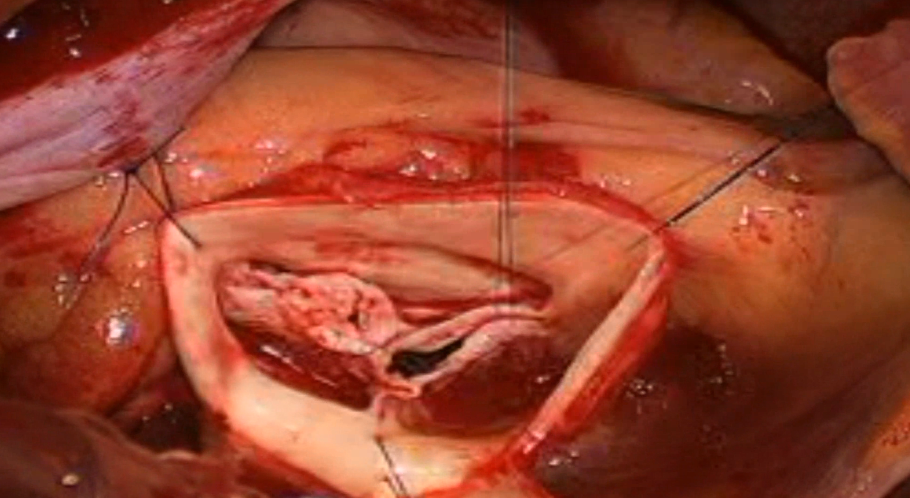

Anomalous aortic origin of the coronary artery (AAOCA) is a condition that represents between 0.1–1 percent of malformations (1). It has been found with a prevalence of 0.44 percent in the young population (2). It...
Introduction Aortic valve repair is emerging as a beneficial alternative to aortic valve replacement in the treatment of aortic regurgitation, offering young patients the possibility to eliminate the risks of...
The authors present an aortic valve repair performed for a 34-year-old man with a history of tobacco use and hypertension. He was admitted to the authors’ institution with a diagnosis...
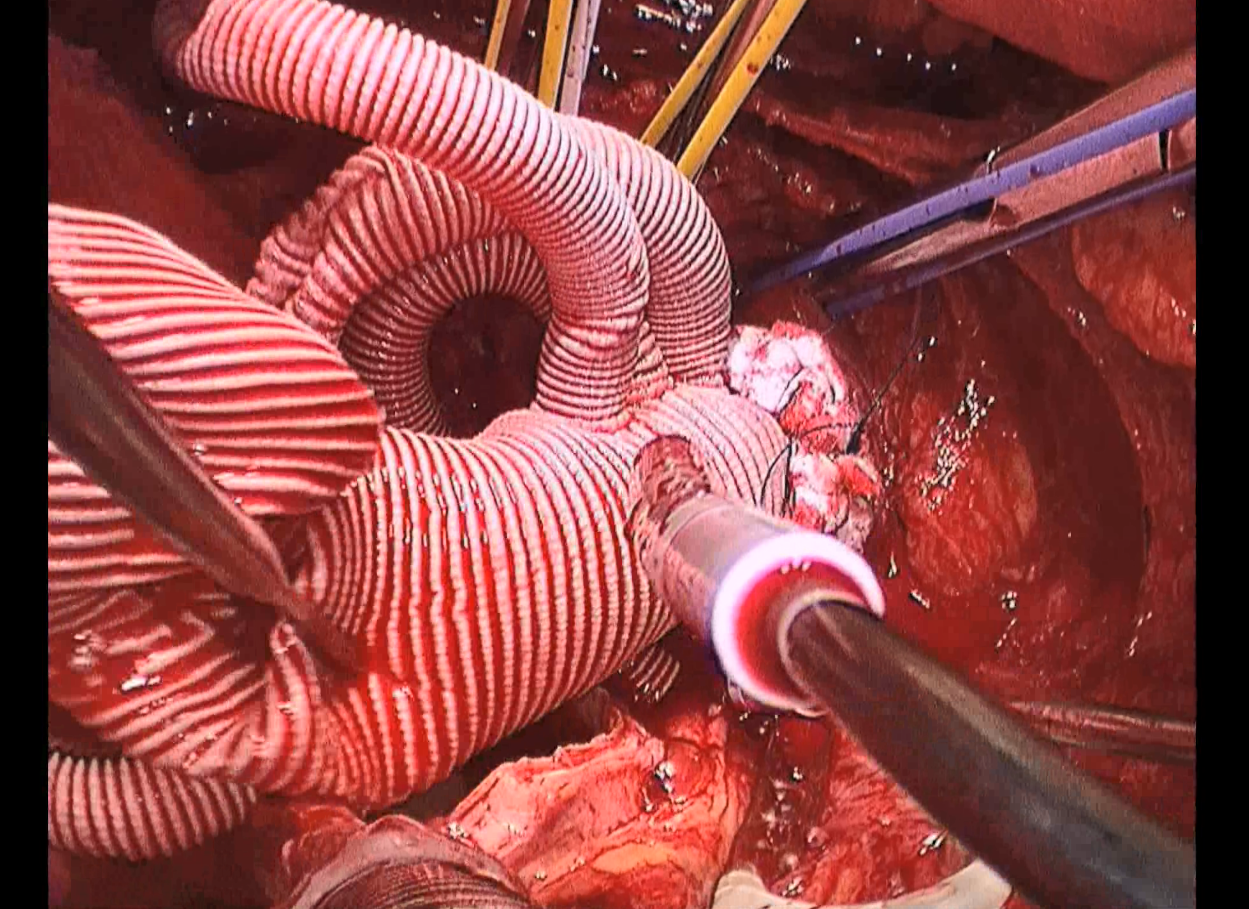
In this video, the authors show a two-stage hybrid treatment strategy for DeBakey type I aortic dissection. The patient was a 70-year-old man who arrived from another institution with a...
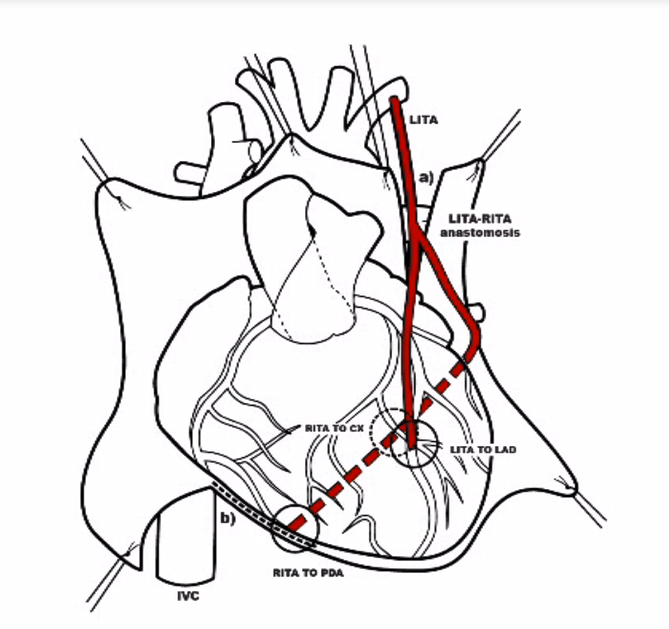
The use of both internal thoracic arteries (ITAs) has been shown to provide a decreased risk of death, need for reoperation, or need for percutaneous coronary intervention when compared with...
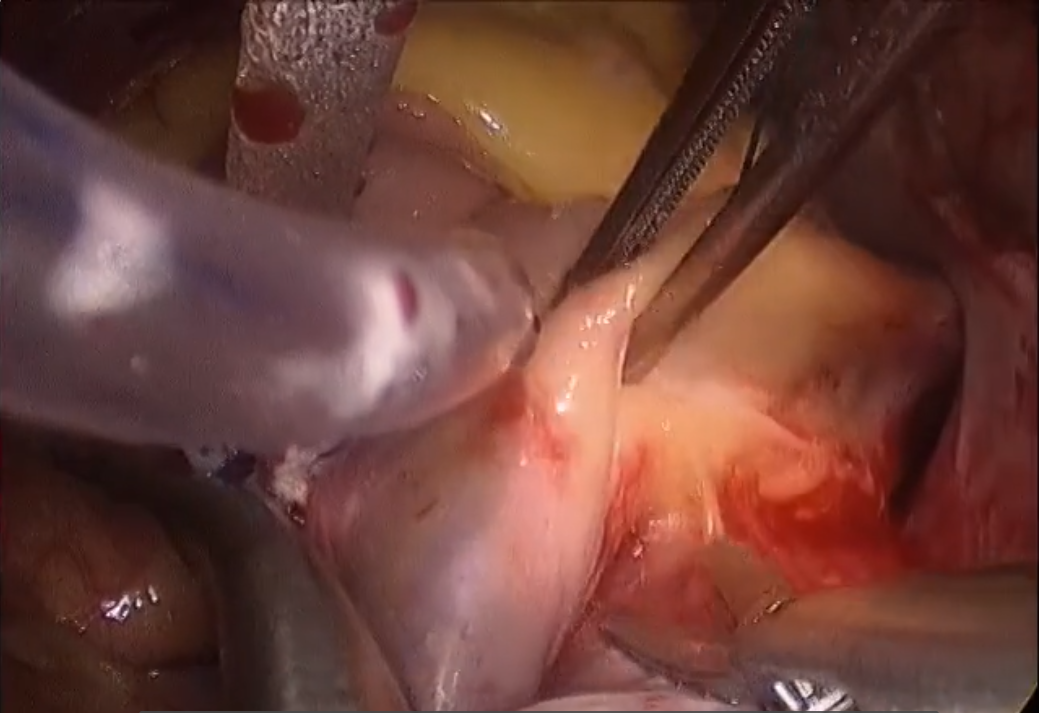
The patient was a 35-year-old woman. She had a cardiovascular history of obesity and an ischemic stroke with a right brachiocrural focus and expressive aphasia in 2012-2013. She continues to...
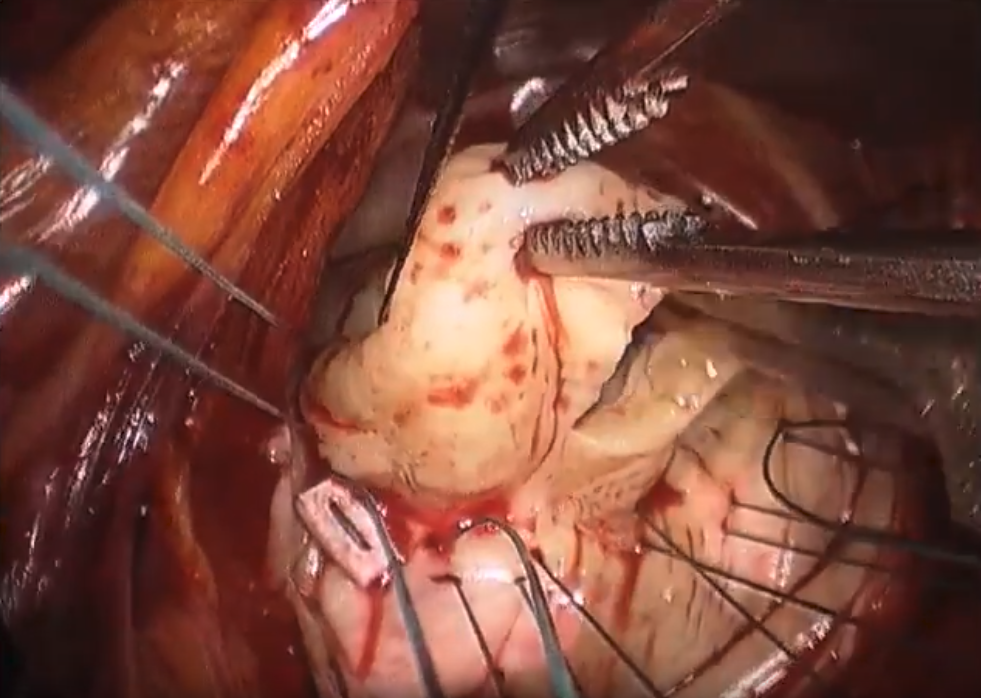
Mitral valve repair is shown to have better survival, better preservation of ventricular function, and decreased thromboembolic complications compared to mitral valve replacement for mitral regurgitation (1-2). The Cardiovascular Institute...
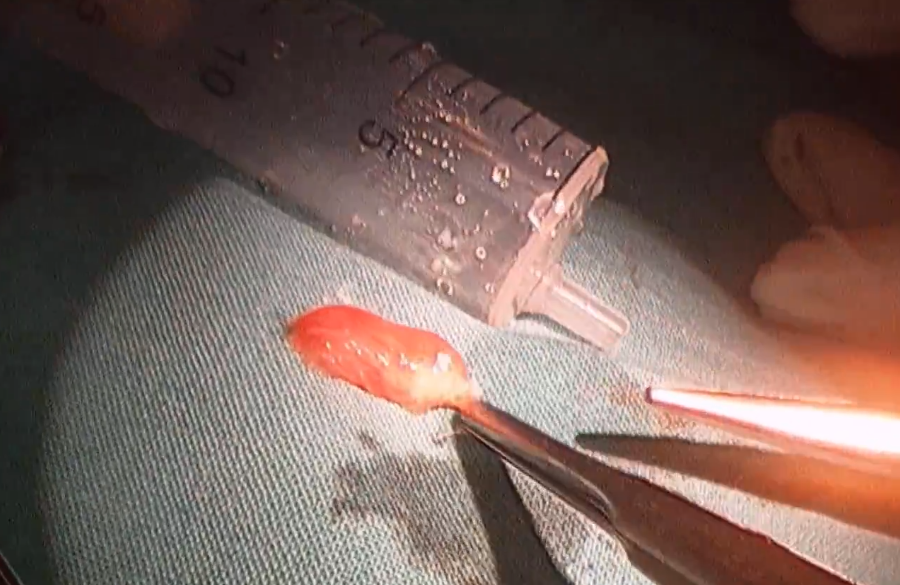
This video demonstrates the resection of a fibroelastoma in the left ventricular outflow tract using a minimally invasive approach. The 83-year-old female patient was asymptomatic. Her cardiovascular history included a...