

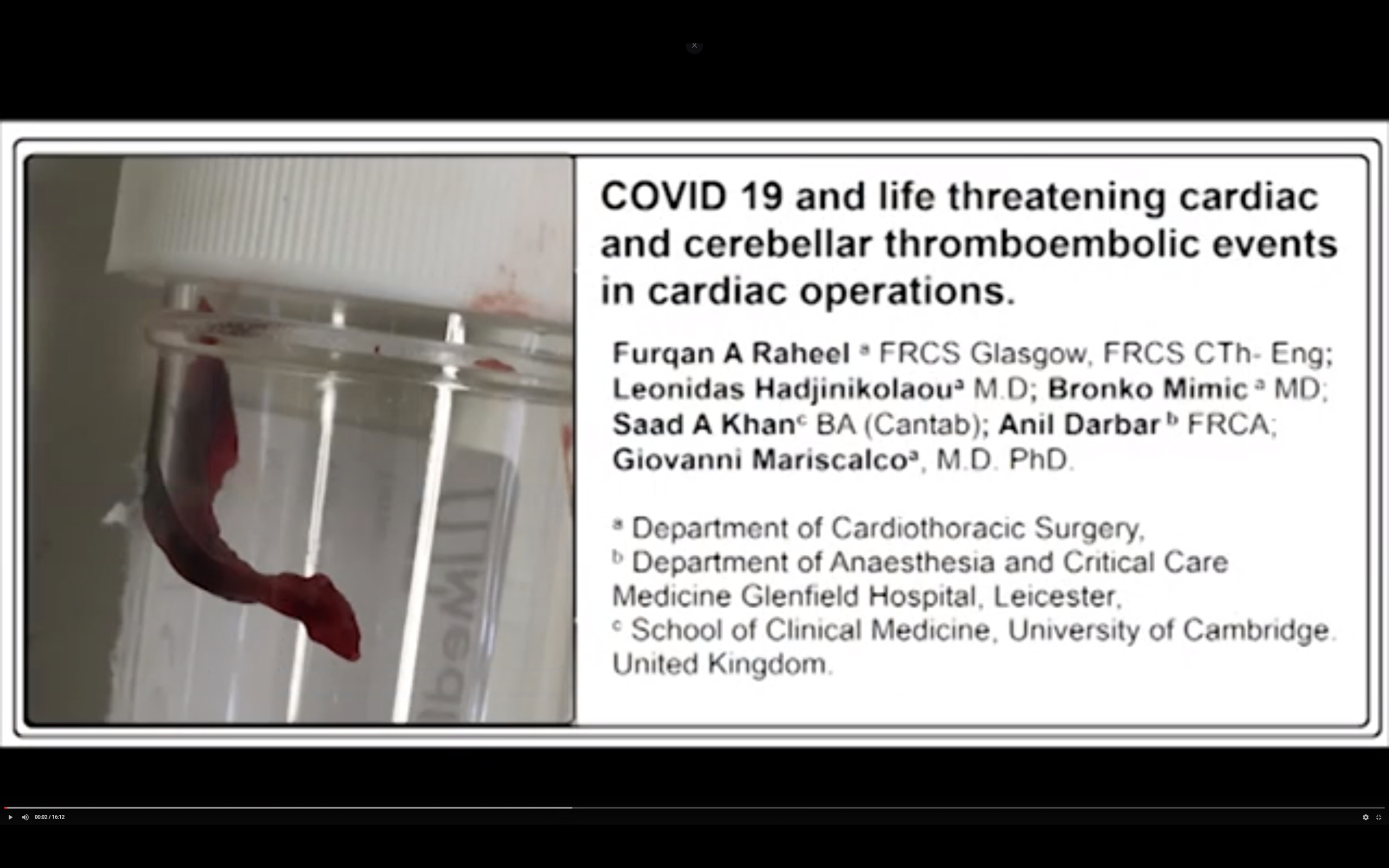
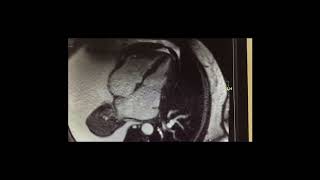
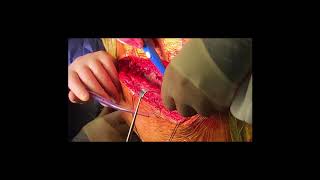
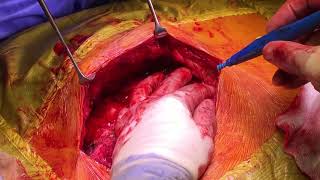
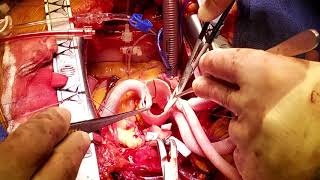

There are several reported cases that have showed that COVID-19 is a highly thrombogenic disease. The release of cytokines during cardiopulmonary bypass plus COVID 19 related thrombogenic factors can trigger life-threatening thromboembolic events as we...
Patient Selection Constrictive pericarditis results from a stiff pericardium that prevents adequate diastolic filling and can cause diastolic heart failure. The normal thickness of the pericardial is found in up...
Patient Selection The standard method of treatment for an ascending aorta aneurysm is replacement with the Dacron tube graft. However, some surgeons use alternative techniques in selected cases for dilated...
Introduction Since Shoemaker first performed midline sternotomy in an elective cardiac operation in 1953, midline sternotomy has become the most common approach for most cardiac surgical operations, as this is...
The first aortic arch surgery was performed in 1957 as a resection of fusiform aneurysm of aortic arch with replacement by homograft (1). However, during the last 63 years, there...
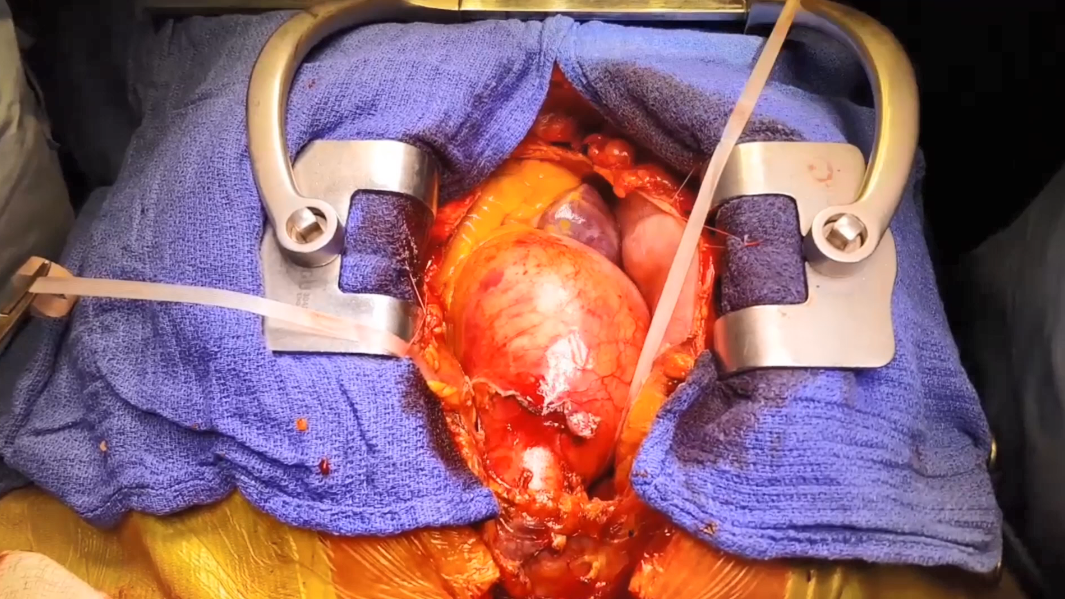
De Bakey and Cooley, in 1956, first replaced an ascending aneurysm with the aid of cardiopulmonary bypass. Since then, several methods evolved for the surgical repair of the aortic root...
Introduction The most recent ACC/AHA guidelines (1) suggest that asymptomatic patients with degenerative thoracic aneurysm who are otherwise suitable candidates, and for whom the ascending aorta or aortic sinus diameter...
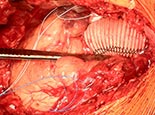
A Dacron sleeve around the dilated ascending aorta is a simple technique that allows the ascending aorta to adopt the shape of the Dacron tube graft which avoids wrinkle formation,...