


G. Jett
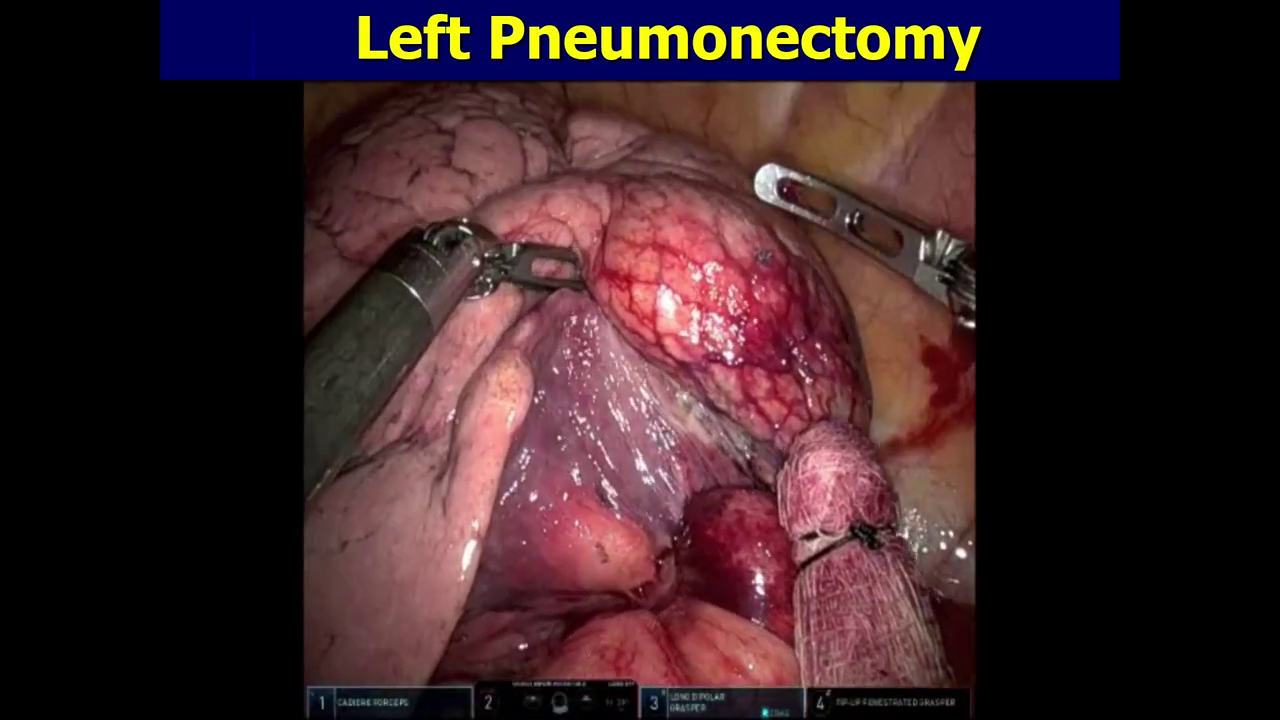
Neoadjuvant chemoimmunotherapy has emerged as a treatment option for advanced lung cancer (1). There has been concern about the technical difficulty of pulmonary resection due to inflammatory changes in vascular structures, loss of tissue planes,...

Lung sparing bronchial sleeve resection was first described by Paulson and Shaw in 1955 (1). Resection of the left mainstem bronchus (LMSB) is challenging due to its location adjacent to...

Constrictive pericarditis results from chronic fibrous thickening, and occasionally calcified adherence of the pericardium. The inelastic constriction of the pericardium impairs ventricular filling, resulting in increased filling pressures and decreased...

Substernal goiter is a challenging disease. Surgical treatment is the standard based on symptoms, or for the risk of occult malignancy and the natural history of progressive enlargement (1). Resection...

The treatment of superior sulcus tumors (Pancoast tumors) has evolved over the past seventy years. Initial treatment was resection followed by irradiation (1). Now, the established trimodal treatment popularized by...

Pneumonectomy is occasionally required for pulmonary resection but is associated with increased incidence of morbidity and mortality (1). Recent reviews have compared minimally invasive surgery (VATS) to thoracotomy (2,3). A...
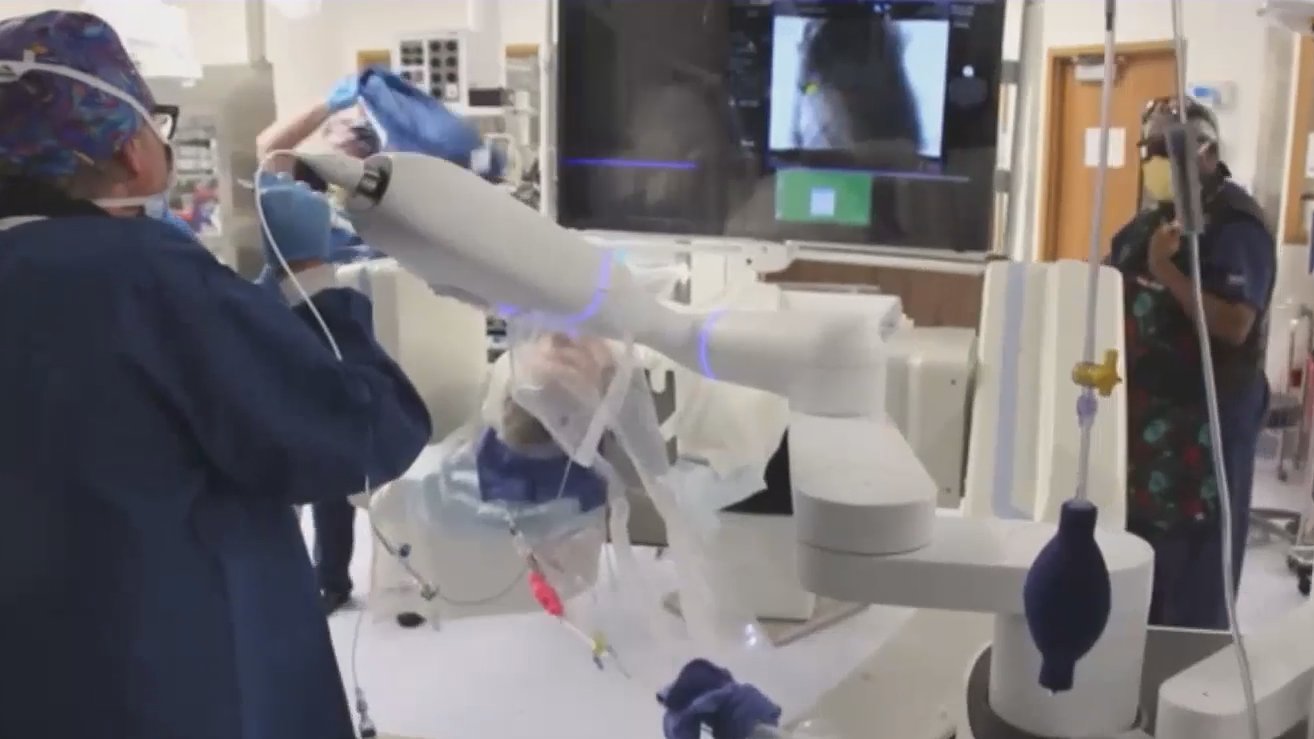
Low-dose CT chest screening for patients at high risk for lung cancer has increased the detection of small peripheral nodules (1), but traditional bronchoscopy limits the ability to biopsy these...
Morgagni hernia is a rare congenital diaphragmatic hernia comprising 2.6% of all diaphragmatic hernias (1). It is a defect between the costal and sternal attachments of the diaphragm muscle anteriorly...
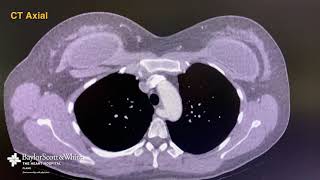
Aberrant right subclavian artery (ARSA) is a rare anomaly but is the most common congenital abnormality of the aortic arch with an incidence of 0.3-3.0% (1, 2). The vessel embryologically...
Pulmonary sequestration is a rare lung malformation comprising 0.15-6.4% of all congenital pulmonary malformations (1). The anomalous lung segment has systemic arterial supply, various forms of venous drainage and no...
The celiac axis is the first branch of the abdominal aorta and is the source of arterial supply for the entire foregut. Compression of the proximal celiac artery by the...
Atrial fibrillation is the most common cardiac arrhythmia, affecting more than 33 million individuals worldwide (1). Anticoagulation is frequently needed to decrease the risk of stroke, but nearly 20-40% of...
Transmyocardial laser revascularization (TMR) is a US FDA-approved intervention utilizing a laser device intended to treat ischemic myocardium. TMR was approved by the FDA in 1998 to treat moderate to...