


Nestor Clusa

Valve-sparing aortic root replacement (VSRR) techniques have transformed the treatment of aortic root and aortic valve disease, providing an important alternative to conventional aortic valve replacement. A paradigm shift toward the preservation of the native...

Aorto-atrial fistulas are rare anatomical anomalies that can arise from various etiologies, with endocardial infections being the most common cause in adults. Their true impact on the population is unknown....

Ebstein’s anomaly is a rare congenital heart malformation that accounts for about 0.5 percent of all congenital heart defects. It is characterized by downward displacement of the septal and inferior...
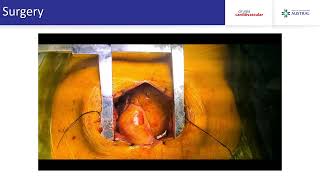
Dextrocardia is a congenital cardiac anomaly in which the base-apex cardiac axis points to the right and may be associated to situs solitus, situs inversus, or situs ambiguous. In cases...
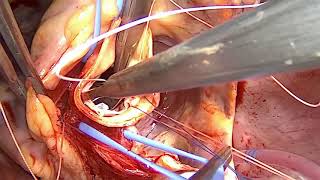
Introduction Aortic valve repair is emerging as a beneficial alternative to aortic valve replacement in the treatment of aortic regurgitation, offering young patients the possibility to eliminate the risks of...

 …
…Jessica Luc, a resident editor of CTSNet and a cardiovascular surgery resident at the University of British Columbia, Vancouver, Canada, hosts an informative roundtable with past winners of the CTSNet...


 …
…CTSNet is excited to announce that “Hybrid Aortic Type I Dissection Repair” by Nestor Manuel Clusa has won first place in the 2018 Resident Video Competition. Dr Clusa is a...
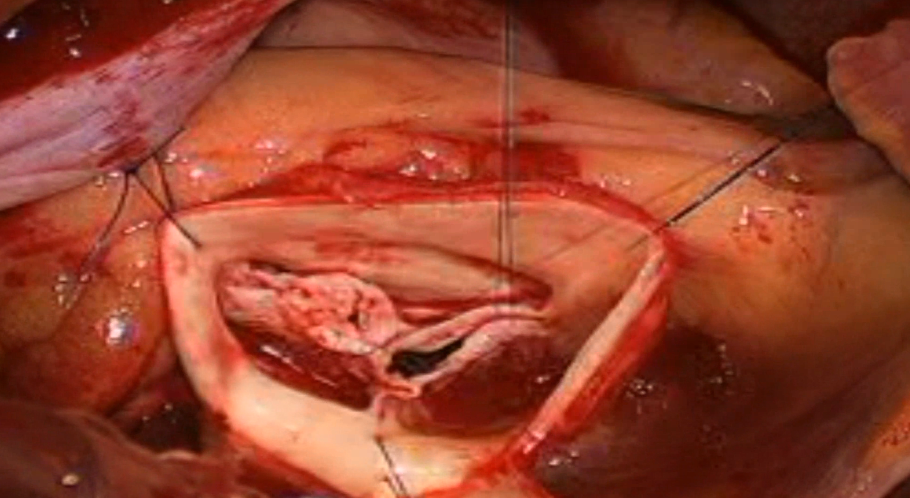
The authors present an aortic valve repair performed for a 34-year-old man with a history of tobacco use and hypertension. He was admitted to the authors’ institution with a diagnosis...
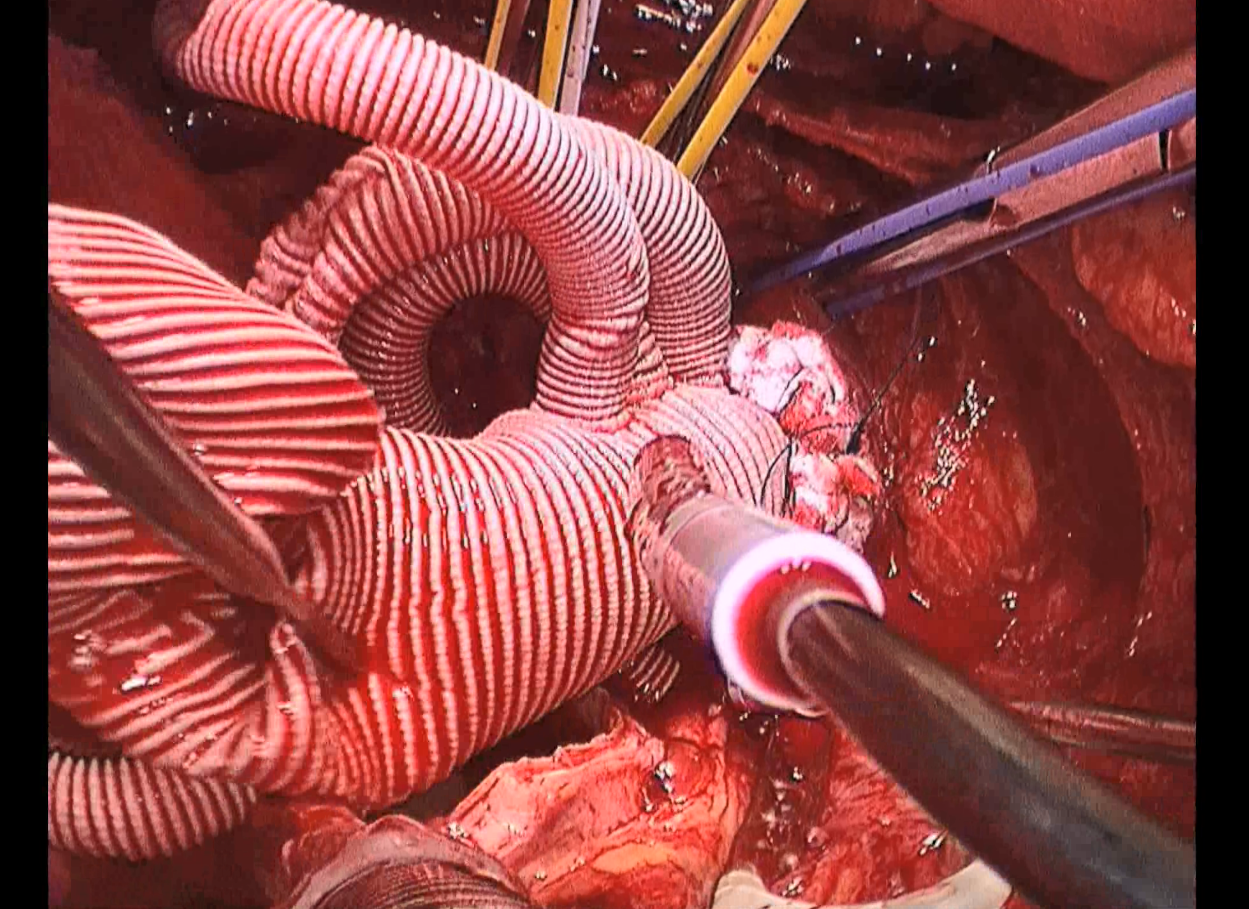
In this video, the authors show a two-stage hybrid treatment strategy for DeBakey type I aortic dissection. The patient was a 70-year-old man who arrived from another institution with a...
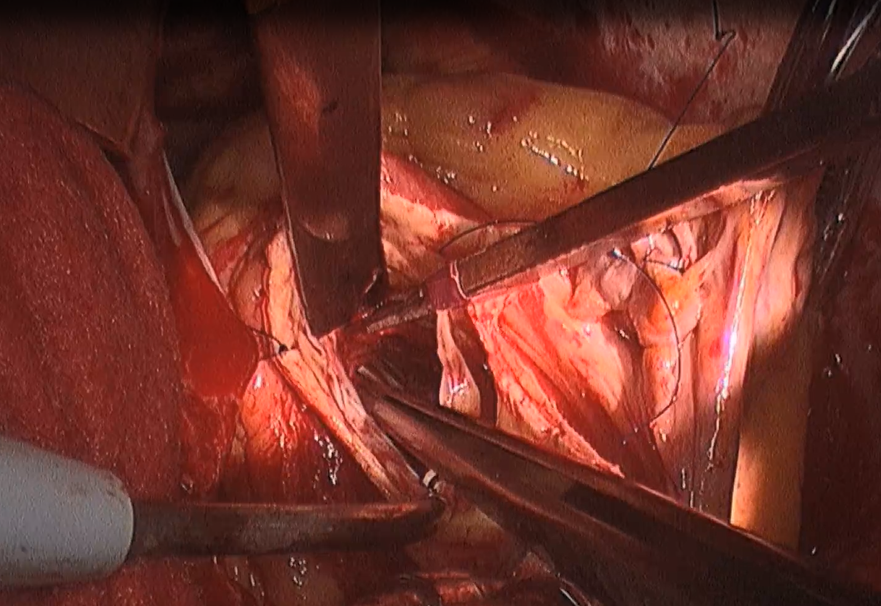
The patient was a 61-year-old man with hypertrophic obstructive cardiomyopathy with severe heart failure symptoms (New York Heart Association functional class III). His cardiovascular history included dyslipidemia, smoking, and the...
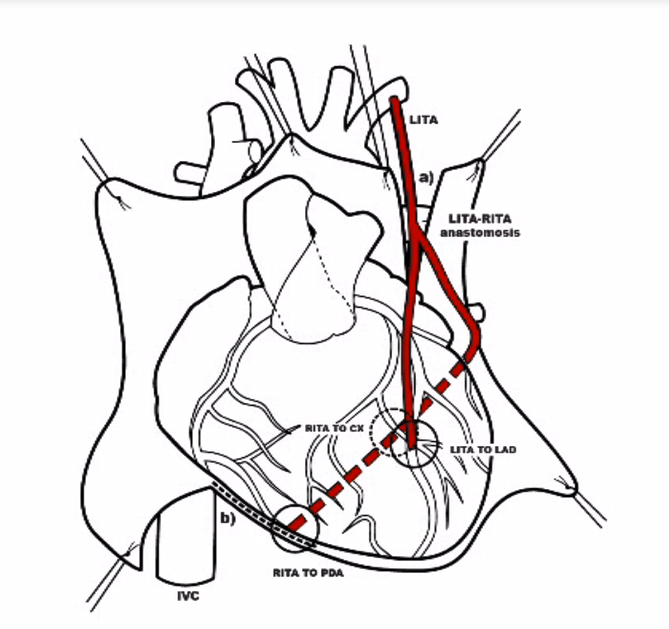
The use of both internal thoracic arteries (ITAs) has been shown to provide a decreased risk of death, need for reoperation, or need for percutaneous coronary intervention when compared with...
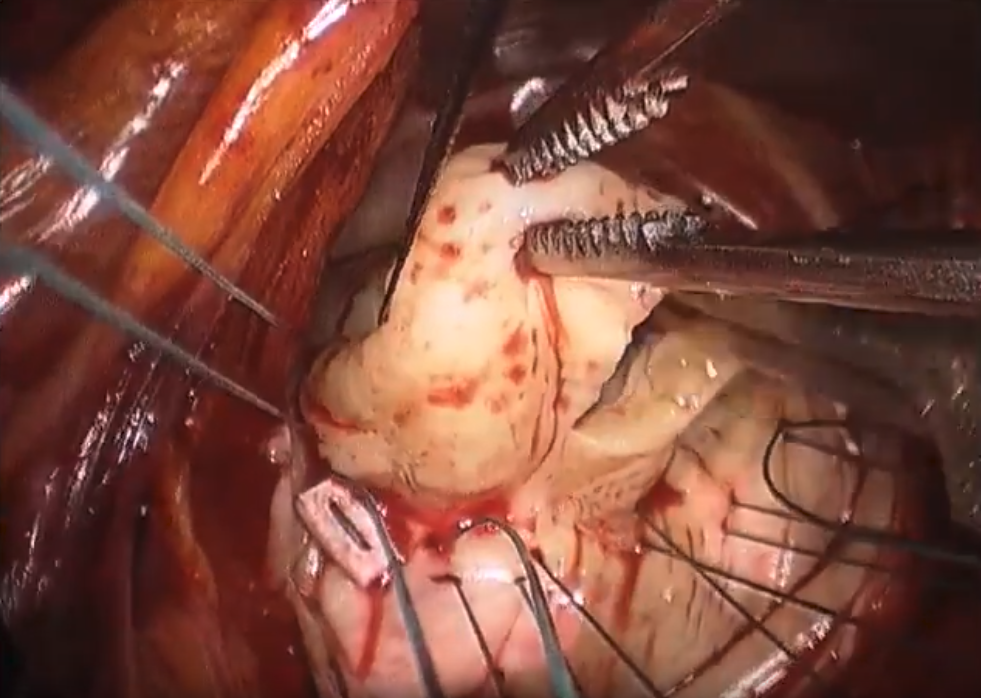
Mitral valve repair is shown to have better survival, better preservation of ventricular function, and decreased thromboembolic complications compared to mitral valve replacement for mitral regurgitation (1-2). The Cardiovascular Institute...
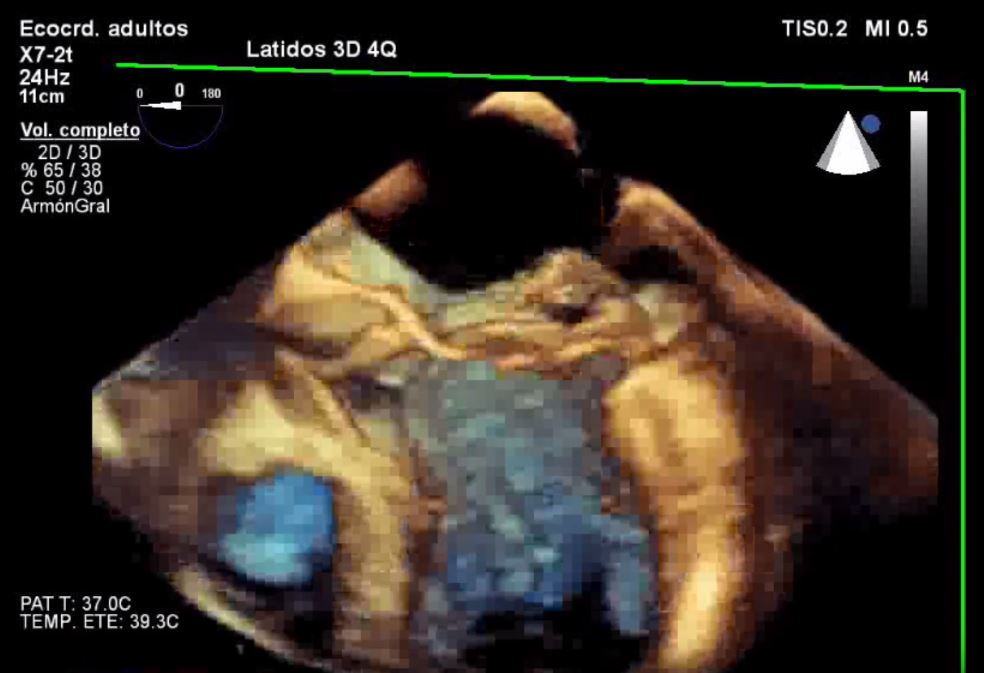
This the case of a 55-year-old male with no record of previous disease or cardiovascular risk factors. At the time of surgery the patient was asymptomatic. TEE showed severe mitral...