


Vishal Shah
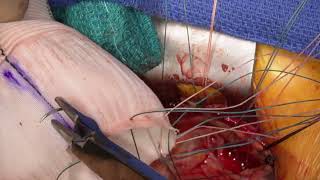
The David procedure with an upper hemisternotomy approach is feasible and provides an excellent outcome, particularly in young patients. In this case, a preoperative chest CT showed aortic root dilatation measuring 5.8cm. An echocardiogram demonstrated...
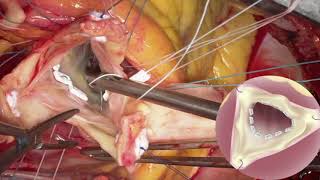
A 45-year-old male hypertension presented with severe chest and back pain. Computed tomography (CT) scan revealed a type A aortic dissection extending into the abdominal aorta. Intraoperative transesophageal echocardiogram demonstrated...
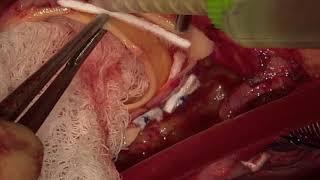
A 53-year-old man with a history of hypertension and coronary artery disease, status postcoronary artery bypass grafting x3 with left internal mammary artery (LIMA) to left anterior descending artery, saphenous...
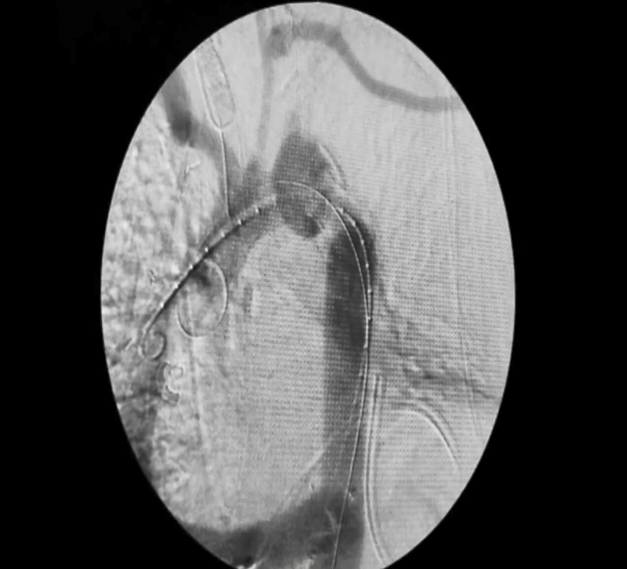
The authors present a combined open and endovascular approach to a descending aortic pseudoaneurysm with iatrogenic coarctation. A 64-year-old man was found to have a pseudoaneurysm associated with coarctation at...
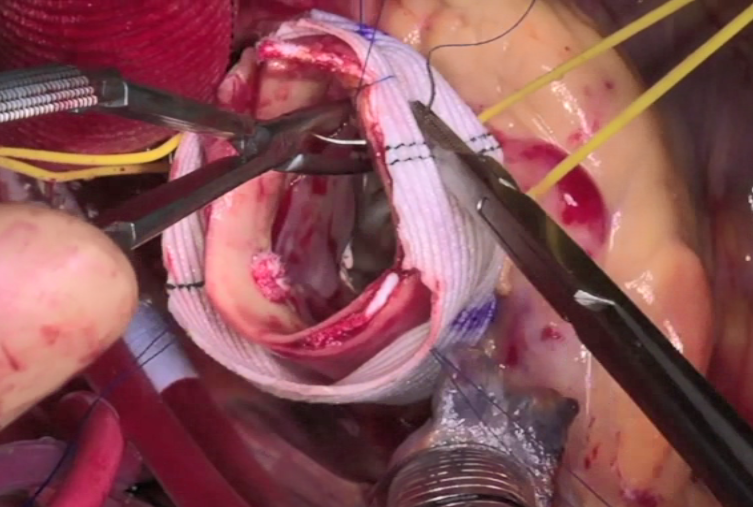
IntroductionA 56-year-old man status post repair of a descending thoracic aortic aneurysm after type B aortic dissection presented with acute type A dissection. The patient had a long history of...
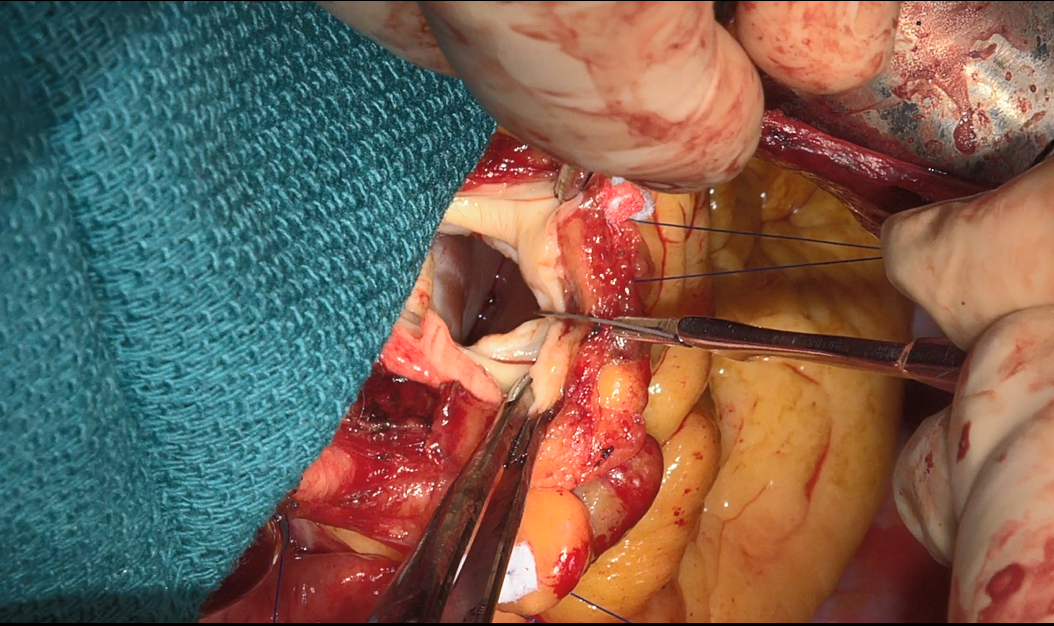
Introduction Primary ovarian carcinoid tumors account for less than 0.5% of all carcinoid tumors [1]. Patients with primary ovarian carcinoid tumors may develop carcinoid heart disease by release of bioactive...
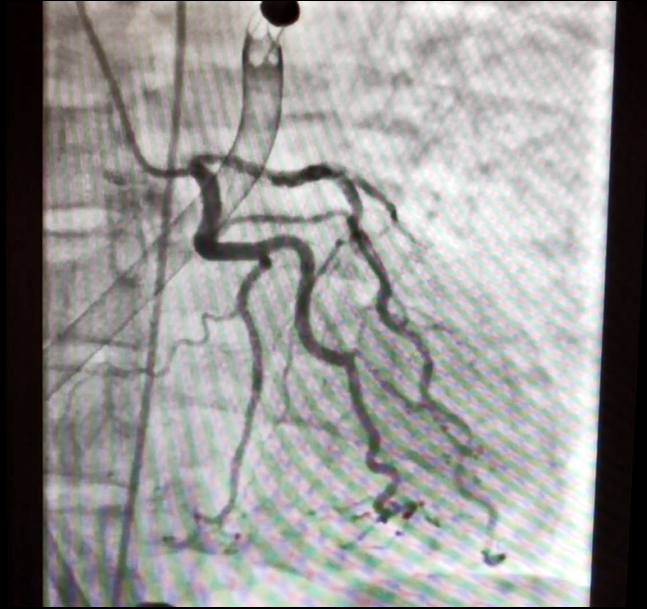
IntroductionChronic thromboembolic pulmonary hypertension (CTEPH) occurs in less than 3.8% of pulmonary embolism (PE) cases. It results from concomitant pulmonary vascular obstruction and small-vessel fibrointimal hyperplasia, which leads to elevated...
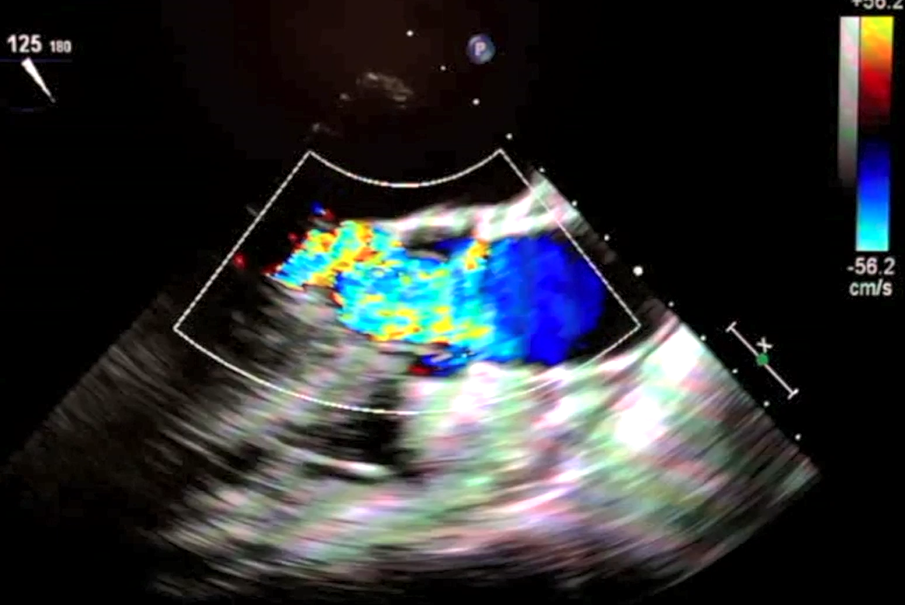
Introduction Complex long-segment septal hypertrophy consists of both hypertrophic subaortic stenosis and midventricular obstruction [1-3]. Untreated midventricular obstruction leads to recurrent symptoms and reduced survival [1, 2]. A combined transaortic...
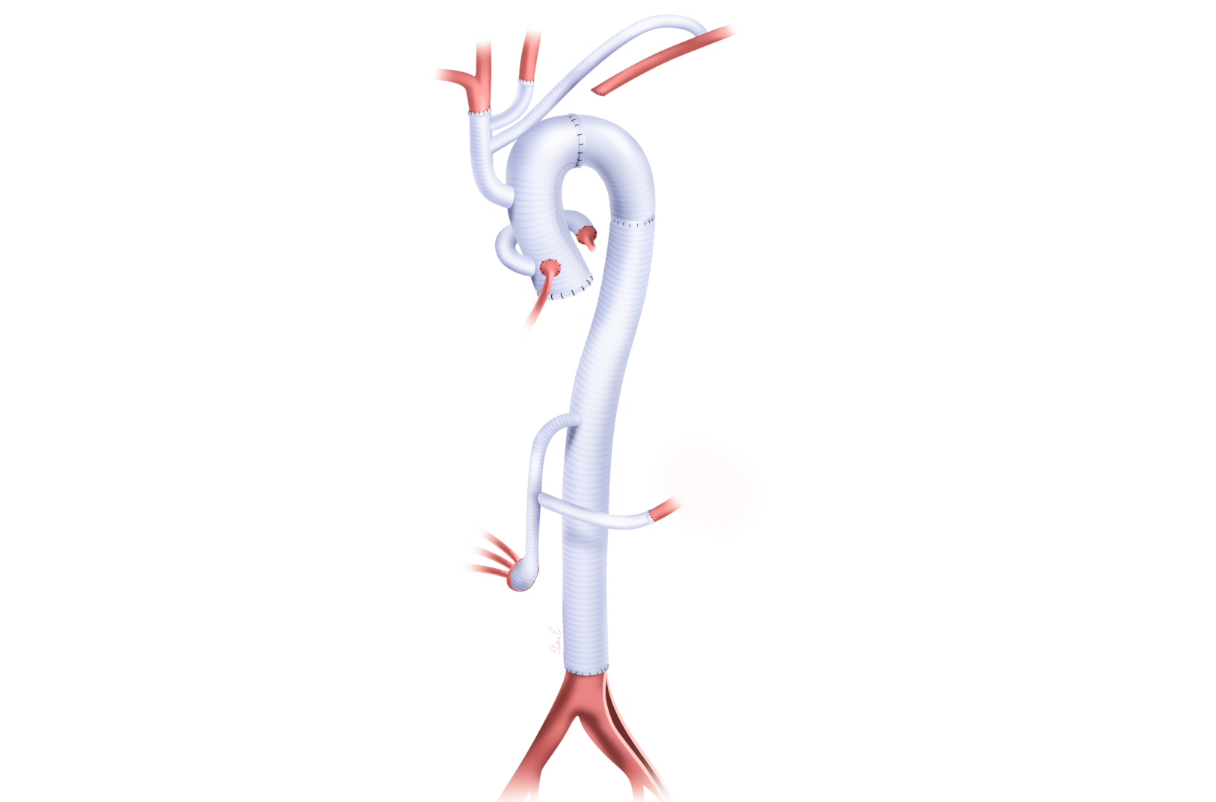
A 65-year-old man, who had a previous type A aortic dissection in 2011, developed a pseudoaneurysm at the proximal and distal aortic anastomoses of this prior ascending aortic repair. At...
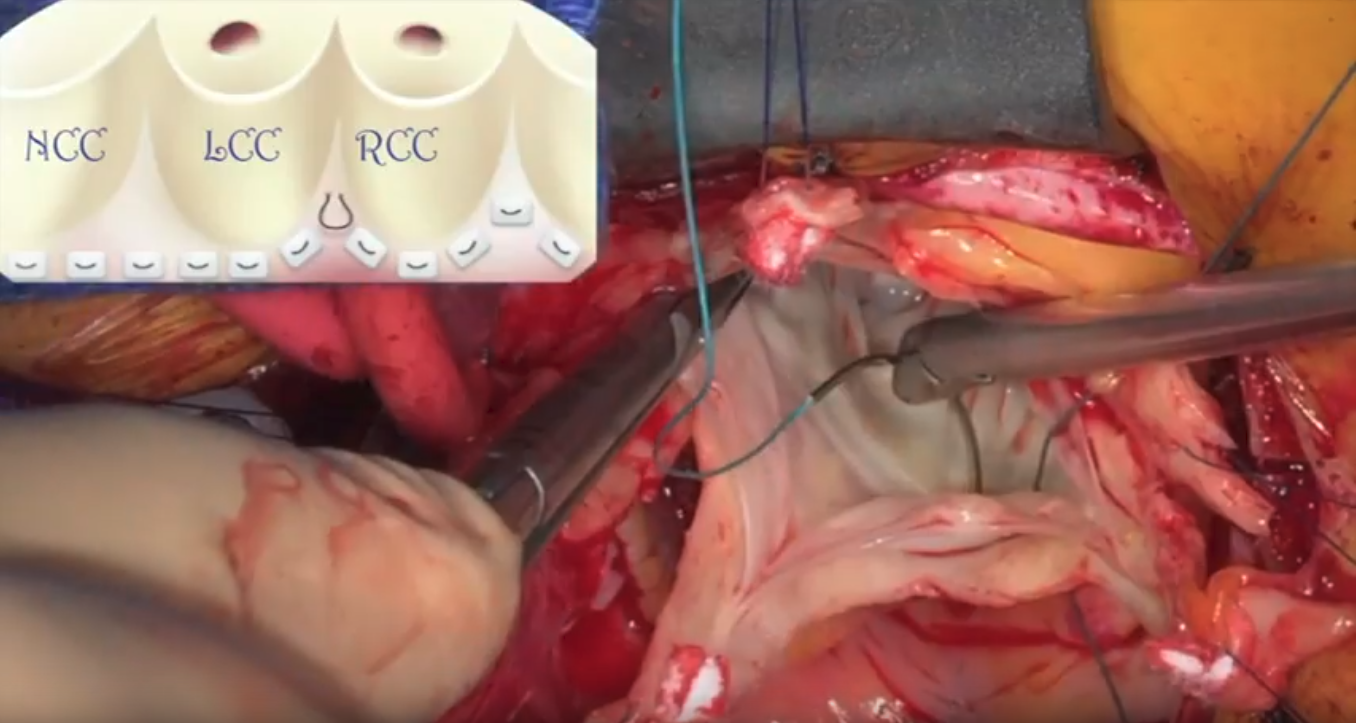
Minimally invasive valve sparing aortic root replacement in a patient with Marfan syndrome is feasible and provides an excellent outcome in a young patient. Preoperative computed tomography of the chest...