


Mechanical Circulatory Assistance

This expert review presents 10 guiding principles for postcardiotomy cardiogenic shock (PCCS), framing PCCS as a time-dependent trajectory and emphasizing early recognition, phenotype-driven temporary mechanical circulatory support, ventricular unloading, correction of reversible causes, and forward...
 …
In this episode of the CTSNet podcast, The Lifeline, host and nurse educator Jill Ley, Clinical Professor at the University of California San Francisco School of Nursing, Founder of the...

In this analysis of the Cardiogenic Shock Working Group registry, 1,502 of 11,386 patients with cardiogenic shock received venoarterial extracorporeal membrane oxygenation (VA-ECMO), more than half with concurrent temporary mechanical...

 …
This week on The Beat, CTSNet Editor-in-Chief Joel Dunning spoke with David Waller, Chair of the EACTS Emphysema Taskforce and Director of the EACTS Fundamentals Course in Thoracic Surgery, about...

This session features Song Li, Director of Data Science at Cardiogenic Shock Working Group and Director of Cardiogenic Shock at Medical City Healthcare, Dallas, Texas, USA, delivering a presentation on...

A well-written, brief, pessimistic editorial on the loss of surgeon autonomy in innovation.
...Patient Care A professional US football player who had a congenital coronary artery anomaly corrected as a teenager meets with kids currently undergoing treatment for congenital heart disease, seeking to...
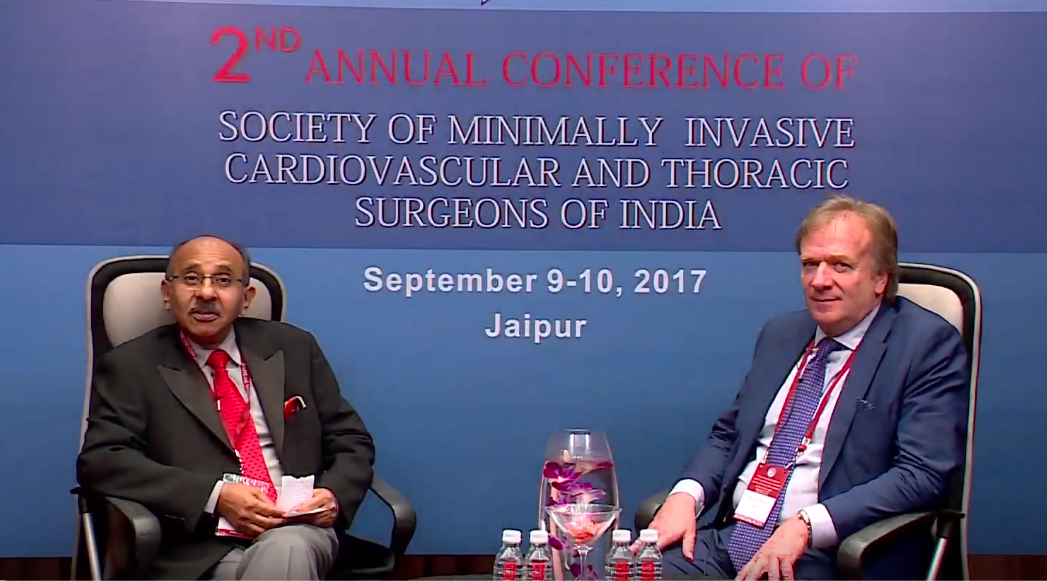
Dr Om Prakash Yadava and Professor Gino Gerosa discuss continuous flow devices compared with pulsatile flow devices and the debated issues involved. They also look at futuristic and evolving technologies...
A sobering editorial, read last May at the AATS, that discusses at length the ethics of ventricular assist as a super expensive therapy seen from the principle of fairness.
...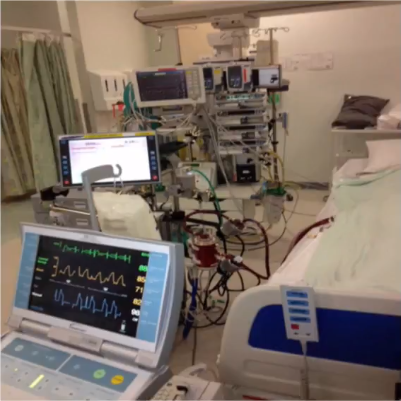
Rajamiyer Venkateswaran of the Wythenshawe Hospital in Manchester, UK, asks whether it is possible to predict when a patient undergoing high-risk cardiac surgery will need postoperative mechanical circulatory support. He...
The Impella RP device was approved by the FDA for use as a temporary percutaneous assist for the right ventricle, as announced by Abiomed. Use is approved for up to...
A stimulating editorial triggered by tri-species autopsy work on angiodysplasia potentially attributable to continuous-flow LVAD. Dr Birks discusses the findings and appears open to the suggestion that LVAD per se...
The authors queried the UNOS heart transplantation database to determine if LVAD device-related complications (DRCs) were associated with worse postoperative graft survival. The 5 categories of DRCs were as follows:...