


Minimally Invasive Surgery

This cardiac session features leading surgeons providing updates on imaging, robotics, and autonomy at the International Society for Minimally Invasive Cardiothoracic Surgery Annual Scientific Meeting 2026. To begin, Feras Khaliel, Chairman of Cardiac Surgery and...

In this single-center propensity-matched analysis of 659 patients undergoing minimally invasive direct coronary artery bypass (MIDCAB), bilateral internal mammary artery grafting achieved short- and mid-term clinical outcomes comparable to single...

This talk features Joerg Kempfert, Senior Consultant Cardiac Surgeon, Department of Cardiothoracic and Vascular Surgery, German Heart Center, Berlin, Germany, presenting on “Endoscopic Team Training and Surgeon Mentorship: My Personal...

A 27-year-old male previously underwent bilateral T2–T3 sympathicotomy for severe palmar hyperhidrosis. Compensatory hyperhidrosis involving the trunk developed one year after the initial procedure and progressively became debilitating. Seven years...

 …
…CTSNet hosted a webinar on September 15, 2026, titled “The TAVR Heart Team in 2026: Navigating the CMS Decision,” featuring leading surgeons Tom B. Nguyen, Michael Mack, and Tsuyoshi Kaneko,...

The Thoracic community is ready to gather in Ljubljana this year for the biggest event of purely thoracic surgery interest. The full programme is availabe on the website. Looking forward...
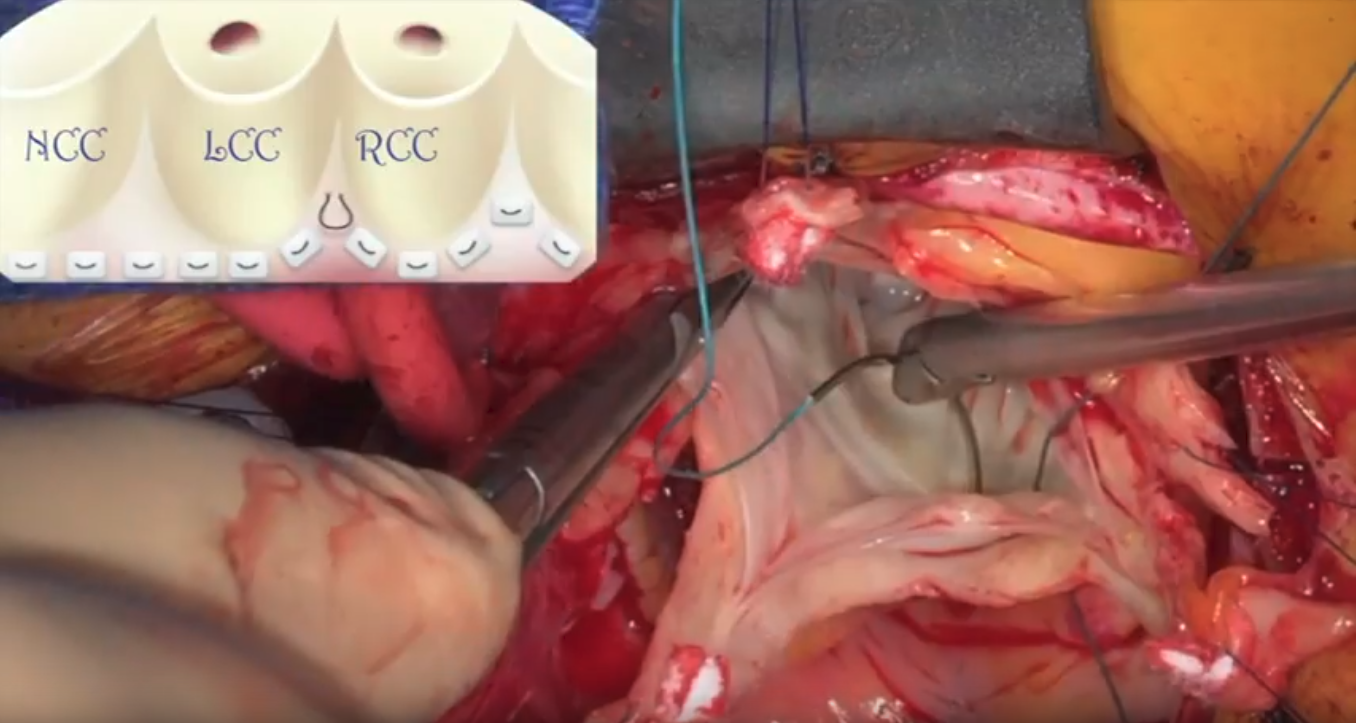
Minimally invasive valve sparing aortic root replacement in a patient with Marfan syndrome is feasible and provides an excellent outcome in a young patient. Preoperative computed tomography of the chest...
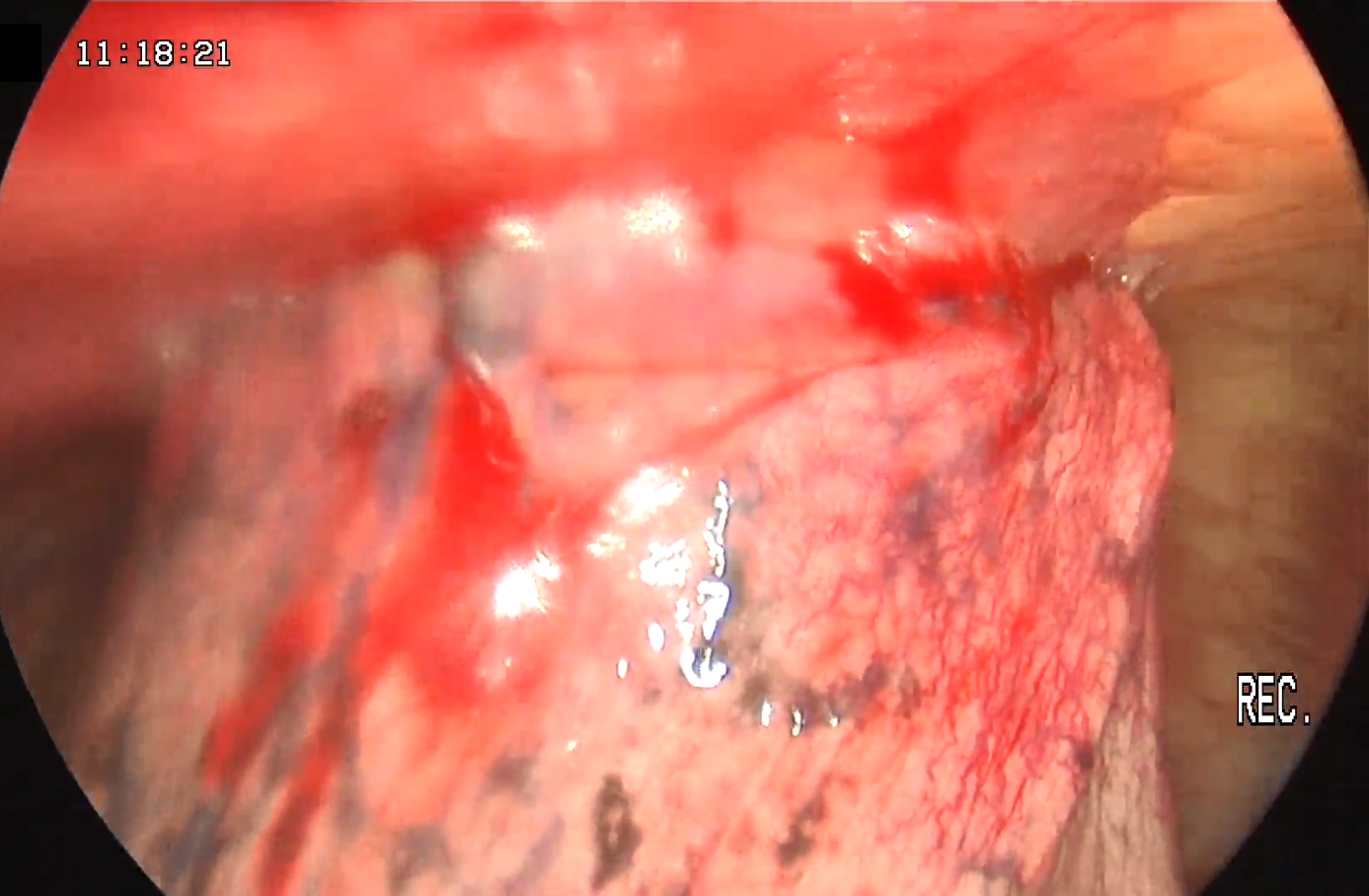
A 60-year-old patient was diagnosed with a T3N0M0 squamous cell carcinoma. A multidisciplinary tumor board decided to perform a hybrid procedure of left upper lobectomy with resection of three involved...


When she was four months old, doctors determined that Bryce would need heart surgery as soon as possible. Though she was in the 50th percentile for weight when she was...
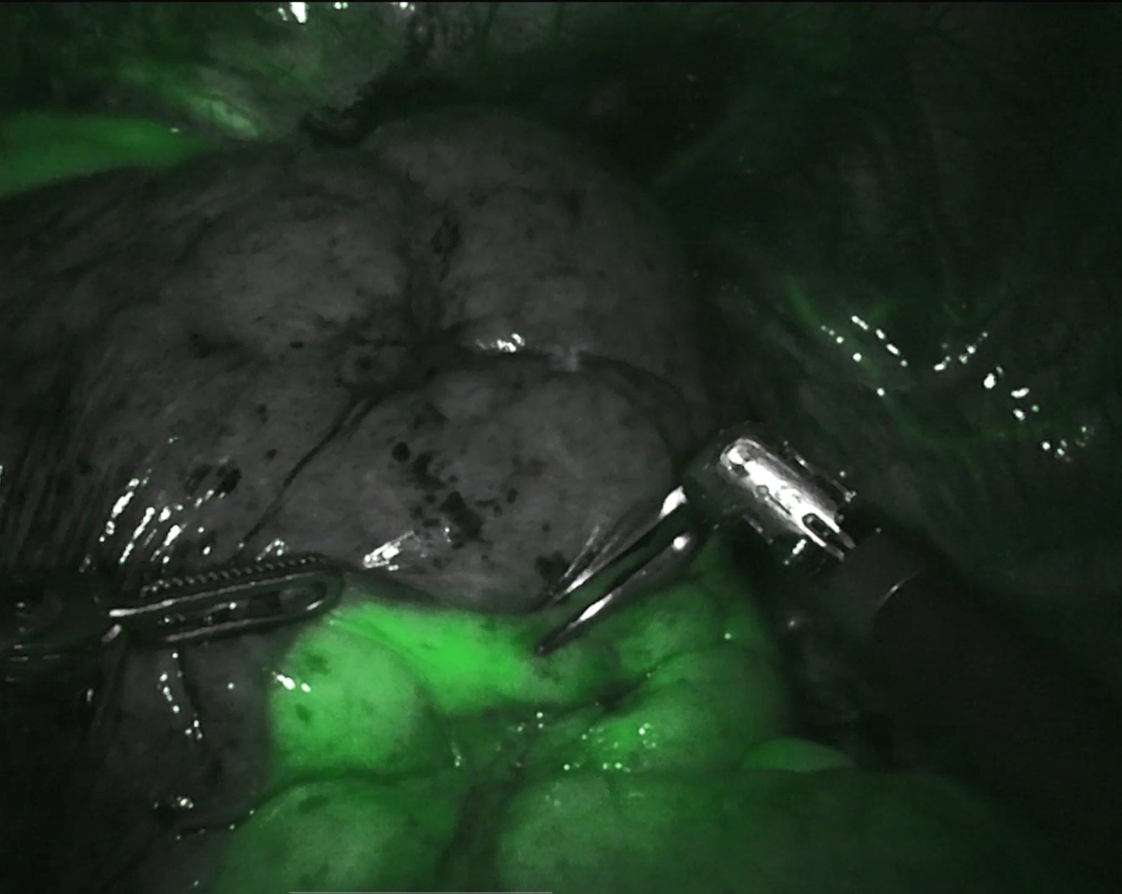
Sublobar resection of small (<2 cm) well-differentiated lung cancers is appropriate, especially in elderly patients, and it preserves useful lung parenchyma, thereby maximizing postoperative lung function [1]. Though minimally invasive...
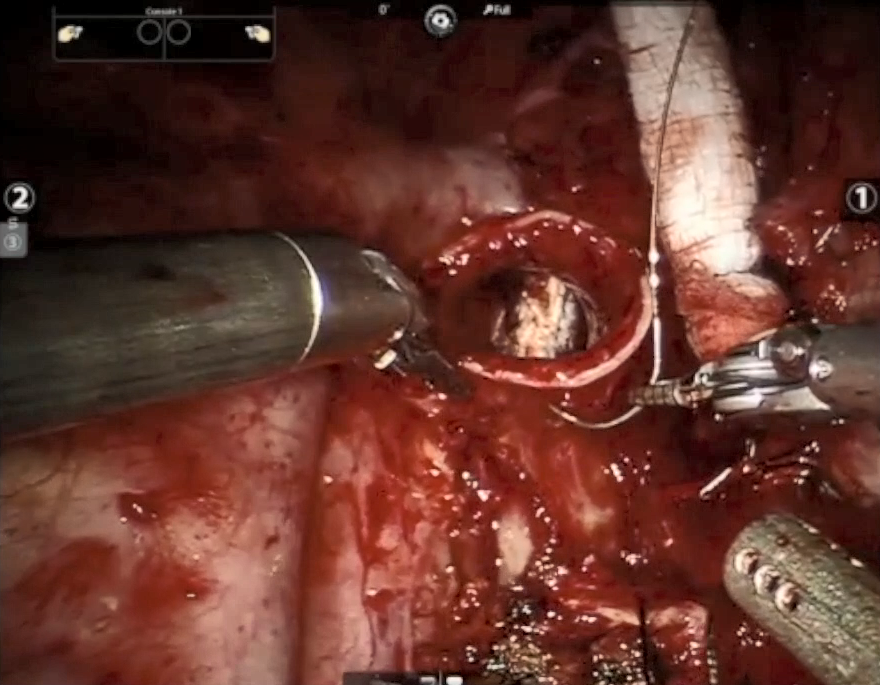 …
…IntroductionCarcinoid is a rare lung cancer that originates from the neuroendocrine cells of the airways. Pulmonary parenchyma sparing procedures should be attempted whenever feasible. Bronchoplasty and sleeve resection are technically...
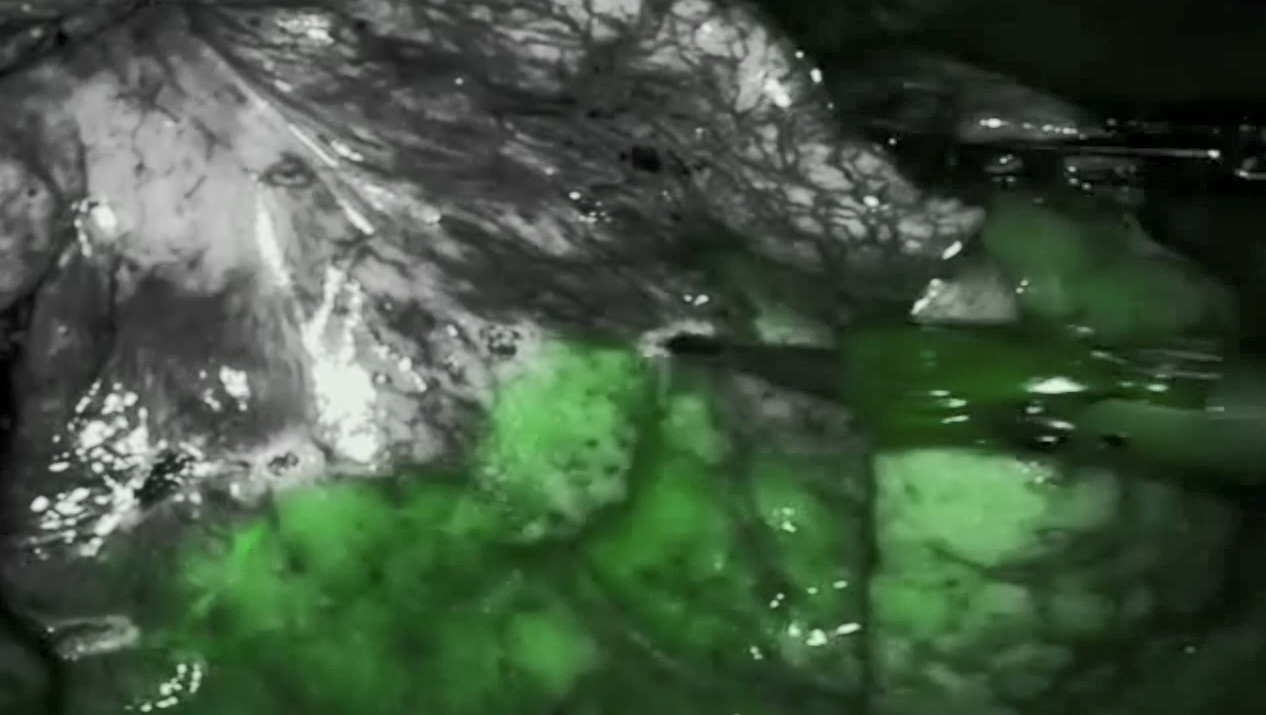
Robotic technology is being increasingly utilized for the performance of anatomic pulmonary resection. An excellent example of the technical advantages of the robotic platform over conventional minimally invasive video-assisted thoracoscopic...
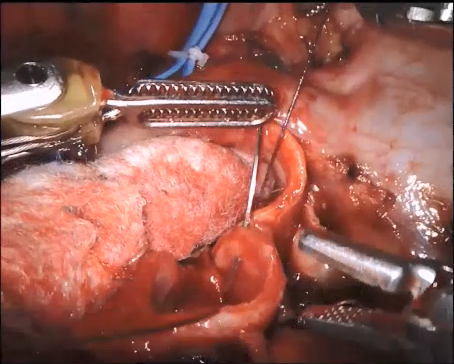
Clinical Summary A 52-year-old male light smoker was under regular annual checks following a previous ocular melanoma, which was treated in 2013 with brachytherapy. During one of the follow-up visits,...