Skip to content
Skip to content

AI-Powered Oral Board Training Is Available to CTSNet Users Now!

LEARN MORE
Not a member yet? Register now.
  • ABOUT
    • Leadership
    • Participation
    • Featured Sponsors
    • Submission Guidelines
    • Competitions
      • Innovation Video Competition
    • Community
      • Volunteer
      • Badges
    • Contact Us
  • EXPLORE CTSNET
    • CARDIAC
    • THORACIC
    • CONGENITAL
    • Clinical Care Professionals
    • JANS
    • Events
    • Journals
  • Videos
    • Atlas of Cardiac Surgery
    • Webinars
    • Master Class
    • Guest Interviews
    • Conference Sessions
  • Podcasts
    • The Beat With Joel Dunning
    • The Atrium
    • The Cardiac Recovery Room
    • The Lifeline
  • Profiles
    • Users Directory
    • Organizations
  • CAREERS
    • US Career Center
    • European Career Center
  • ABOUT
    • Leadership
    • Participation
    • Featured Sponsors
    • Submission Guidelines
    • Competitions
      • Innovation Video Competition
    • Community
      • Volunteer
      • Badges
    • Contact Us
  • EXPLORE CTSNET
    • CARDIAC
    • THORACIC
    • CONGENITAL
    • Clinical Care Professionals
    • JANS
    • Events
    • Journals
  • Videos
    • Atlas of Cardiac Surgery
    • Webinars
    • Master Class
    • Guest Interviews
    • Conference Sessions
  • Podcasts
    • The Beat With Joel Dunning
    • The Atrium
    • The Cardiac Recovery Room
    • The Lifeline
  • Profiles
    • Users Directory
    • Organizations
  • CAREERS
    • US Career Center
    • European Career Center
SUBMIT CONTENT
DONATE
JOIN

AI-Powered Oral Board Training Is Available to CTSNet Users Now!

READ MORE
  • ABOUT
    • Leadership
    • Participation
    • Featured Sponsors
    • Submission Guidelines
    • Competitions
      • Innovation Video Competition
    • Community
      • Volunteer
      • Badges
    • Contact Us
  • EXPLORE CTSNET
    • CARDIAC
    • THORACIC
    • CONGENITAL
    • Clinical Care Professionals
    • JANS
    • Events
    • Journals
  • Videos
    • Atlas of Cardiac Surgery
    • Webinars
    • Master Class
    • Guest Interviews
    • Conference Sessions
  • Podcasts
    • The Beat With Joel Dunning
    • The Atrium
    • The Cardiac Recovery Room
    • The Lifeline
  • Profiles
    • Users Directory
    • Organizations
  • CAREERS
    • US Career Center
    • European Career Center
Not a member yet? Register now.
  • ABOUT
    • Leadership
    • Participation
    • Featured Sponsors
    • Submission Guidelines
    • Competitions
      • Innovation Video Competition
    • Community
      • Volunteer
      • Badges
    • Contact Us
  • EXPLORE CTSNET
    • CARDIAC
    • THORACIC
    • CONGENITAL
    • Clinical Care Professionals
    • JANS
    • Events
    • Journals
  • Videos
    • Atlas of Cardiac Surgery
    • Webinars
    • Master Class
    • Guest Interviews
    • Conference Sessions
  • Podcasts
    • The Beat With Joel Dunning
    • The Atrium
    • The Cardiac Recovery Room
    • The Lifeline
  • Profiles
    • Users Directory
    • Organizations
  • CAREERS
    • US Career Center
    • European Career Center
  • ABOUT
    • Leadership
    • Participation
    • Featured Sponsors
    • Submission Guidelines
    • Competitions
      • Innovation Video Competition
    • Community
      • Volunteer
      • Badges
    • Contact Us
  • EXPLORE CTSNET
    • CARDIAC
    • THORACIC
    • CONGENITAL
    • Clinical Care Professionals
    • JANS
    • Events
    • Journals
  • Videos
    • Atlas of Cardiac Surgery
    • Webinars
    • Master Class
    • Guest Interviews
    • Conference Sessions
  • Podcasts
    • The Beat With Joel Dunning
    • The Atrium
    • The Cardiac Recovery Room
    • The Lifeline
  • Profiles
    • Users Directory
    • Organizations
  • CAREERS
    • US Career Center
    • European Career Center
SUBMIT CONTENT
DONATE
JOIN
You are here:
  1. Thoracic

Phrenic Nerve Pacing using a Subxiphoid Robotic Approach without lung isolation

  • September 10, 2026

By: Joel DunningGold ContributorSilver Commentor

Keywords:

  • Lung & Mediastinal

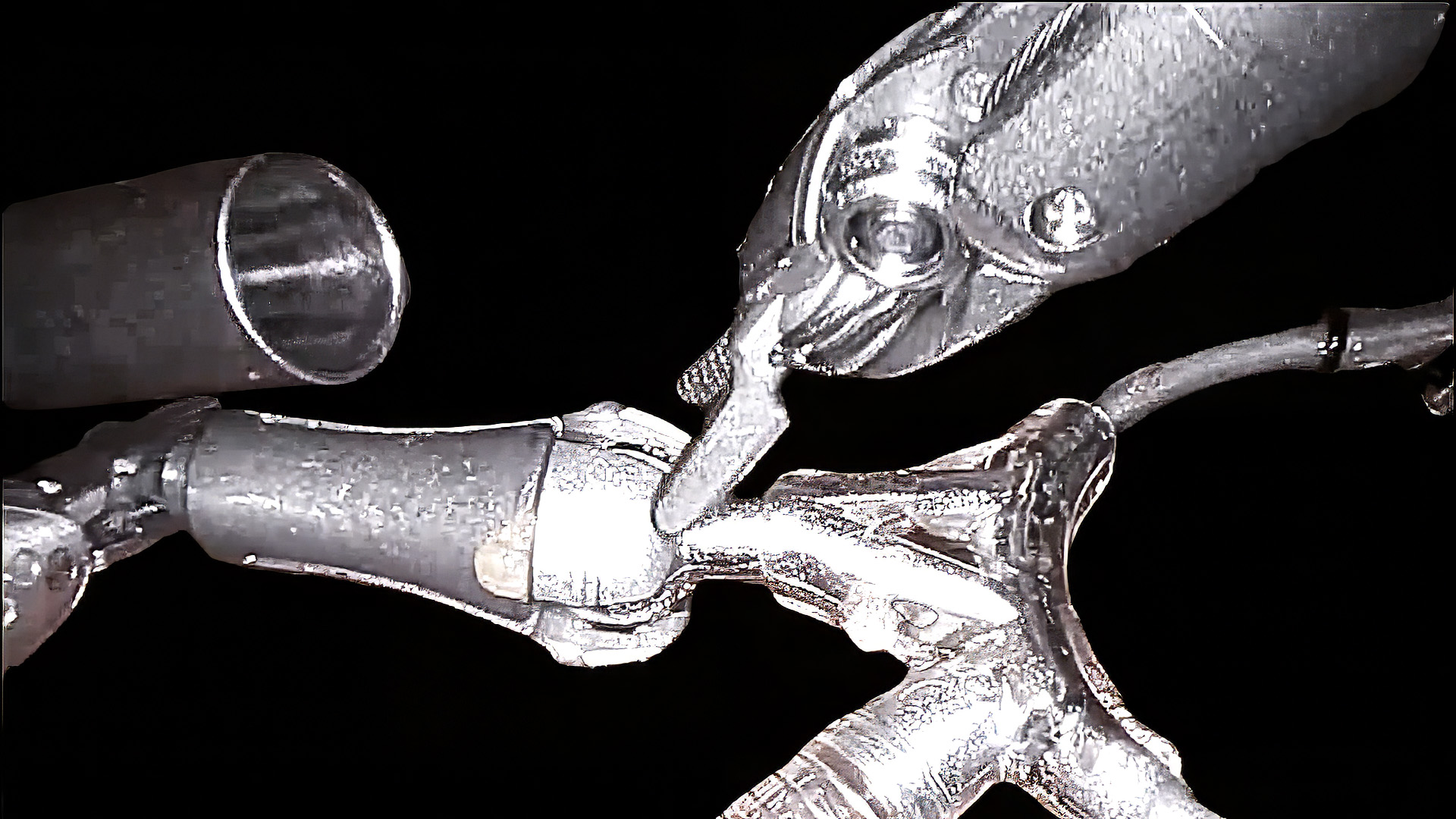
This video demonstrates the implantation of bilateral phrenic nerve pacing leads using a robotic subxiphoid approach without lung isolation.

This approach was utilized because the patient presented with central hypoventilation and chronic high CO2 levels; and lung collapse was avoided to prevent postoperative atelectasis. This method also reduced operative time by allowing the procedure bilaterally without the need to undock and reposition the robotic system.

The bilateral phrenic nerve pacing system is suited to patients who are chronically dependent on mechanical ventilation because of upper motor neuron respiratory muscle paralysis or central alveolar hypoventilation—most commonly high cervical spinal cord injury, congenital or acquired central hypoventilation syndrome, or brainstem stroke—provided that the remaining phrenic nerve, lung, and diaphragm function are sufficient to accommodate electrical stimulation.

The critical selection criterion is an intact or surgically repairable phrenic nerve with a viable, nonatrophied diaphragm and reasonably preserved lung parenchyma. Patients in whom the phrenic nerves have completely degenerated, such as in advanced ALS, or whose diaphragm muscle has irreversibly atrophied, as in muscular dystrophy, are not suitable candidates.

The device is licensed across both adult and pediatric populations, making it currently the only device in the US approved for both adults and children. While some adult patients can be managed with unilateral or alternating stimulation, pediatric patients almost universally require bilateral pacing. In practice, this makes the device most applicable to tetraplegic patients seeking ventilator independence, children and adults with central hypoventilation syndrome, and those with bilateral diaphragm paralysis of central neurological origin—always with a clear exclusion of primary muscle or lower motor neuron disease and severe intrinsic lung disease.


Disclaimer

The information and views presented on CTSNet.org represent the views of the authors and contributors of the material and not of CTSNet. Please review our full disclaimer page here.


Add Comments Cancel reply

You must be logged in to post a comment.

Not a member yet? Register now.
Vimeo 3 views on Vimeo

CITATION

Dunning J, Messer B, Marie Brunswicker A, Martin T. Phrenic Nerve Pacing Using a Subxiphoid Robotic Approach Without Lung Isolation. September 2026. doi:10.25373/ctsnet.33548497.
DOI https://doi.org/10.25373/ctsnet.33548497
TAGS
  • Diaphragm
  • lung
  • Robotic Thoracic Surgery
  • Robotic-Assisted

Related Content

JANS Article

Clinical Responses to Tarlatamab Among Patients With Pulmonary Carcinoid

Author(s): Akshay PatelSilver Contributor

JANS Article

Effect of Surgical Exposure on Outcomes in BLTx: Insight From the International ECLS Registry

Author(s): Shrikar Modukuri

Video

Robotic Radical Thymectomy for Myasthenia Gravis: Left-Sided Approach

By: Pramod Reddy Kandakure

Video

Ross “Face-Off”: Twin Root Replacement

By: Sameh SaidGold ContributorSilver Commentor

Video

Aortic Uncrossing Procedure for Circumflex Aorta

By: Zineb El Hasnaoui

Podcast

The Beat With Joel Dunning Ep. 172: Intraoperative AI Copilot in Robotic Cardiac Surgery

By: Joel DunningGold ContributorSilver Commentor

Video

Off-Pump Totally Endoscopic Coronary Artery Bypass Using the da Vinci 5: Closed-Chest Stabilizer Technique

By: Hiroto Kitahara

JANS Article

Tumor Mutational Burden as a Predictor of Immune-Related Adverse Events in Patients With Advanced Non-Small Cell Lung Cancer Receiving Immune Checkpoint Inhibitors: A Brief Report

Author(s): Akshay PatelSilver Contributor

JANS Article

Building Bridges: Extracorporeal Membrane Oxygenation Versus Mechanical Ventilation as Bridge to Lung Transplant—A Nationwide Analysis

Author(s): Akshay PatelSilver Contributor

Video

Panel Discussion: Complex Thoracic Endometriosis

By: Leanne Harling (Ashrafian)Silver Contributor

233 S. Wacker Drive | Suite 4400
Chicago, Illinois 60606, USA

Linkedin X-twitter Facebook-f Youtube
  • Join CTSNet
  • Donate
  • Submit Content
  • Volunteer
  • Join CTSNet
  • Donate
  • Submit Content
  • Volunteer
  • Featured Partners
  • Careers
  • Press
  • Advertise on CTSNet
  • Featured Partners
  • Careers
  • Press
  • Advertise on CTSNet
  • CTSNet Policies
  • Privacy Policy
  • Disclaimer
  • Contact CTSNet
  • CTSNet Policies
  • Privacy Policy
  • Disclaimer
  • Contact CTSNet

233 S. Wacker Drive | Suite 4400
Chicago, Illinois 60606, USA

Instagram Linkedin X-twitter Facebook-f Youtube
  • Join CTSNet
  • Donate
  • Submit Content
  • Volunteer
  • Join CTSNet
  • Donate
  • Submit Content
  • Volunteer
  • Featured Partners
  • Careers
  • Press
  • Advertise on CTSNet
  • Featured Partners
  • Careers
  • Press
  • Advertise on CTSNet
  • CTSNet Policies
  • Privacy Policy
  • Disclaimer
  • Contact CTSNet
  • CTSNet Policies
  • Privacy Policy
  • Disclaimer
  • Contact CTSNet

233 S. Wacker Drive | Suite 4400
Chicago, Illinois 60606, USA

Instagram Linkedin X-twitter Facebook-f Youtube
  • Join CTSNet
  • Donate
  • Submit Content
  • Volunteer
  • CTSNet Policies
  • Privacy Policy
  • Join CTSNet
  • Donate
  • Submit Content
  • Volunteer
  • CTSNet Policies
  • Privacy Policy
  • Featured Partners
  • Careers
  • Press
  • Advertise on CTSNet
  • Disclaimer
  • Contact CTSNet
  • Featured Partners
  • Careers
  • Press
  • Advertise on CTSNet
  • Disclaimer
  • Contact CTSNet
  • Join CTSNet
  • Donate
  • Submit Content
  • Volunteer
  • Join CTSNet
  • Donate
  • Submit Content
  • Volunteer
  • Featured Partners
  • Careers
  • Press
  • Advertise on CTSNet
  • Featured Partners
  • Careers
  • Press
  • Advertise on CTSNet
  • CTSNet Policies
  • Privacy Policy
  • Disclaimer
  • Contact CTSNet
  • CTSNet Policies
  • Privacy Policy
  • Disclaimer
  • Contact CTSNet
© 2026 CTSNet Inc. All right reserved.
Go to Top