Advanced-stage lung cancer patients who have undergone lung resection, adjuvant chemotherapy, and immunotherapy are often immunocompromised and prone to pleural space infections. A pleural window is usually not accepted by patients because of poor quality of life.
Thoracoplasty with latissimus dorsi myoplasty, on the other hand, continues to play a vital role in selected patients, even those with advanced-stage lung cancer in remission. This technique helps cure pleural space infections by obliterating the space and aids disinfection through highly vascular muscle transposition, which allows for the delivery of antibiotics according to culture and sensitivities. Ultimately, this approach improves quality of life and overall well-being for otherwise immunocompromised and debilitated patient.
Case Video Summary
This video demonstrates a 69-year-old female patient diagnosed with Stage 3A right lung lower lobe adenocarcinoma who underwent a uniportal video-assisted thoracoscopic right lower lobectomy in May 2023.
Postoperatively, she received adjuvant chemotherapy and adjuvant immunotherapy.
In September 2024, she was diagnosed with right empyema and initially underwent chest drain insertion for Streptococcus pneumoniae empyema, as identified from the pleural fluid. A surgical opinion was sought for empyema decortication.
It was determined that decortication alone would not help, as the lung would not expand any further. The patient was counseled on options of either long-term pleural window creation or lower thoracoplasty. The patient was traumatized by the idea of a permanent or long-term pleura window and opted for thoracoplasty.
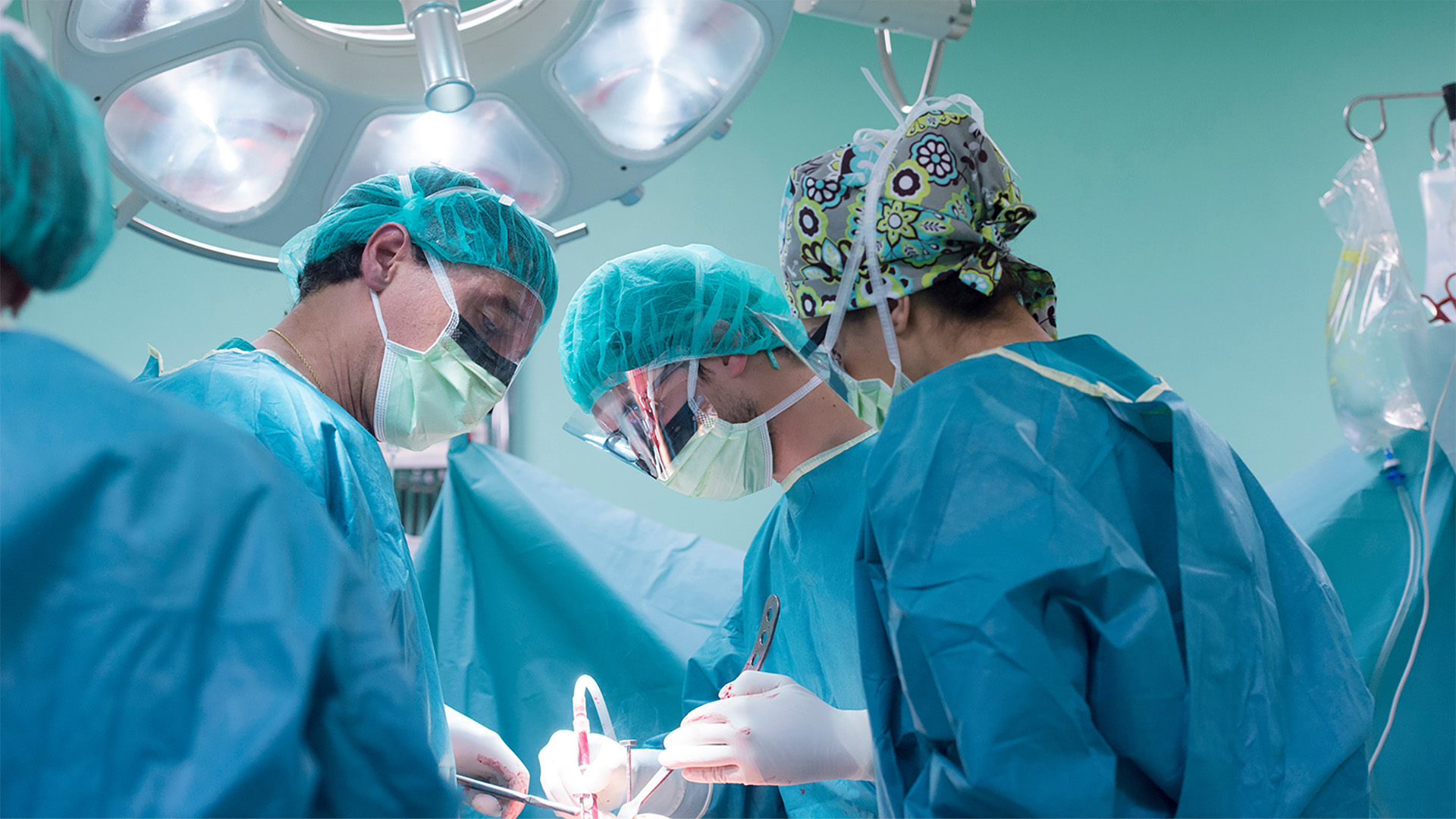
She underwent right limited lateral thoracotomy, lower thoracoplasty with removal of the lower six ribs, and pedicled latissimus dorsi flap interposition to obliterate the pleural space, allowing for the infiltration of culture-sensitive antibiotics. She recovered uneventfully postoperatively.
At the one-year follow-up, there was no further recurrence of empyema, no structural deformity from thoracoplasty, and her quality of life had improved significantly.
Conclusion
In this current era of advanced multimodality cancer treatment, which is highly efficient against cancer and improves survival and quality of life, patients often experience adverse effects due to an immune-compromised state that increases the chances of pleural space infections in those surgically treated for lung cancer. Thoracoplasty, with or without myoplasty, is indispensable for re-establishing a significantly improved quality of life and overall well-being of these patients, serving as an alternative to a palliative pathway.
Disclaimer
The information and views presented on CTSNet.org represent the views of the authors and contributors of the material and not of CTSNet.
Please review our full disclaimer page here.
 341 views on Vimeo
 912 views