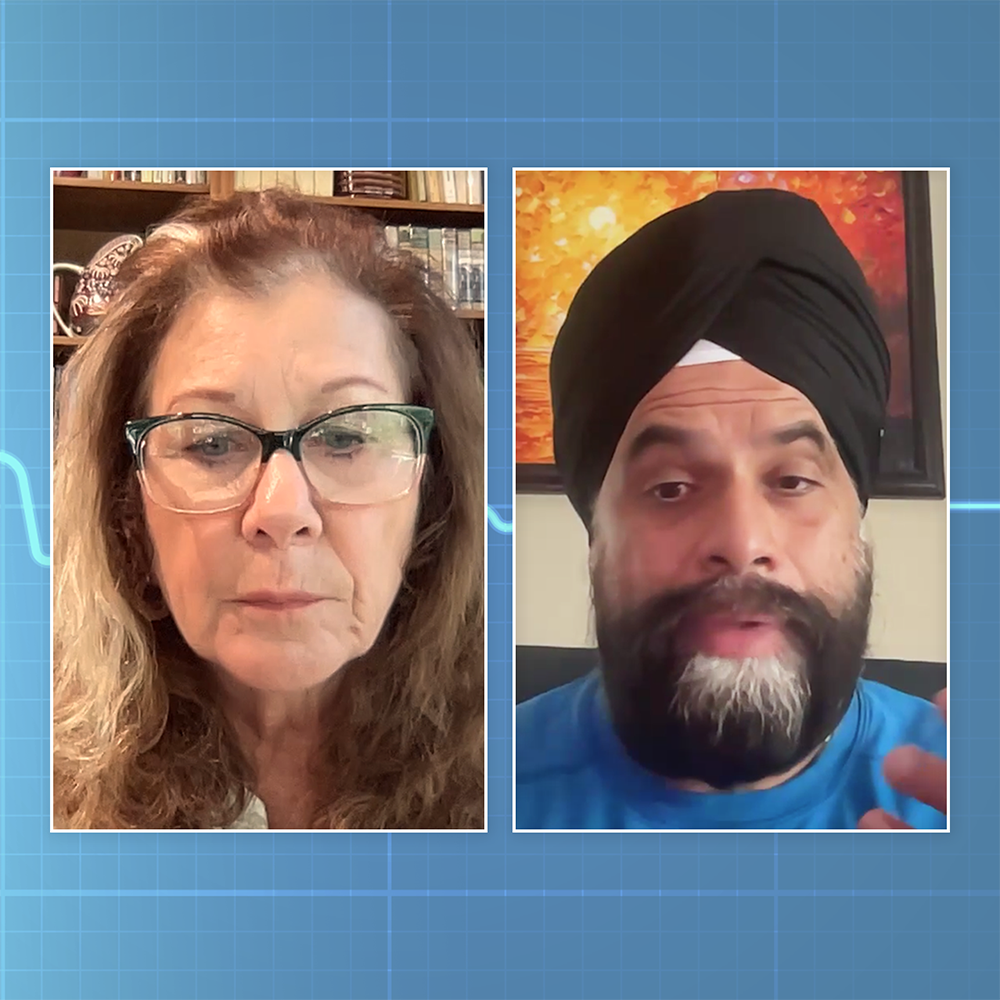
This video discusses the three pillars of precision medicine in cardiogenic shock and the latest research.
First, machine learning phenotyping can identify distinct and biologically meaningful subgroups within the heterogeneous shock population. Second, causal-inference machine learning reveals real treatment-effect heterogeneity across temporary mechanical circulatory support (tMCS) devices, allowing surgeons to predict benefits at the level of the individual patient. Third, model-guided patient–device matching improves targeting beyond cohort-average effects. The right device for the right patient outperforms devices deployed in an unselected population. Together, these elements create a framework for genuine precision medicine in cardiogenic shock.
Disclosure
Dr. Song Li is a consultant for Johnson & Johnson Abiomed.
In this new CTSNet President’s Series, leading surgeons from the American Society for Artificial Internal Organs provide educational content and expert presentations. Watch for more videos in this series coming soon.
Disclaimer
The information and views presented on CTSNet.org represent the views of the authors and contributors of the material and not of CTSNet. Please review our full disclaimer page here.
 93 views on Vimeo