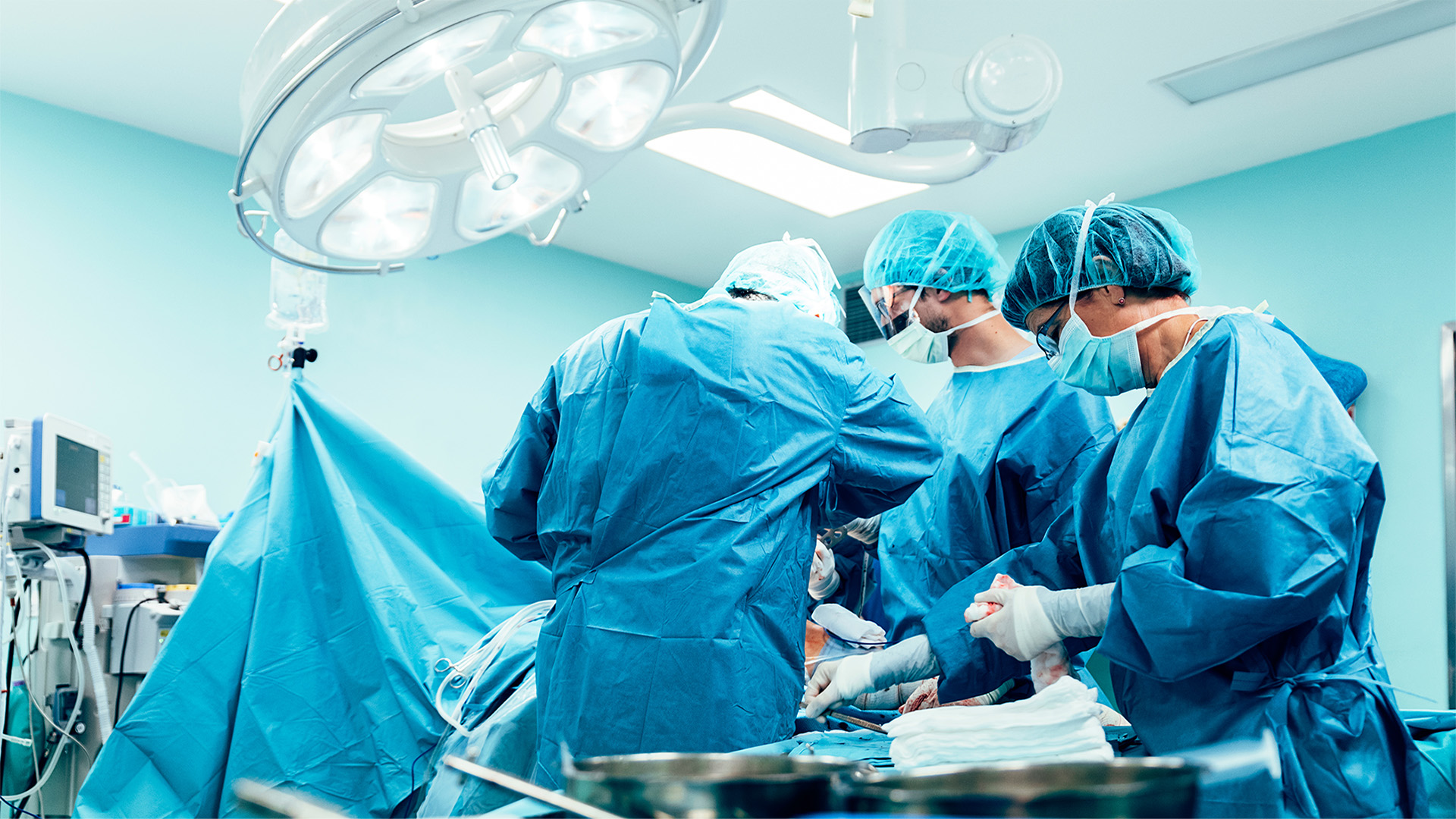
Surgical ablation is an established treatment option for atrial fibrillation (AF). With the advancements of robotics surgery and techniques, arrythmia surgery is now more widely accessible to practitioners, in addition to traditional open thoracotomy cases. This video demonstrates a robotic-assisted Cox-Maze III procedure using cryoablation, combined with an intercostal cryo nerve block and left atrial appendage (LAA) exclusion with an AtriClip Pro Mini placed through the transverse sinus.
Case Presentation
A 44-year-old man had persistent AF, complicated by systolic heart failure during AF, with normal ventricular function in sinus rhythm. Highly symptomatic AF recurred after two pulsed-field catheter ablations, and he was referred for surgical ablation.
Technique
Under single-lung ventilation, an intercostal cryo nerve block was first performed from T2 to T7 with a cryoablation device (60-second freezes) through a 2 cm fourth interspace incision.
Cardiopulmonary bypass was established via percutaneous femoral cannulation with supplemental superior vena cava drainage through the right internal jugular vein. The aorta was cross-clamped with a Chitwood clamp, and the heart was arrested with del Nido cardioplegia.
The left atrium was opened through Sondergaard’s groove and left-sided lesions were created with 3-minute freezes. An epicardial coronary sinus lesion was placed via the oblique sinus, with the probe partially resheathed and elevated anteriorly to protect the phrenic nerve. A roof line was extended into the LAA orifice, and an overlapping floor line completed the box lesion. A mitral annular line was aligned parallel to the coronary sinus lesion to ensure transmurality and reduce the risk of mitral isthmus-dependent flutter.
Right-sided lesions were created with 2-minute freezes and without caval snaring. The right atriotomy was placed in the lower third of the atrium to avoid the atrial pacemaker complex. The lesions included tricuspid annular, right atrial appendage, and superior and inferior vena cava lines.
Cardioplegia was trickled during the tricuspid lesion to protect the right coronary artery. The LAA was excluded last while the left atrium remained open, allowing the clip position at the base to be confirmed from inside during test closure.
The Pro Mini’s slim profile preserved visualization within the confined transverse sinus. A small residual stump noted after deployment was eliminated by advancing the clip toward the base. An iatrogenic patent foramen ovale (PFO) from the prior ablations was closed with 4-0 Gore-Tex suture.
Outcome
The patient recovered uneventfully and was discharged on postoperative day four in normal sinus rhythm with no anticoagulant therapy. Follow-up cardiac computed tomography (CT) angiography confirmed complete LAA exclusion, with the clip flush against the base and no residual stump.
Key Takeaways
A complete biatrial Cox-Maze III lesion set, intercostal cryo nerve block, and LAA exclusion can be performed through a robotic right-chest approach. This offers a minimally invasive option for the Cox-Maze procedure using alternative energy sources. Key technical points include:
- Protecting the phrenic nerve
- Splaying tissue across the probe and overlapping lesions to avoid gaps
- Confirming clip position from inside the open left atrium
This video submission is from the 2026 CTSNet Innovation Video Competition. Watch all entries from the competition, including the winning videos.
References
- Malaisrie, James L. Cox, Patrick M. McCarthy, S. C. Cox’s Surgical Treatment of Atrial Fibrillation and Other Cardiac Arrhythmias. 2026.
Disclaimer
The information and views presented on CTSNet.org represent the views of the authors and contributors of the material and not of CTSNet. Please review our full disclaimer page here.
 0 views on YouTube