This video is part of CTSNet’s 2025 Resident Video Competition. Watch all entries into the competition, including the winning videos.
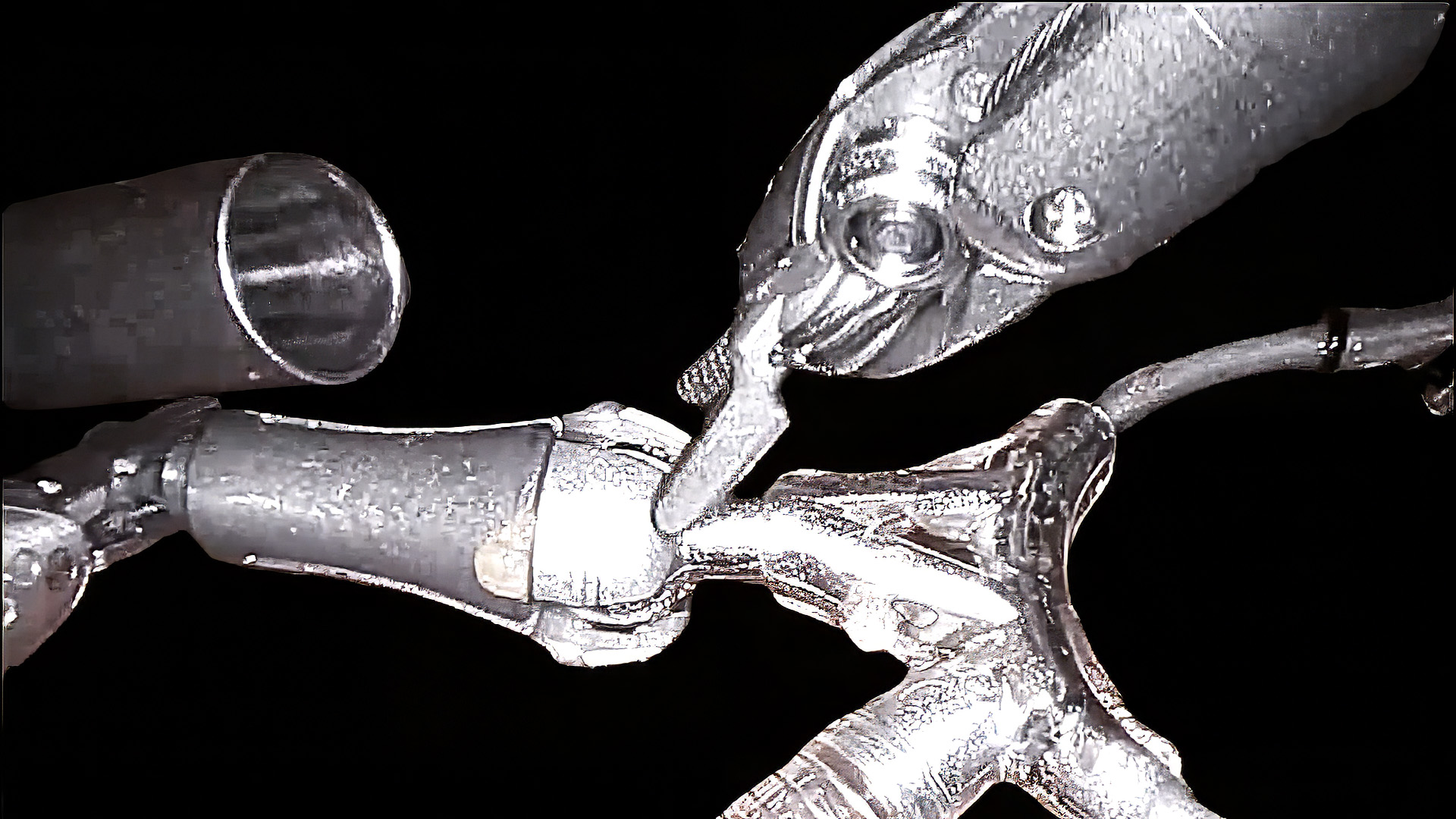
This video demonstrates the many variations of the Konno–Rastan aortoventriculoplasty. Konno and Rastan independently described this anterior aortic annular enlargement technique—Konno in 1975 and Rastan in 1976—in which the enlargement is performed to the left of the coronary artery origin. The core principle involves creating a ventricular septal defect and patching it to enlarge the aortic annulus, followed by ascending aortic patch augmentation. Typically, the aortotomy is vertical, and the patch is diamond-shaped, with a second patch later used to augment the right ventriculotomy after prosthesis placement. The Konno–Rastan procedure represents the ultimate surgical solution for multilevel left ventricular outflow tract (LVOT) obstruction and can be adapted to a wide range of clinical scenarios. It may be performed as a standard Konno–Rastan enlargement to accommodate an adequately sized prosthesis, used within the Ross procedure, modified as a Mini-Konno, or combined with a Bentall procedure. More extensive approaches pair it with posterior annular enlargement techniques such as Manouguian or Commando. Valve-sparing Konno or modified Konno procedures may also be performed to preserve the aortic valve while relieving subvalvular obstruction, often with septal myectomy. In special circumstances, such as after an arterial switch operation, the Konno procedure may require sacrificing the pulmonary valve. Despite its versatility and power in addressing complex LVOT obstruction, the Konno–Rastan aortoventriculoplasty remains underutilized—especially in adults—and deserves greater recognition as a key part of the cardiac surgeon’s armamentarium.
Disclaimer
The information and views presented on CTSNet.org represent the views of the authors and contributors of the material and not of CTSNet. Please review our full disclaimer page here.
 586 views on Vimeo