


Cerebral Protection


 …
…This introductory video describes the Gaudiani technique of cerebral perfusion at hypothermia, while the body is kept normothermic, for major aortic cases. The key issue that this technique addresses is...


A condensed, granular and yet comprehensive discussion on a small retrospective series on mostly non-iatrogenic trauma of the subclavian and axillary arteries treated mostly by stenting. Professor Veller’s viewpoint is...
Interesting registry review form an international voluntary registry. The retrospective historical data can be juxtaposed favourably to the recently presented ( also excellent results) in JANS on acute dissection in...
This month’s update on the economical and general aspects of the ROOBY-FS trial. The conclusion (on no impact of de novo post-CABG AF on the incidence of stroke nor the...
Death from cardiovascular causes, stroke, or hospitalization with worsening of heart failure or acute coronary syndrome was reduced (P=0.005) by early pharmacogical or inteventional ablation for fast response-atrial fibrillation in...
The International Registry of Acute Aortic Dissection investigators analyzed the impact of cerebral malperfusion (CM) on the surgical outcomes of acute type A dissection in 2402 patients. The incidence of...
In this randomized trial, the authors studied the use of cerebral autoregulation monitoring to target mean arterial pressure during CPB. The outcome of interest was postopertive delirium. The incidence of...
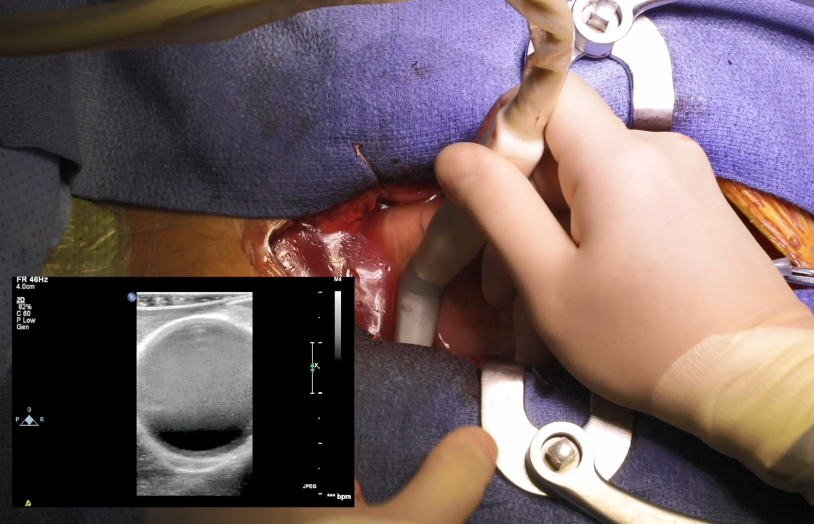
Epiaortic scanning is a simple and low-cost technique that could improve results in terms of postoperative neurological complications. This video is a step-by-step tutorial that could allow every surgeon to...
Food for thought from a retrospective non-randomized study on the Scandinavian experience with acute aortic dissection. The reader may find outcomes that will surpise them.
...Patient Care and General Interest A roadside thoracotomy was performed in the UK to control severe bleeding for a man who was stabbed, and the procedure was captured on video....
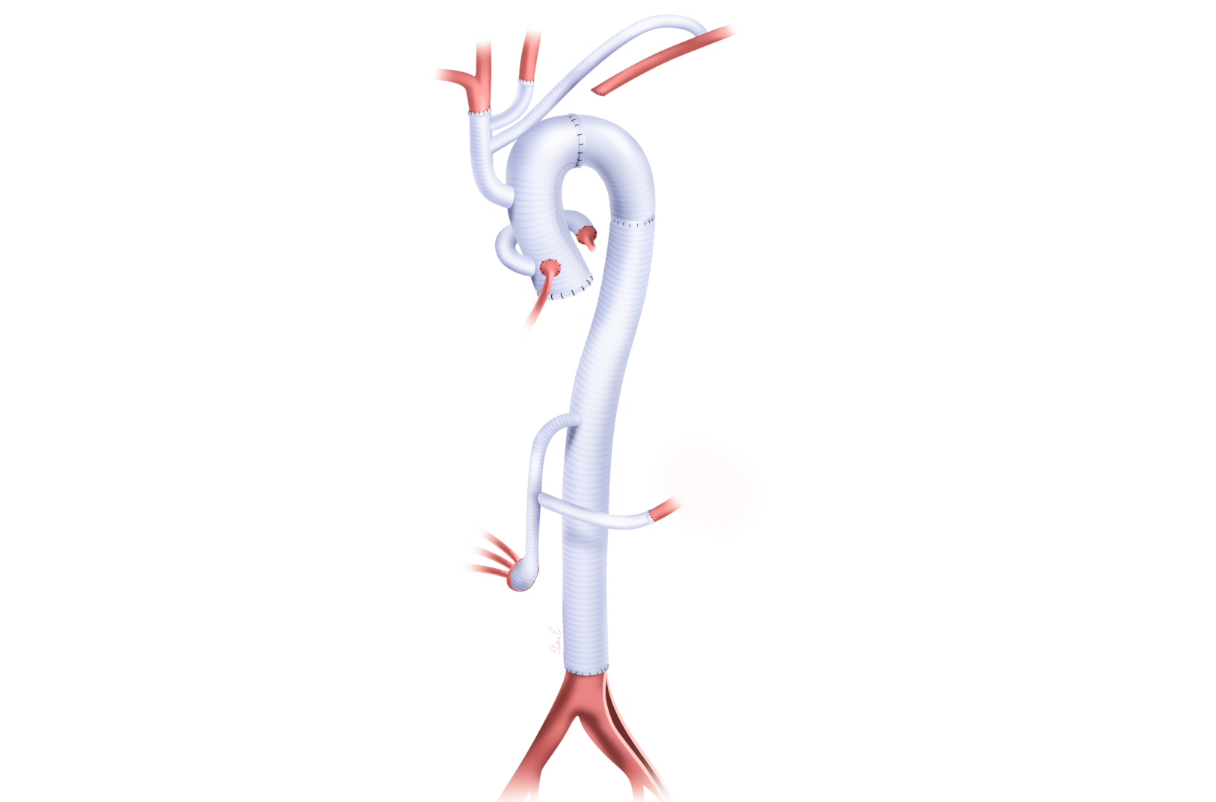
A 65-year-old man, who had a previous type A aortic dissection in 2011, developed a pseudoaneurysm at the proximal and distal aortic anastomoses of this prior ascending aortic repair. At...
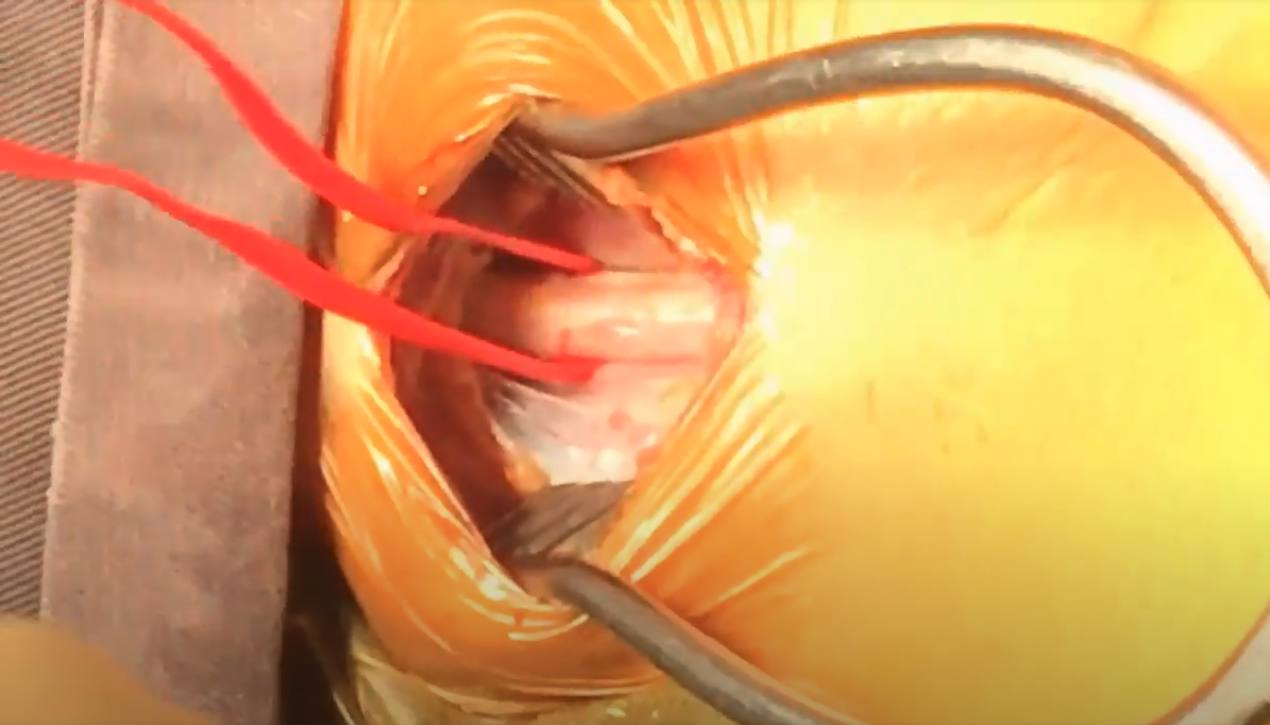
For establishing regular cardiopulmonary bypass, the ascending aorta is obviously the standard site of arterial cannulation, ensuring adequate blood supply to the whole body. However, when the aortic arch has...