


Pericardium

 …
…The authors present a case of post-myocardial infarction ventricular pseudoaneurysm repair with mitral valve replacement and coronary revascularization performed through a minimally invasive left anterior minithoracotomy via the fourth intercostal space. Patient Information This case...
…The authors present a case of post-myocardial infarction ventricular pseudoaneurysm repair with mitral valve replacement and coronary revascularization performed through a minimally invasive left anterior minithoracotomy via the fourth intercostal...

A 24-year-old female with no significant past medical history presented with progressive exercise intolerance. Further diagnostic evaluation revealed a sinus venosus defect (SVD) associated with partial anomalous pulmonary venous connection...


 …
…This week on The Beat, CTSNet Editor-in-Chief Joel Dunning spoke with Traves Crabtree, Professor and Chair of the Division of Cardiothoracic Surgery and Medical Director of the Surgical Skills Laboratory...

Diaphragmatic paralysis following congenital cardiac surgery is an important cause of postoperative respiratory morbidity in neonates and infants. Prompt recognition and appropriate management are essential to reduce ventilator dependence and...

This study compared radical vs partial pericardiectomy in 534 consecutive adults with constrictive pericarditis from 2000 to 2022, using propensity-score matching to create 89 well-matched pairs. The authors found that...
A meta-analysis of nine studies involving 8,557 patients found that early chest tube removal after cardiac surgery was associated with a higher risk of pericardial effusion, although it resulted in...

Constrictive pericarditis results from chronic fibrous thickening, and occasionally calcified adherence of the pericardium. The inelastic constriction of the pericardium impairs ventricular filling, resulting in increased filling pressures and decreased...

Pericardial cysts are benign and rare congenital malformations with an incidence of 1 in 100,000, representing about 7% of mediastinal masses [1]. Pericardial cysts— as well as pericardial diverticula— are...

A subxiphoid pericardial window is generally indicated for management of symptomatic pericardial effusion. Imaging Generally, the patient will have had some type of imaging study, most often an echocardiogram or...
Radakovic and colleagues evaluated the effectiveness of the model for end-stage liver disease (MELD) score in predicting long-term survival after pericardiectomy for constrictive pericarditis, using outcomes for 79 patients from...
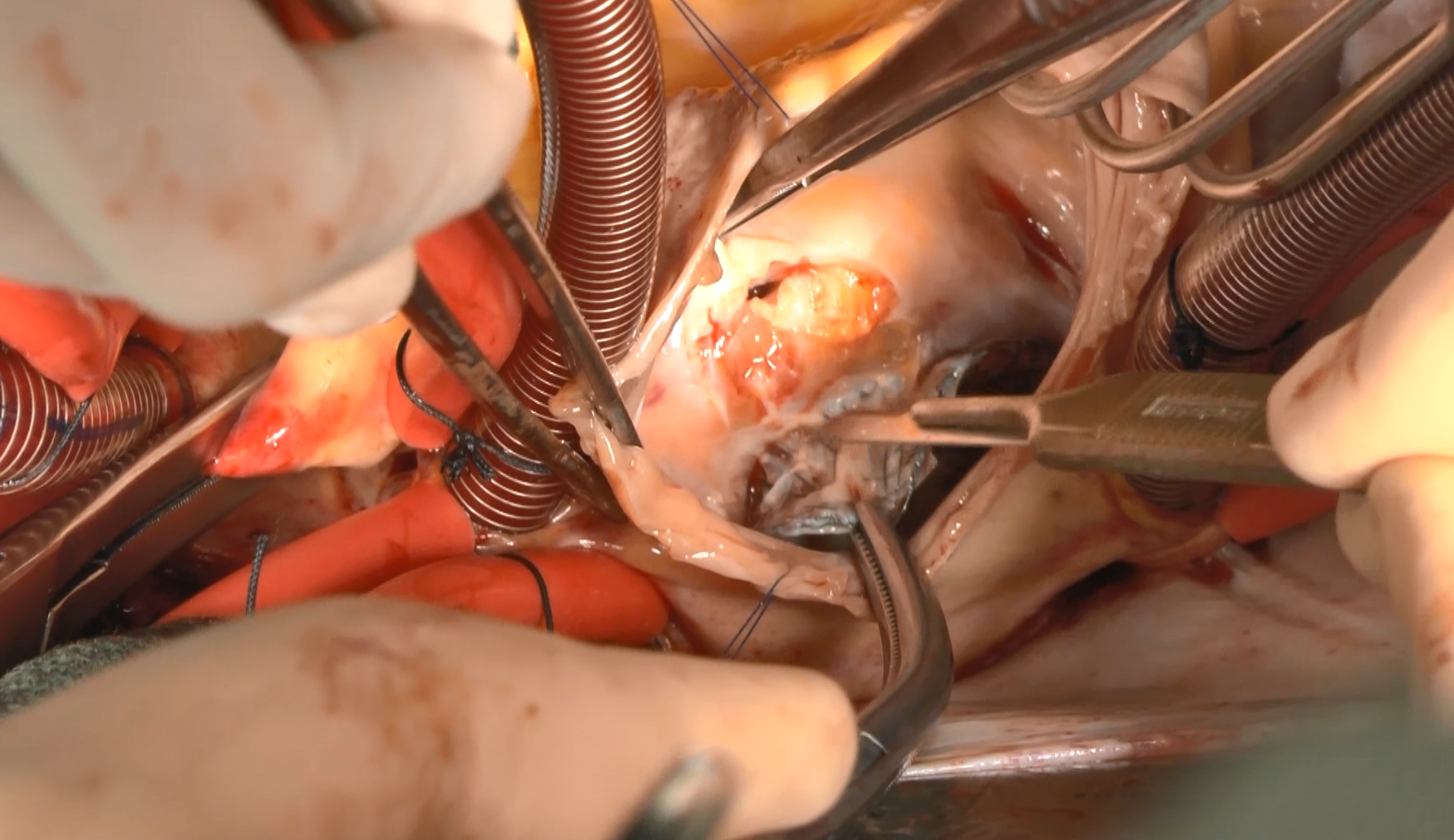
Objectives The Amplatzer™ Septal Occluder is a minimally invasive device used to treat atrial septal defects (ASD). Despite the low associated complication rates, the Amplatzer™ device has, on rare occasions,...

This review article explores the association between postoperative mediastinal blood and atrial fibrillation.
...