welcomes you to the new, improved website!
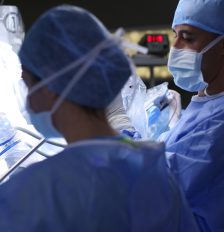
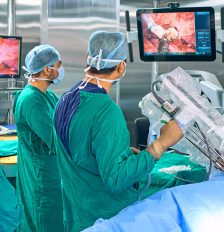
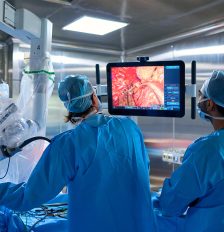
This group presents a standardized, step-by-step technique for robotic-assisted lung transplantation. The authors describe port placement strategies, dissection techniques, and sequential anastomosis to optimize surgical precision while minimizing trauma. The study highlights key benefits of robotic lung transplantation, including reduced postoperative pain, faster recovery, and improved wound healing. Special considerations, such as anesthetic management, extracorporeal membrane oxygenation (ECMO) strategies, and gas insufflation techniques, are also addressed to enhance surgical feasibility and patient safety. This research is highly relevant to the cardiothoracic surgery community as it introduces a minimally invasive alternative to conventional lung transplantation, potentially revolutionizing the field. The findings provide valuable insights into adopting robotic-assisted techniques, improving surgical outcomes, and expanding the role of advanced technology in complex thoracic procedures.