


Chest Wall

Pectus excavatum is the most common congenital chest wall deformity, and severe cases may require operative correction to improve both physiological and cosmetic outcomes. The authors present the case of a 16-year-old male with severe...


This prospective European Society of Thoracic Surgeons (ESTS) Drainology Collaborative registry study examined chest-drain practice after pulmonary resection in 3,348 patients across 21 international centers, 88 percent of whom underwent...
This prospective cohort is the largest of its kind involving 240 pediatric patients enrolled over eight years and followed for a median of 80 weeks. Patients were screened with a...

A 63-year-old woman presented with myasthenia crisis and ptosis, for which she was treated with immunoglobulin. Her medical history included type 2 diabetes mellitus (DM), hypertension, and hypothyroidism. A computed...

This interview centers on a research paper titled “Mortality Risk and Cause of Death Associated With Removal of the Adult Thymus: Analysis of the U.S. Thymoma Population.” At the 2026...

Complex chest and lung infections with bronchial fistula are life-threatening situations with a mortality rate of up to 20 percent. If medical treatment fails, these patients require aggressive surgical procedures...

During the 2023 59th Annual STS Meeting, Professor Marc Gerdisch, Chief of Cardiac Surgery at the Franciscan Health Heart Center, was kind enough to sit down with CTSNet Associate Editor...

Robotic surgery is very rarely considered for trauma cases. In this unique case, the patient came from an outside hospital with a gunshot through the thorax and suffered an...

Spontaneous lobar or whole-lung torsion is a rare clinical phenomenon with only a handful of case reports published in the literature (1–5). Most instances are associated with a postoperative or...

Postintubation tracheal laceration (PITL) remains a challenging and rare, yet persistent, problem around the world. It has increased in incidence, previously about 0.005 percent to currently almost 0.48 percent, related...

Although robotic thoracic surgery is associated with lower pain-related morbidity, it is important to address pain in a patient undergoing robotic thoracic surgery as diligently as a patient undergoing any...
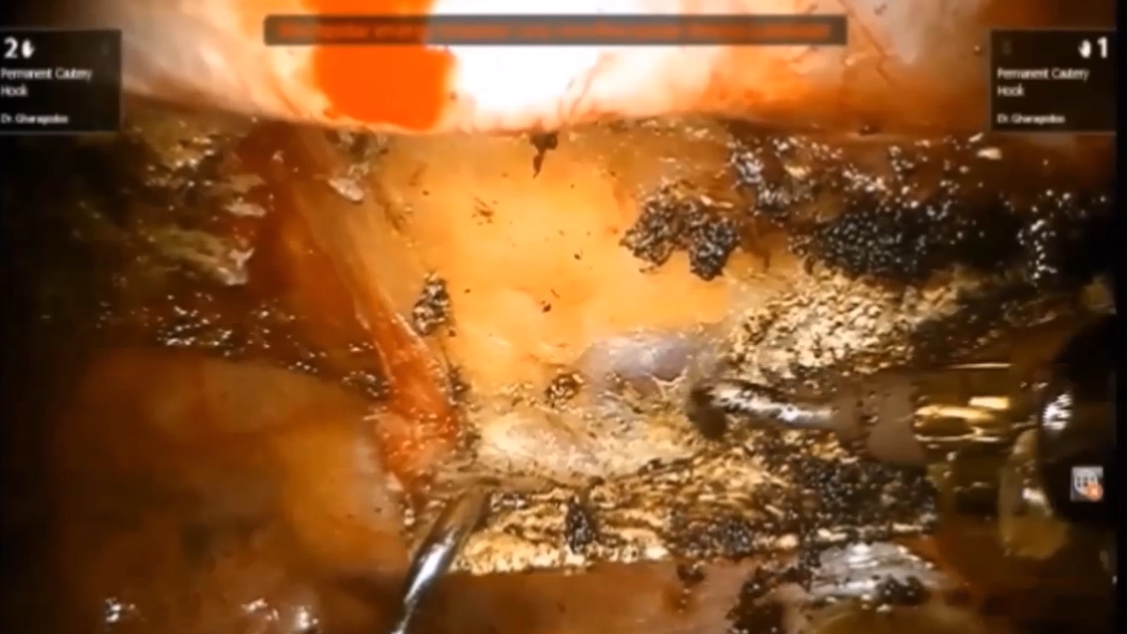
Robotic resection of the first rib (R-FRR) in patients with thoracic outlet syndrome (TOS) was described in 2012 by Gharagozloo et al. (1). This group has published the results of...
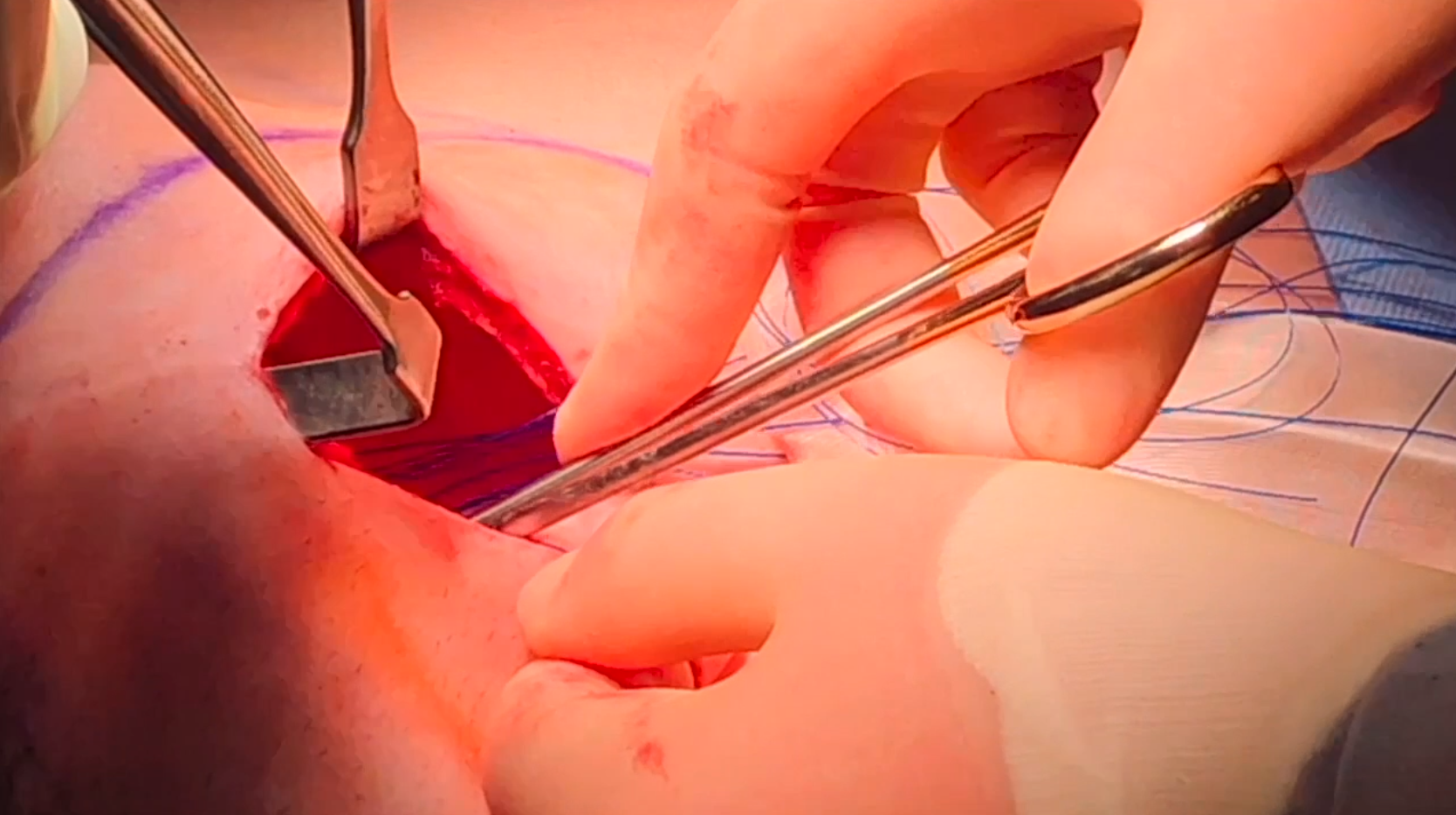
The recurrence of pectus excavatum after open repair using the Ravitch technique has been reported to occur in 2–37 percent of instances (1). Pectus-UP, NUSS bar, and redo Ravitch have...