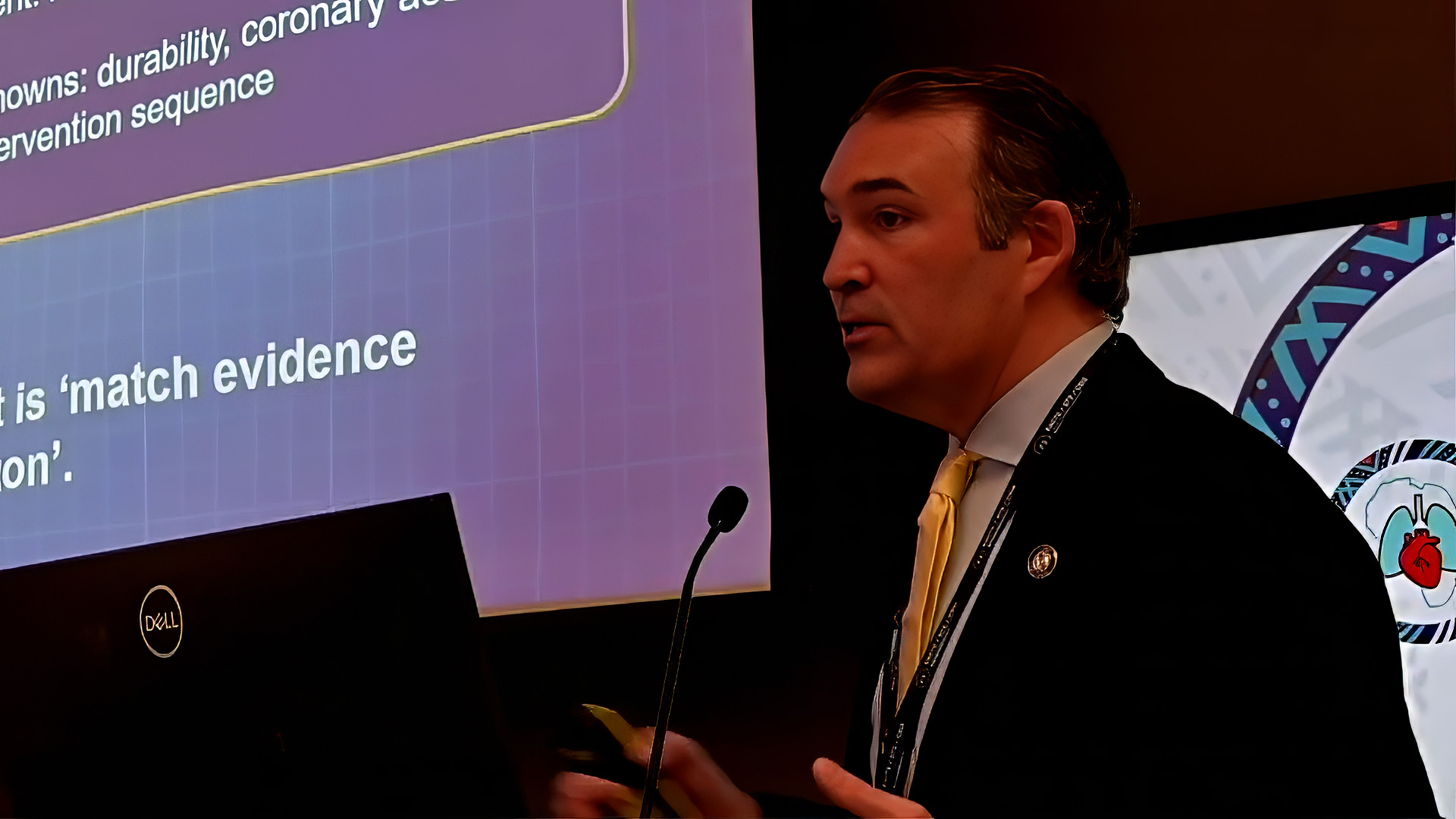
Murray Earle, Senior Lecturer in Medical Law at the University of Edinburgh Law School, United Kingdom, starts with the principle that adults are presumed to have medical decision-making capacity. An adult with capacity can refuse life-saving treatment, regardless of how unwise that decision may appear.
Children are treated differently. A person is a minor until the age of 18 in England and until the age of 16 in Scotland. When parents and clinicians disagree, the court can step in under its parens patriae jurisdiction and decide what is in the child’s best interests. The cases of Charlie Gard and Alfie Evans are recent examples.
He also mentions academic arguments that a “significant harm” threshold would be clearer than best interests. For older children, the Gillick principle allows a child with enough understanding and intelligence to consent to treatment. However, a Gillick-competent child cannot always refuse treatment, especially when it would save their life, as demonstrated by the Jehovah’s Witness blood-transfusion cases.
The presentation considers whether this approach is consistent, who should assess competence, and how Scottish law differs from English law in the context.
More presentations from the 2026 Heart Surgery and the Law conference are available here.
Disclaimer
The information and views presented on CTSNet.org represent the views of the authors and contributors of the material and not of CTSNet. Please review our full disclaimer page here.
 2 views on Vimeo