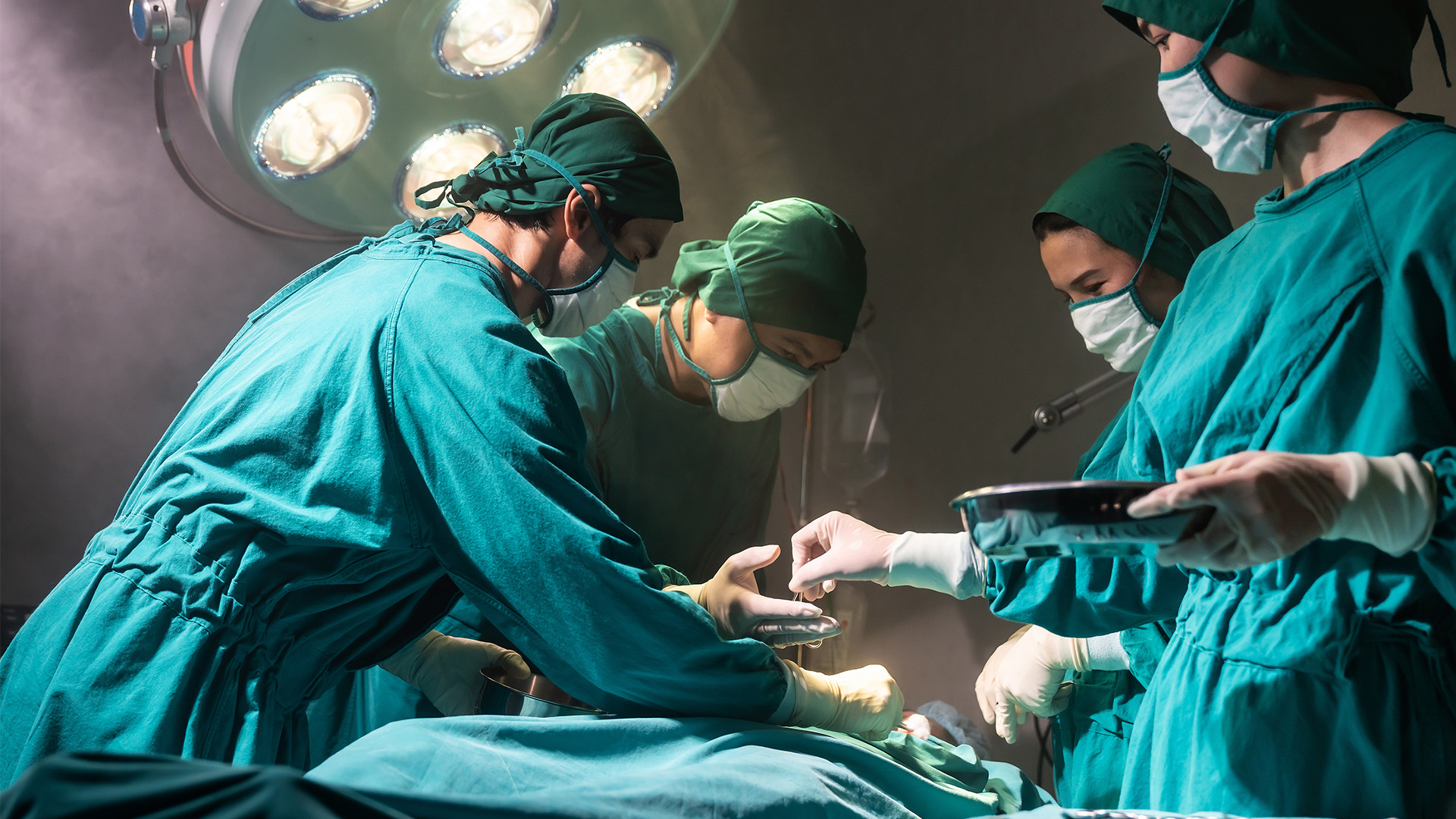
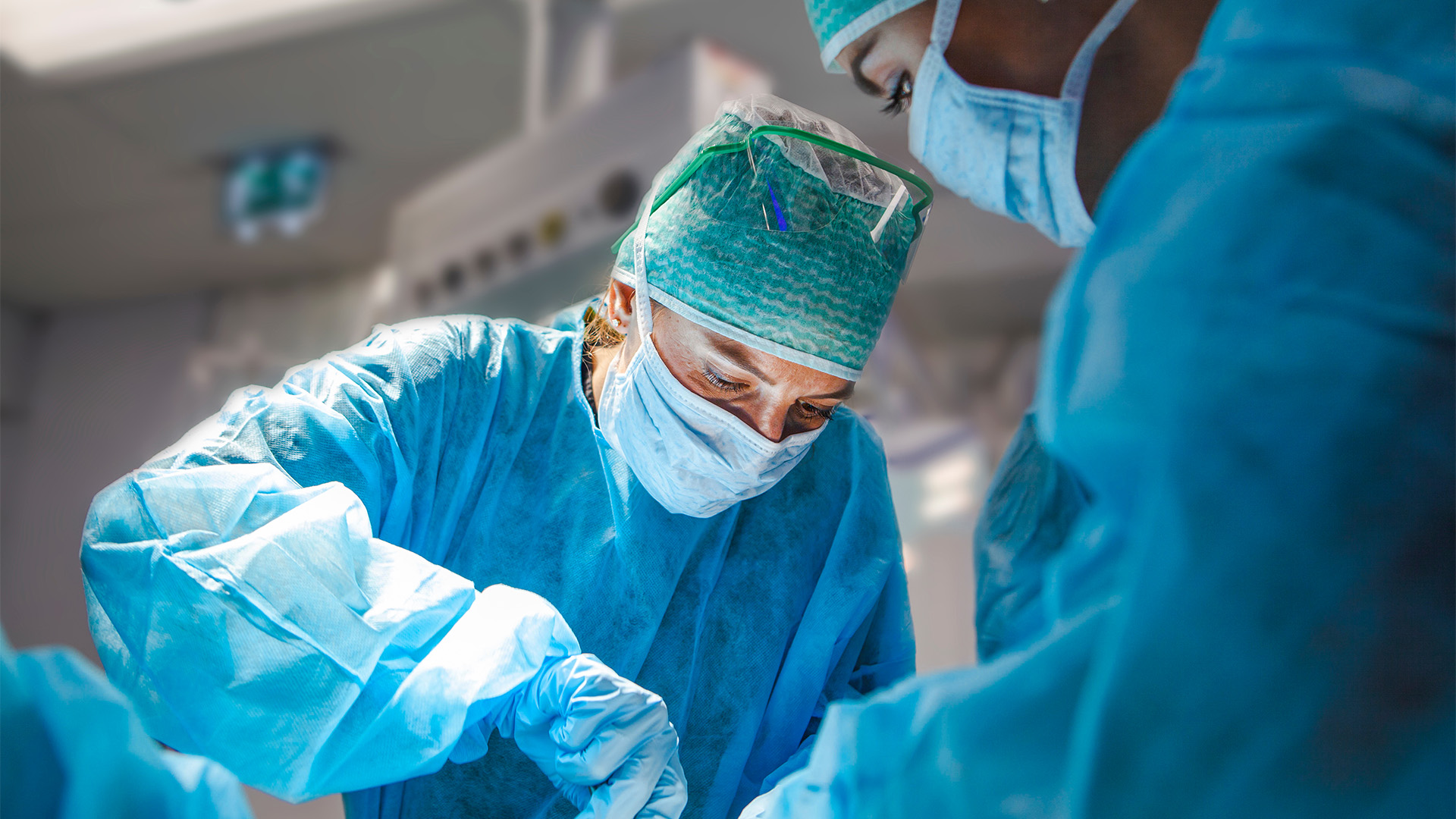
This video shows the resection of Ewing sarcoma of the seventh rib in a 17-year-old patient.
Clinical Presentation and Initial Treatment
Preoperative workout showed an 8 x 7 x 6 cm mass on the left costovertebral gutter, originating from the seventh rib and invading the sixth, seventh, and eighth ribs and the intercostal muscles. The mass extended to the fifth and sixth neural foramen.
An homolateral pleural effusion was present at diagnosis but never documented. Core-needle biopsies were performed through a paravertebral approach and were consistent with Ewing sarcoma (EWSR1::FLI1).
The patient underwent five cycles of vincristine, doxorubicin, and cyclophosphamide alternating with ifosfamide and etoposide (VDC/IE) regiment, with an excellent response.
Surgical Planning and Technique
Following the European Society for Medical Oncology (ESMO) guidelines, a multidisciplinary team (MDT) recommended complete surgical excision of all initially involved tissue. This consisted of resection of the sixth, seventh, and eighth ribs, extending to the sixth, seventh, and eighth vertebrae, along with the adjacent soft tissues, including the biopsy tract.
The authors usually perform the spinal resection in two different procedures. The first operation was conducted by the orthopedic team and involved spinal stabilization and vertebral osteotomies through a median posterior incision. One week later, a second surgery was performed for the oncological resection.
Combined Surgical Approach
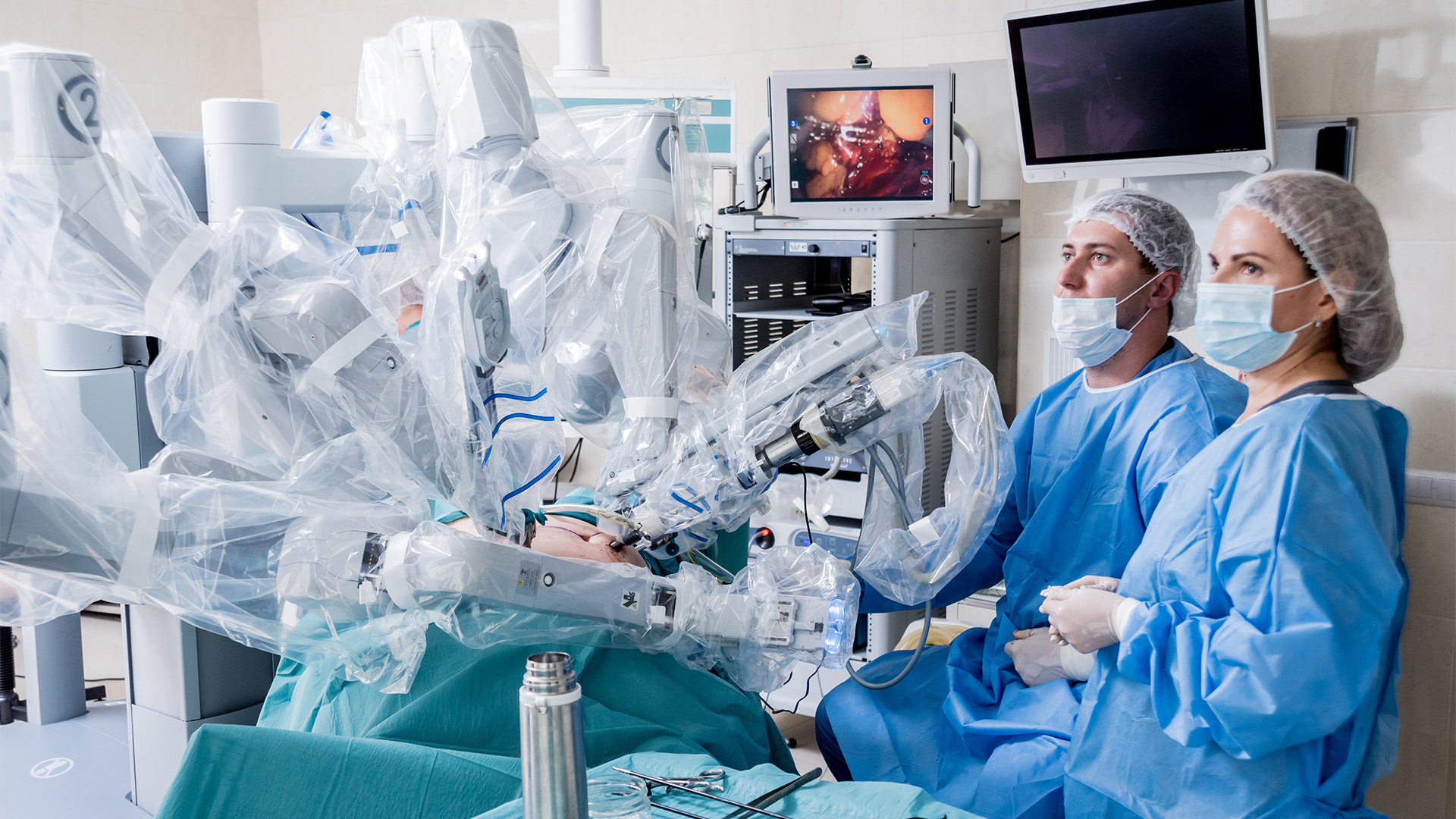
A combined approach was performed. An anterior approach using a robotic system was used to incise the soft tissue around the tumor, secure the margins, and remove the aorta from the vertebral bodies to complete the spinal resection.
A posterior approach was used to resect the biopsy tract and extract the specimen. A posterolateral thoracotomy was used without rib spreading and muscle section, as the tumor was entirely endothoracic.
Chest wall reconstruction was limited to placement of a simple Vicryl mesh, as the resection was extremely posterior and the muscles were spared, resulting in a limited parietal defect.
Postoperative Course
The postoperative course was marked by a urinary tract infection, and later a surgical back wound infection that required surgery. These complications temporarily interrupted the adjuvant chemotherapy.
Final pathology showed an R0 en bloc resection of Ewing sarcoma with no residual tumor in favor of a complete histological response.
The MDT recommended adjuvant chemotherapy with thoracic radiotherapy, considering the initial pleural effusion.
References
- Strauss SJ, Frezza AM, Abecassis N, et al. Bone sarcomas: ESMO–EURACAN–GENTURIS–ERN PaedCan Clinical Practice Guideline for diagnosis, treatment and follow-up. Ann Oncol. 2021;32(12):1520-1536. doi:10.1016/j.annonc.2021.08.1991
Disclaimer
The information and views presented on CTSNet.org represent the views of the authors and contributors of the material and not of CTSNet. Please review our full disclaimer page here.
 305 views on YouTube