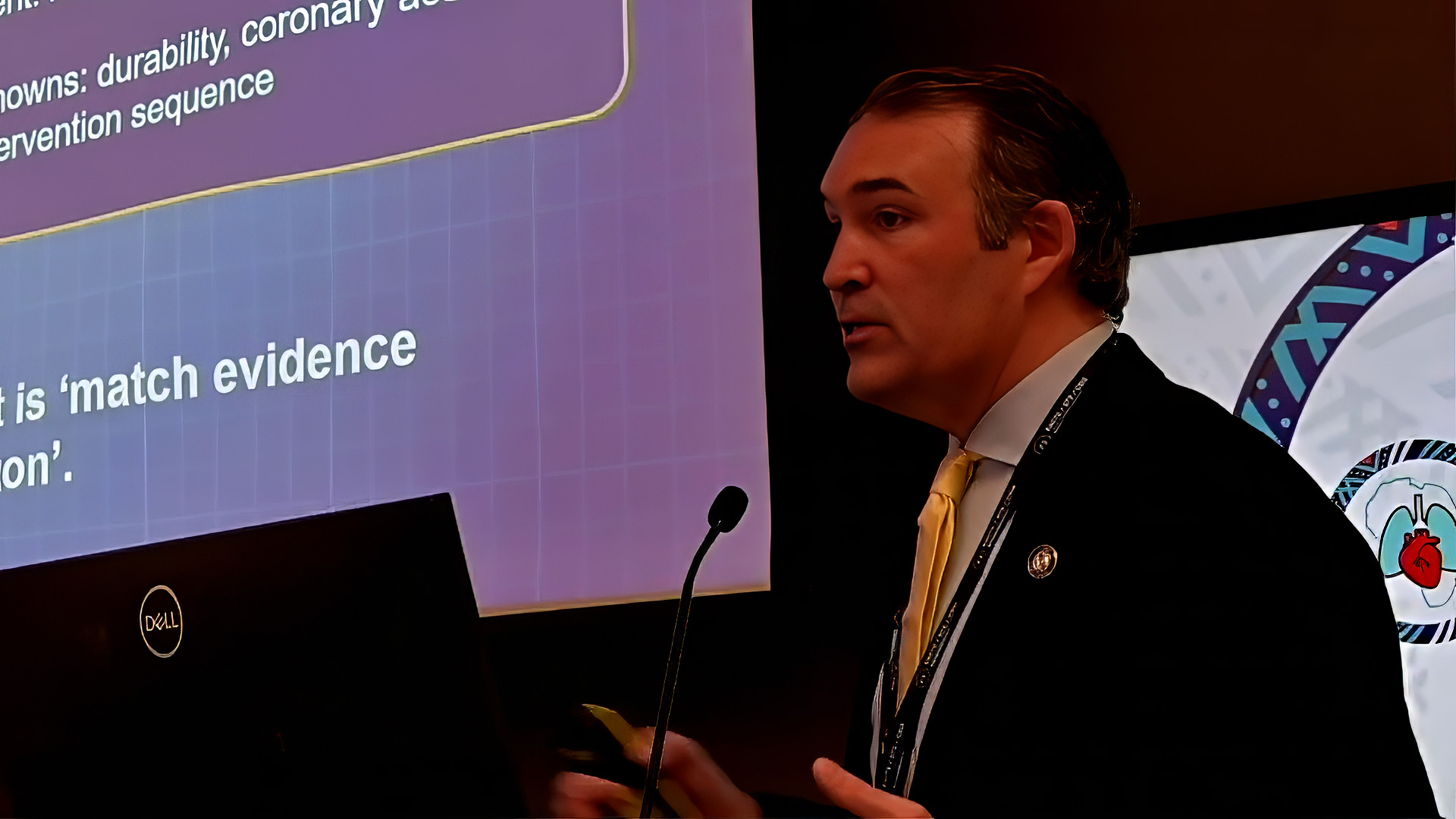
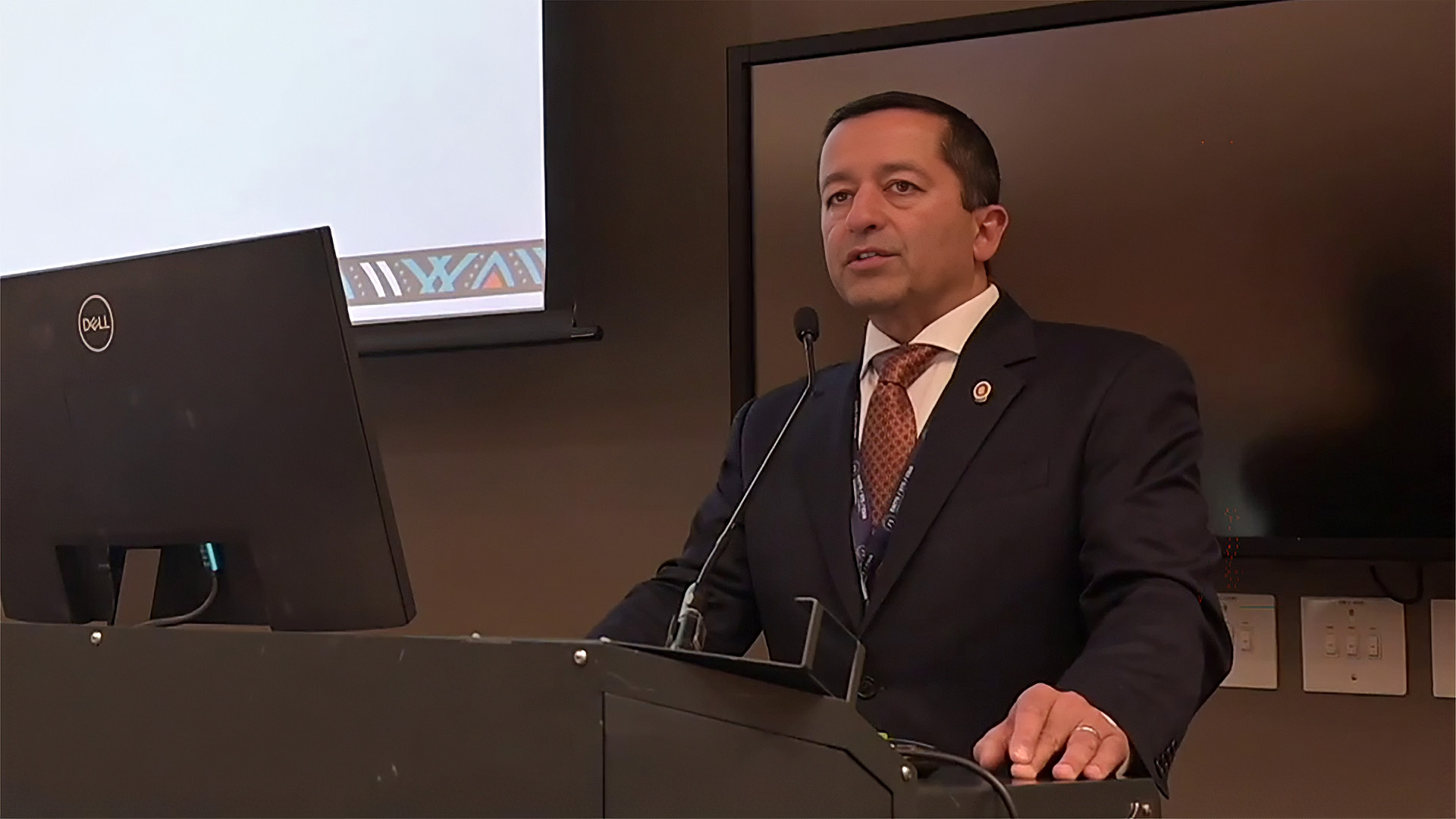
Jonathan Lilleker, a Senior Lecturer in Law at Teesside University, Middlesbrough, England, explains how the courts in England and Wales decide when a fatal medical error becomes a crime. Under Adomako, gross negligence manslaughter needs a duty of care, a breach of that duty, causation of death, and conduct bad enough to deserve criminal punishment. That last step is decided by the jury, and he argues that the test is circular and leaves juries relying on gut instinct.
Later cases have tightened it. David Sellu v The Crown requires the conduct to be “truly exceptionally bad,” while Rose and R v Broughton require a serious, obvious risk of death that was “striking and glaring” at the time of the breach, judged without hindsight. Using R v Bawa-Garba as an example, he points out how often systemic failures sit behind these cases. He suggests that corporate liability would be fairer than blaming individuals, but notes that no National Health Service trust has yet been successfully prosecuted.
More presentations from the 2026 Heart Surgery and the Law conference are available here.
Disclaimer
The information and views presented on CTSNet.org represent the views of the authors and contributors of the material and not of CTSNet. Please review our full disclaimer page here.
 4 views on Vimeo