


Minimally Invasive Surgery


This single-center retrospective study examined 418 intent-to-treat hybrid coronary revascularization (HCR) patients undergoing robotic beating-heart totally endoscopic coronary artery bypass (TECAB) from 2013 to 2025, comparing those who completed planned percutaneous coronary intervention (PCI) with...
In this single-center propensity-matched analysis of 659 patients undergoing minimally invasive direct coronary artery bypass (MIDCAB), bilateral internal mammary artery grafting achieved short- and mid-term clinical outcomes comparable to single...

This talk features Joerg Kempfert, Senior Consultant Cardiac Surgeon, Department of Cardiothoracic and Vascular Surgery, German Heart Center, Berlin, Germany, presenting on “Endoscopic Team Training and Surgeon Mentorship: My Personal...

A 27-year-old male previously underwent bilateral T2–T3 sympathicotomy for severe palmar hyperhidrosis. Compensatory hyperhidrosis involving the trunk developed one year after the initial procedure and progressively became debilitating. Seven years...

 …
…CTSNet hosted a webinar on September 15, 2026, titled “The TAVR Heart Team in 2026: Navigating the CMS Decision,” featuring leading surgeons Tom B. Nguyen, Michael Mack, and Tsuyoshi Kaneko,...
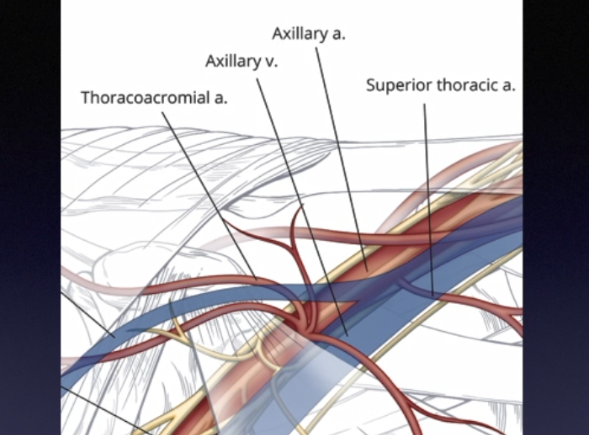
The authors review axillary artery cannulation indications and technique. They focus on the relevant anatomy, surgical preparation, and cannulation technique. They also show their approach for reoperative axillary artery cannulation...
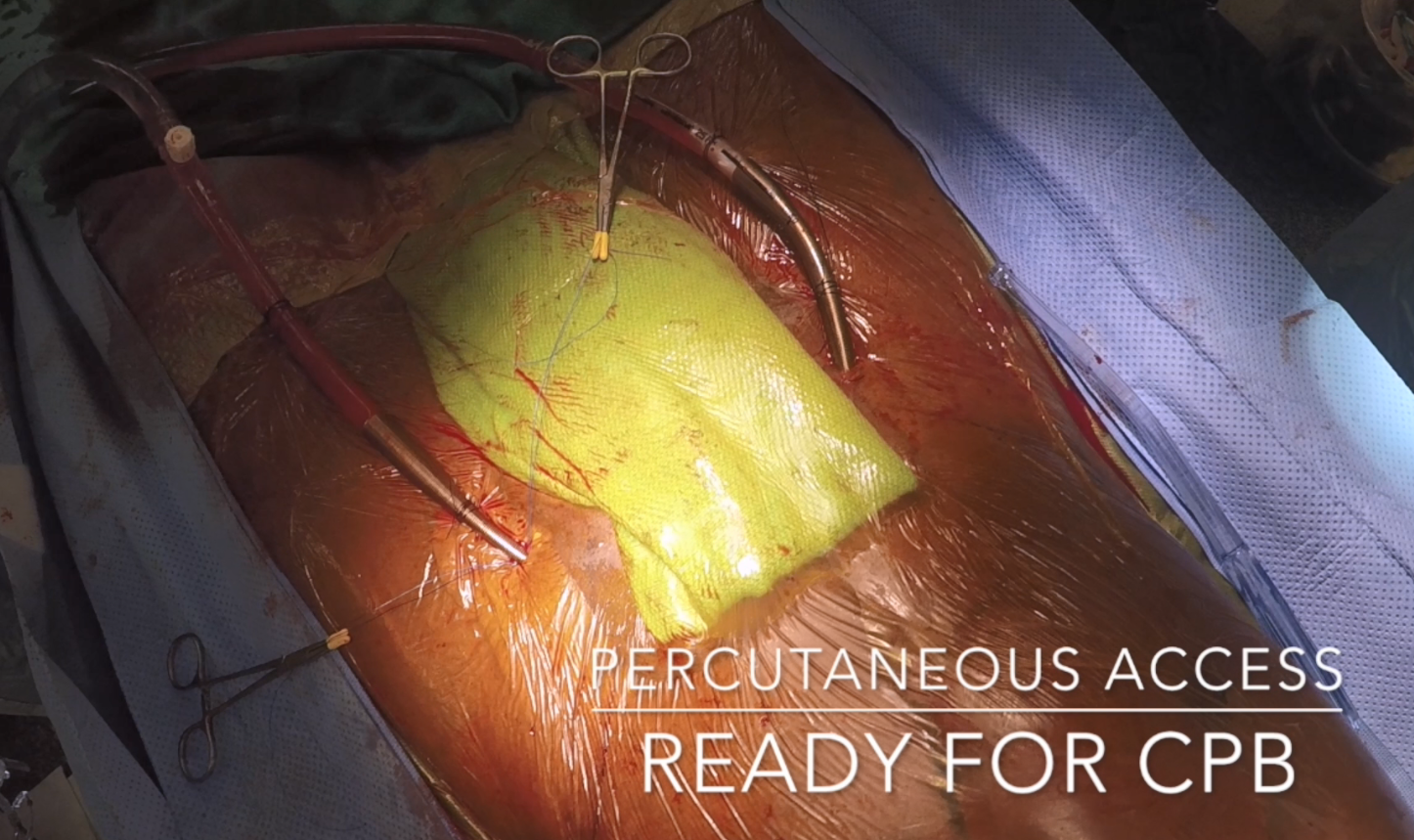
This video demonstrates a step-by-step technique for percutaneous and open femoral cannulation for peripheral cardiopulmonary bypass. Femoral cannulation is the authors’ preferred platform for cardiopulmonary bypass when performing minimally invasive...

The authors have previously described a parenchymal-sparing sleeve resection of the bronchus intermedius for isolated strictures (1). Recently, they described a robotic parenchymal-sparing bronchus intermedius sleeve resection in a patient...
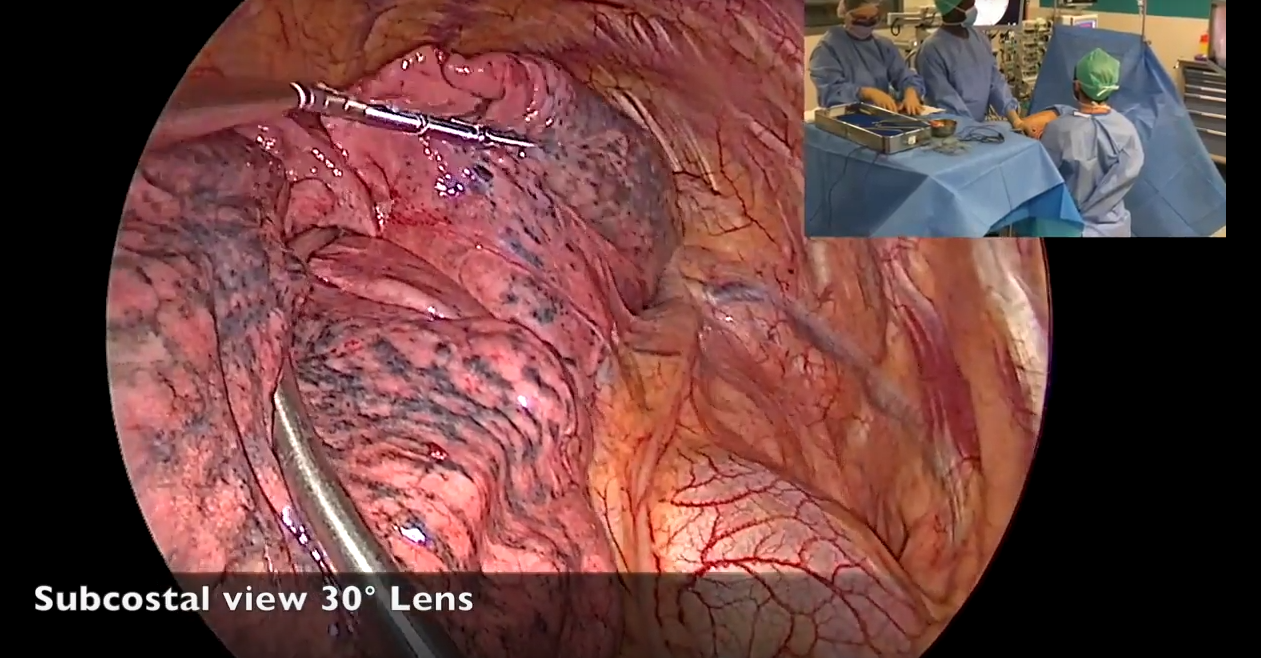
This video demonstrates a right upper lobectomy through a subxiphoid biportal approach. The authors use a biportal approach, divided in a 4 cm working port through a paramedian incision and...
Hata and colleagues performed a propensity score-matched analysis comparing 85 pairs of patients who underwent either minimally invasive mitral valve repair or chordal-sparing replacement for degenerative mitral valve regurgitation. Freedom...
Malvindi and colleagues assessed the outcomes of aortic clamping strategies, either transthoracic cross-clamp (TTC, n = 165) or endoaortic balloon occlusion (EAO, n = 93) for patients undergoing minimally invasive...

Prakash P. Punjabi of the Imperial College in London, UK, presents the argument for conventional approaches for the treatment of mitral valve disease. This presentation was originally given during the...

Enoch Akowuah of the James Cook Hospital in Middlesbrough, UK, discusses key aspects of the UK Mini Mitral Trial and sets the scene for a debate on median sternotomy versus...