


Robotic-Assisted

This comprehensive discussion focuses on robotic coronary artery bypass grafting (CABG), including the challenges and benefits of establishing a robotic CABG program, clinical trials, and the evolution of CABG with advanced technologies. This important roundtable...
This comprehensive discussion focuses on robotic coronary artery bypass grafting (CABG), including the challenges and benefits of establishing a robotic CABG program, clinical trials, and the evolution of CABG with...

Resection of locally advanced lung cancer after neoadjuvant chemoimmunotherapy can be technically challenging when induction therapy yields minimal radiographic response and the tumor abuts or occludes the hilar structures. Dense...

In this episode of The Atrium, host Alice Copperwheat speaks with Bernard Park, Deputy Chief of Clinical Affairs of the Thoracic Service at Memorial Sloan Kettering Cancer Center, New York,...

In this episode of The Cardiac Recovery Room, moderator Rawn Salenger, Chief of Cardiac Surgery at the University of Maryland St. Joseph Medical Center, USA, spoke with T. Sloane Guy,...

A 27-year-old male previously underwent bilateral T2–T3 sympathicotomy for severe palmar hyperhidrosis. Compensatory hyperhidrosis involving the trunk developed one year after the initial procedure and progressively became debilitating. Seven years...


 …
This week on The Beat, CTSNet Editor-in-Chief Joel Dunning spoke with James Cox, Professor of Cardiac Surgery at the Feinberg School of Medicine at Northwestern Medicine in Chicago, Illinois, USA,...

This study evaluated the Autonomous Blood Drawing Optimization and Performance Testing (ADOPT) trial, which assessed the performance, safety, and patient experience of an autonomous robotic phlebotomy device (ARPD) utilizing multimodal...

This week on The Beat, CTSNet Editor-in-Chief Joel Dunning spoke with Taj Mohammed Fiyaz Chowdhry, a consultant thoracic surgeon at Burjeel Specialty Hospital, Sharjah, UAE, about uniportal robotics in the...
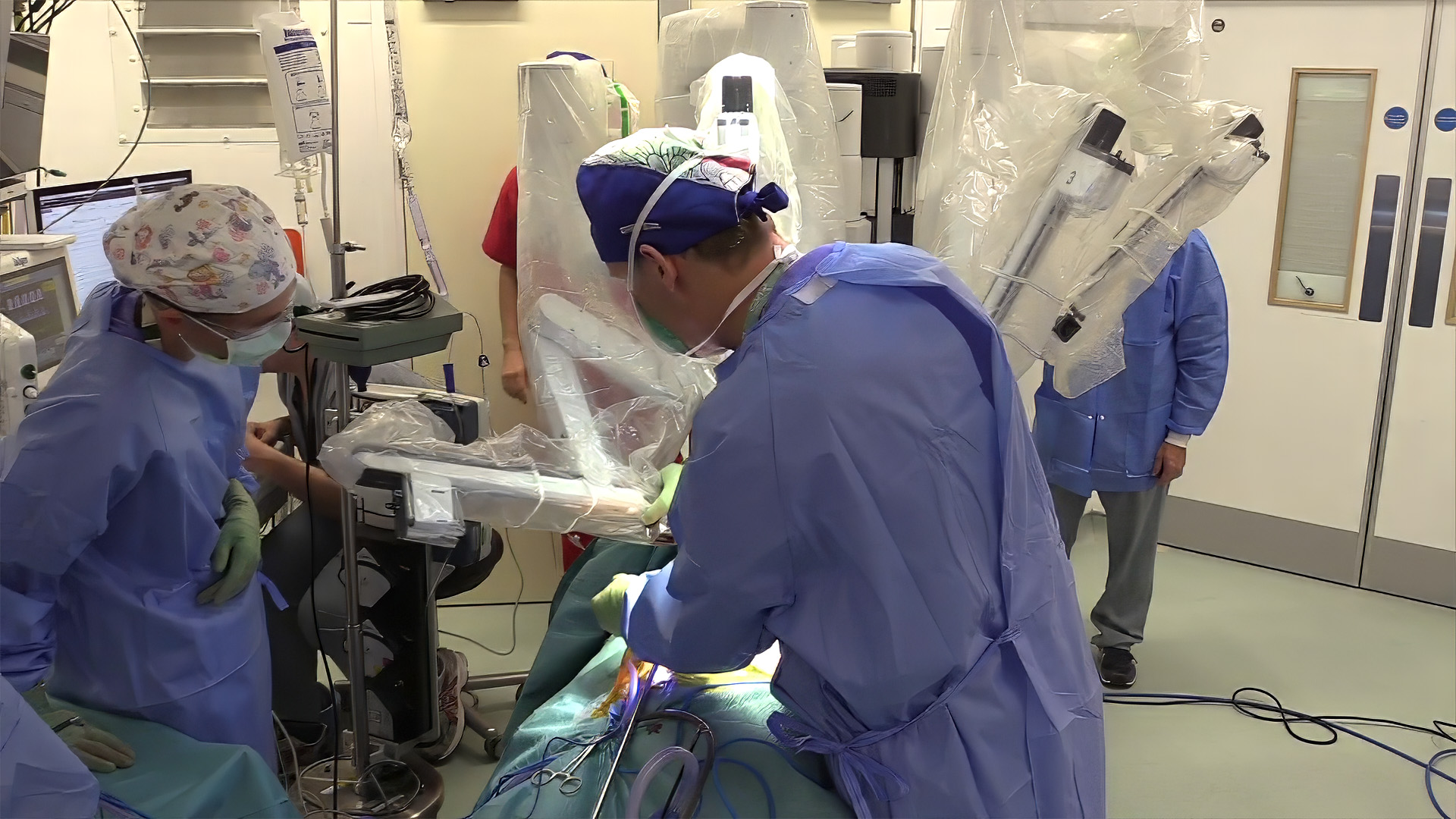
This video demonstrates the implantation of bilateral phrenic nerve pacing leads using a robotic subxiphoid approach without lung isolation. This approach was utilized because the patient presented with central hypoventilation...

A 63-year-old woman presented with myasthenia crisis and ptosis, for which she was treated with immunoglobulin. Her medical history included type 2 diabetes mellitus (DM), hypertension, and hypothyroidism. A computed...
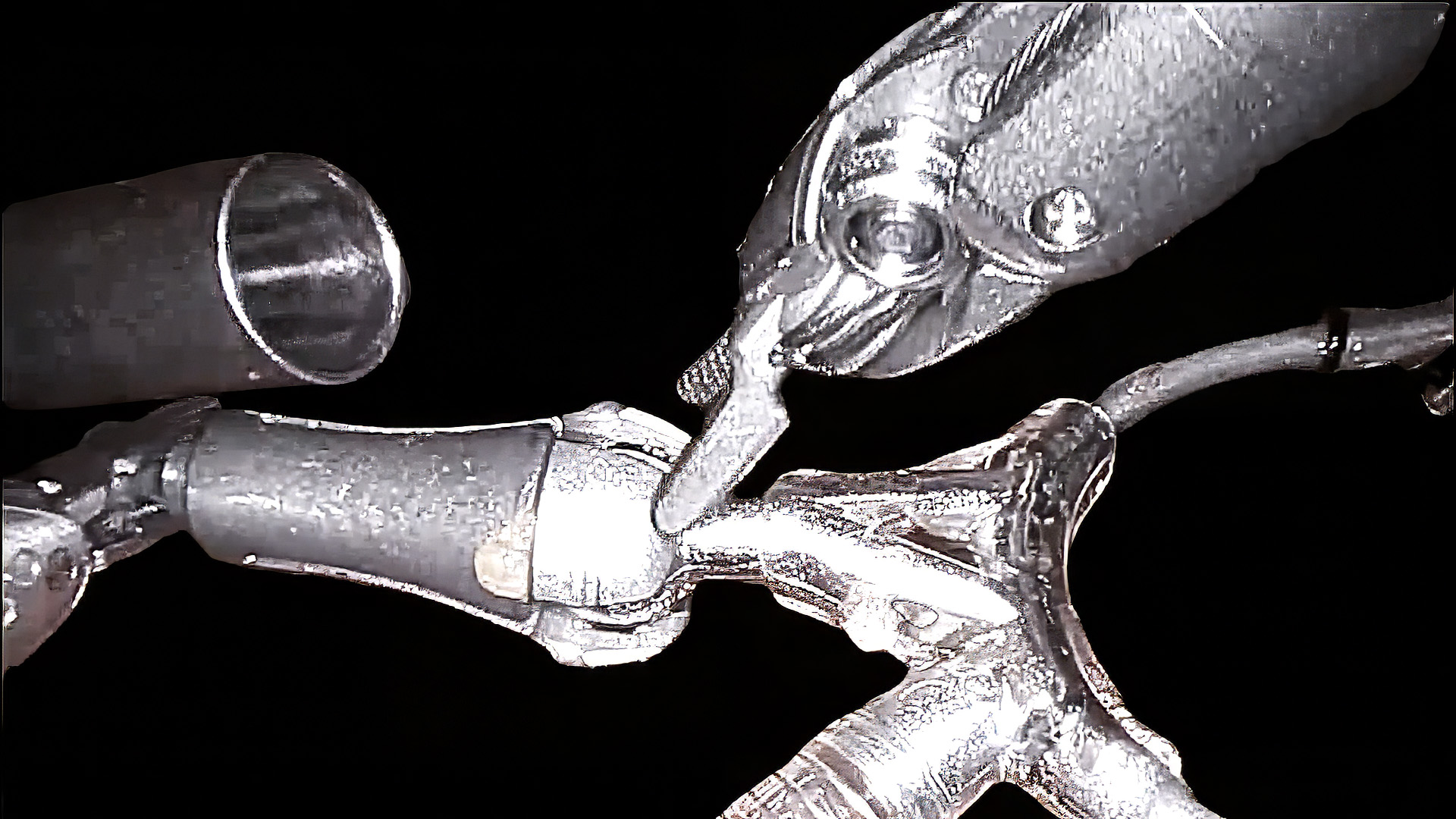
The patient was a 67-year-old man who was referred for surgical revascularization of coronary artery disease. Three months earlier, he had undergone emergency percutaneous coronary intervention (PCI) to the right...
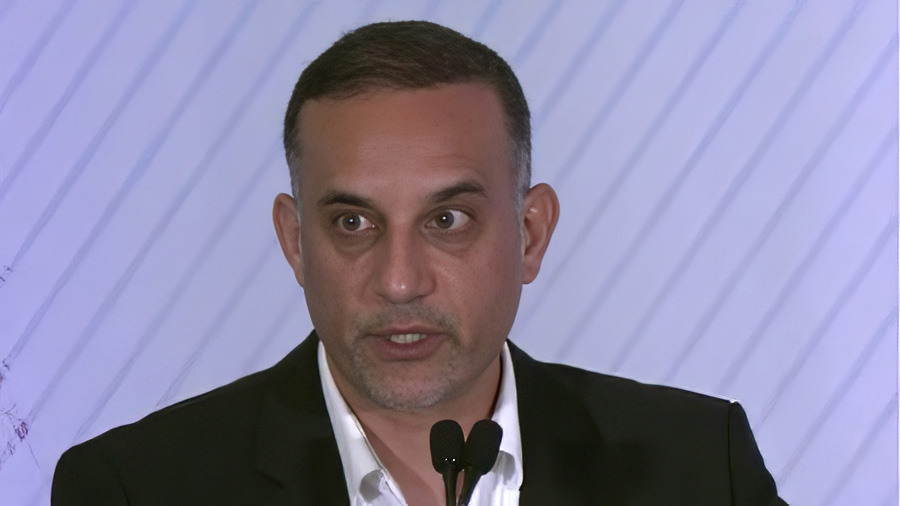
This cardiac session features leading surgeons providing updates on imaging, robotics, and autonomy at the International Society for Minimally Invasive Cardiothoracic Surgery Annual Scientific Meeting 2026. To begin, Feras Khaliel,...