This video submission is from the 2025 CTSNet Innovation Video Competition. Watch all entries from the competition, including the winning videos.
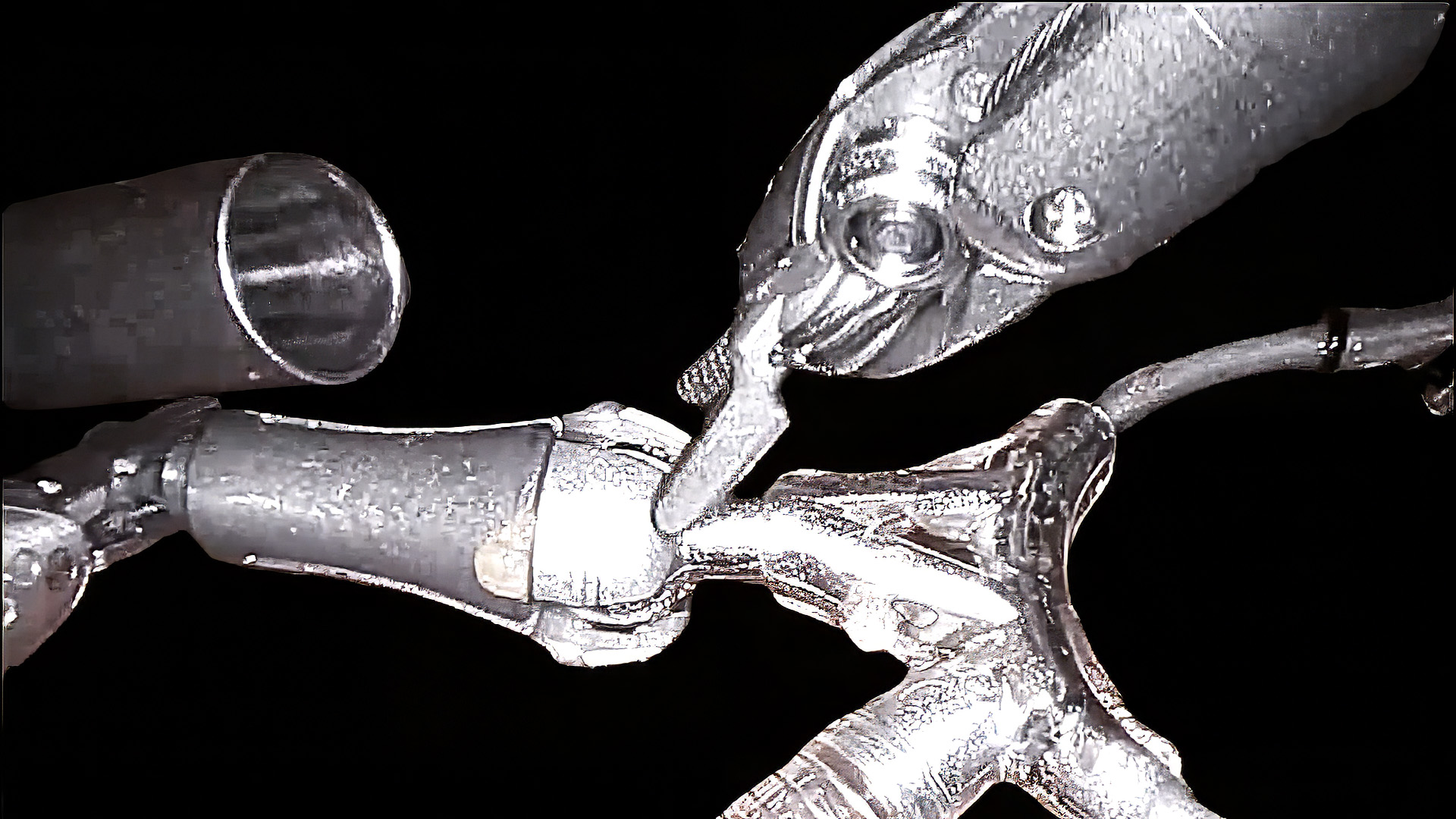
The integration of mixed reality (MR) into robotic thoracic surgery represents a transformative step toward enhanced precision, safety, and standardization in complex procedures. By merging 3D planning with MR tools and advanced imaging platforms, surgeons can interact with patient-specific anatomical reconstructions in real-time, enhancing both surgical preparedness and intraoperative confidence.
Unlike conventional 3D models displayed on screens, mixed reality allows a fully immersive exploration of the anatomy, improving spatial understanding, aiding in the mental rehearsal of procedures, and reducing the cognitive gap between planning and execution. This becomes especially valuable in high-volume centers, where surgical standardization is key and the margin for error in complex lung resections or chest wall reconstructions is minimal.
Beyond its intraoperative applications, MR also plays a pivotal role in accelerating the learning curve for young surgeons. By providing an augmented training environment that blends simulation with real clinical anatomy, this technology strengthens anatomical knowledge, supports procedural anticipation, and fosters safer, more confident decision-making.
Whether applied to segmentectomies, chest wall tumors, or other advanced thoracic procedures, MR empowers teams to plan more effectively and operate with enhanced precision. As this technology becomes more accessible, it promises not only to elevate surgical outcomes but also to redefine how thoracic surgery is taught and practiced.
References
- Le Moal J., Peillon C., Dacher J.N., Baste J.M. Threedimensional computed tomography reconstruction for operative planning in robotic segmentectomy: a pilot study. Journal of Thoracic Disease. 2018;10(1):196–201.
- Baste J.M., Soldea V., Lachkar S., Rinieri P., Sarsam M., Bottet B., Peillon C. Development of a precision multimodal surgical navigation system for lung robotic segmentectomy. Journal of Thoracic Disease. 2018 Apr;10(Suppl 10):S1195–S1204.
- Mordojovich G, Baste JM, et al. New standardized five-zone lobectomy with structured assessment in robotic surgery: the French lobectomy. J Thorac Dis 2025;17(4):2718-2729 | https://dx.doi.org/10.21037/jtd-24-1755
Disclaimer
The information and views presented on CTSNet.org represent the views of the authors and contributors of the material and not of CTSNet. Please review our full disclaimer page here.
 128 views on Vimeo