This video submission is from the 2025 CTSNet Instructional Video Competition. Watch all entries from the competition, including the winning videos.
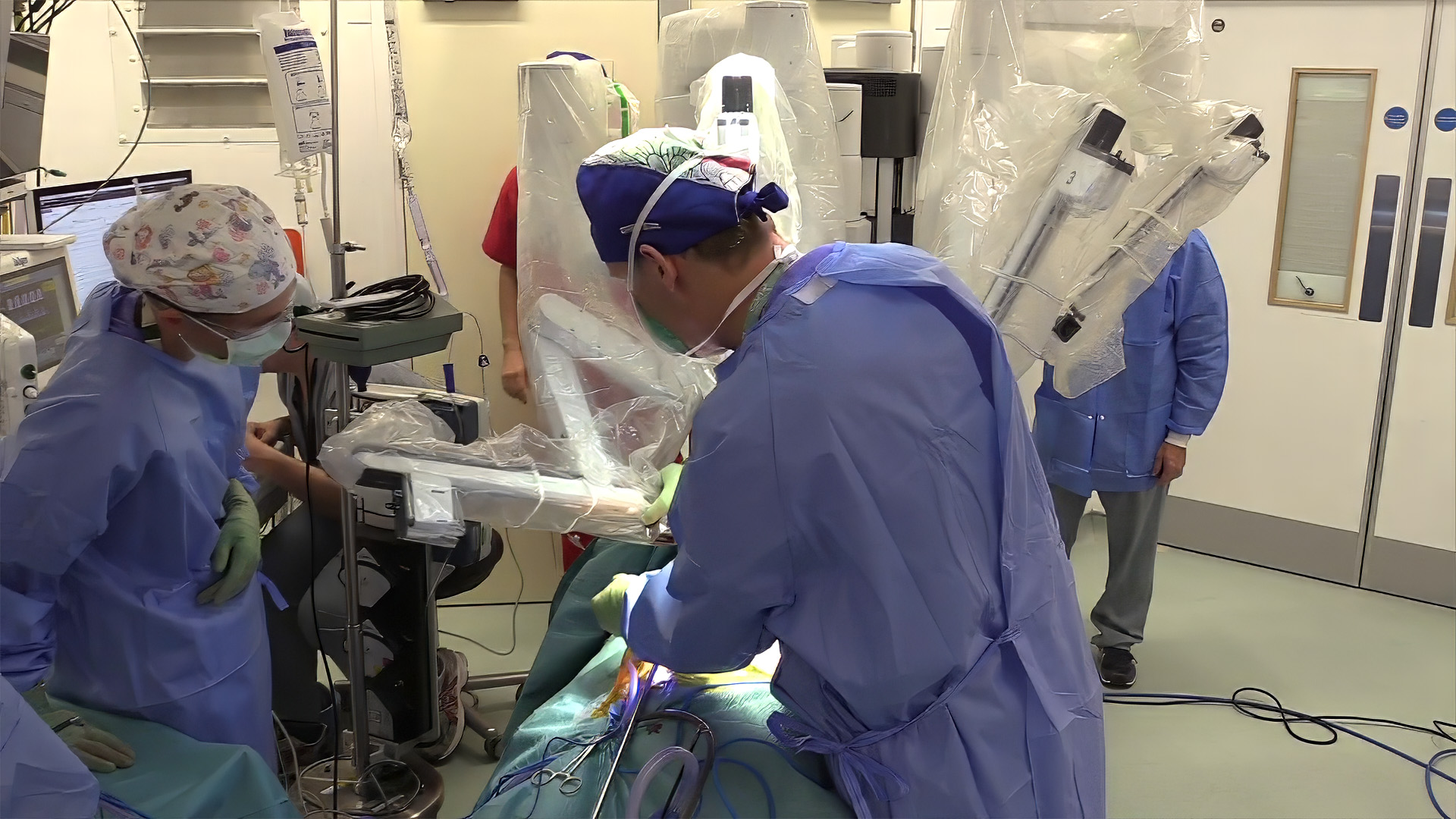
The patient was a 43-year-old male with no past medical history who developed persistent dyspnea after a viral illness. Workup was notable for an elevated left hemidiaphragm on chest X-ray. After a trial of conservative management, he was taken to the operating room for a robotic approach to radial plication of his paralyzed diaphragm. The radial technique is less commonly used and more time-consuming than central plication. However, the radial approach provides more even distribution of tension across multiple points of fixation and incorporates the paralyzed muscle into the pleats, theoretically leading to a more durable repair, which was critical for this healthy and active young patient.
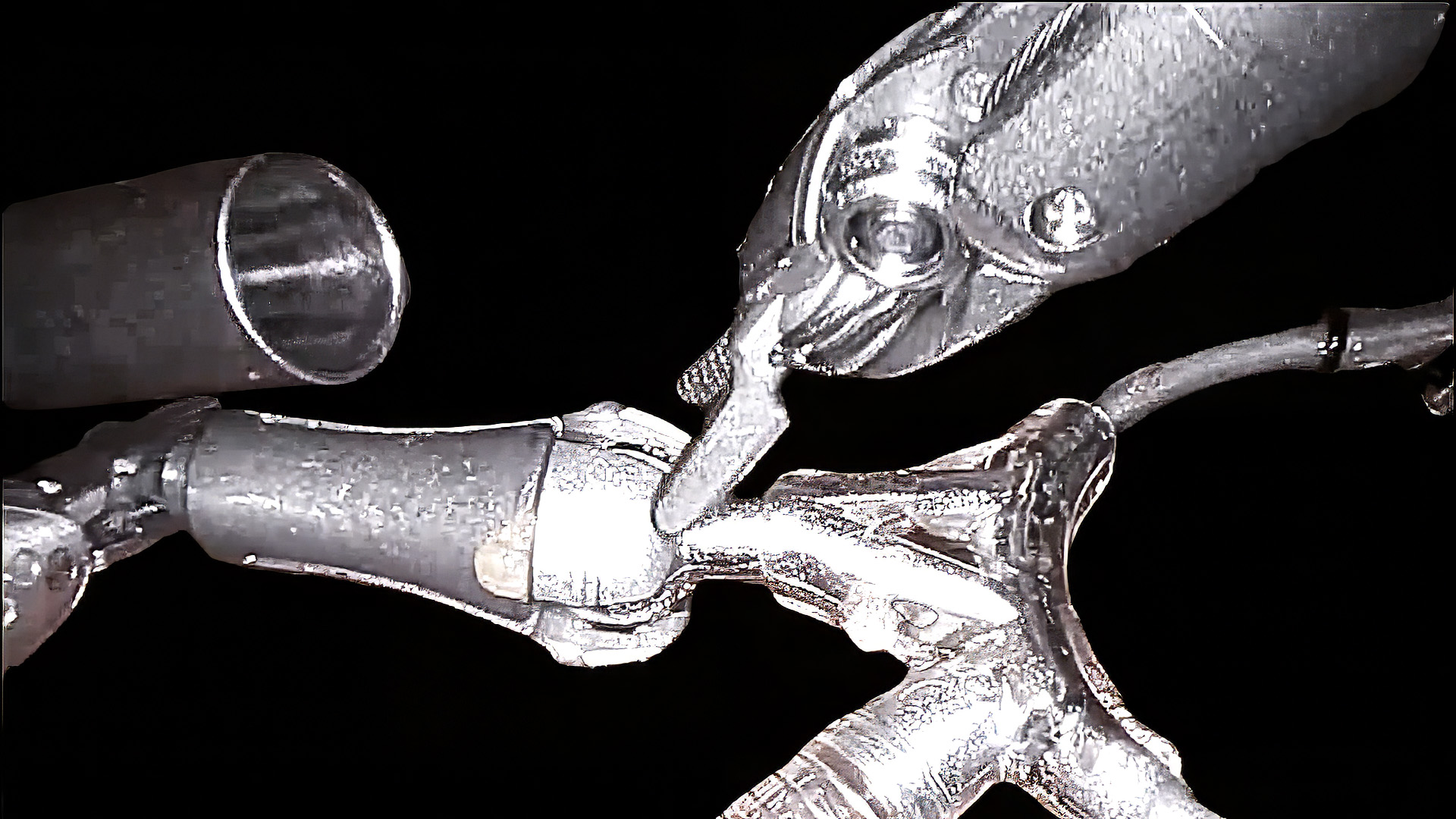
Four 8 mm robotic ports were placed along the seventh intercostal space, with an additional assist port placed in the anterior axillary line for passing sutures into the chest. Plication began at the most posterior aspect of the diaphragm for ease of sewing. An O-Ethibond suture was used to create a horizontal mattress stitch. The first bite of each stitch was taken just lateral to the central tendon to avoid injury to the phrenic nerve branches. It was run from this point toward the chest wall, at which time an anchoring pledget was incorporated, and the suture was run back toward its origin, parallel to itself. Once the central tendon was reached, an additional pledget was placed, and the suture was tied while cinching toward the lateral chest wall. It was critical to lift the muscle of the diaphragm with each bite to avoid inadvertent injury to the visceral organs below the diaphragm. As sutures were sequentially placed approximately 2 cm apart along the diaphragm, it began to flatten and have a taut appearance. Once this was achieved, a simple running reinforcement stitch was placed over the pleats along the lateral chest wall to reinforce the repair.
The patient was discharged on postoperative day two. He was seen in clinic six weeks later, with a chest X-ray demonstrating decreased elevation of the left hemidiaphram and subjective resolution of his dyspnea.
References
- Steimer D, DeBarros M, Marshall MB, Jaklitsch M. Thoracoscopic Radial Diaphragm Plication. Ann Thorac Surg. 2022 Sep;114(3):e227-e230. doi: 10.1016/j.athoracsur.2021.11.037. Epub 2021 Dec 22. PMID: 34951968.
- Jaklitsch MT. Plication of the Diaphragm from Above. In: Sugarbaker DJ, Bueno R, Burt BM, Groth SS, Loor G, Wolf AS, Williams M, Adams A. eds. Sugarbaker’s Adult Chest Surgery, 3e. McGraw-Hill Education; 2020.
Disclaimer
The information and views presented on CTSNet.org represent the views of the authors and contributors of the material and not of CTSNet. Please review our full disclaimer page here.
 419 views on Vimeo