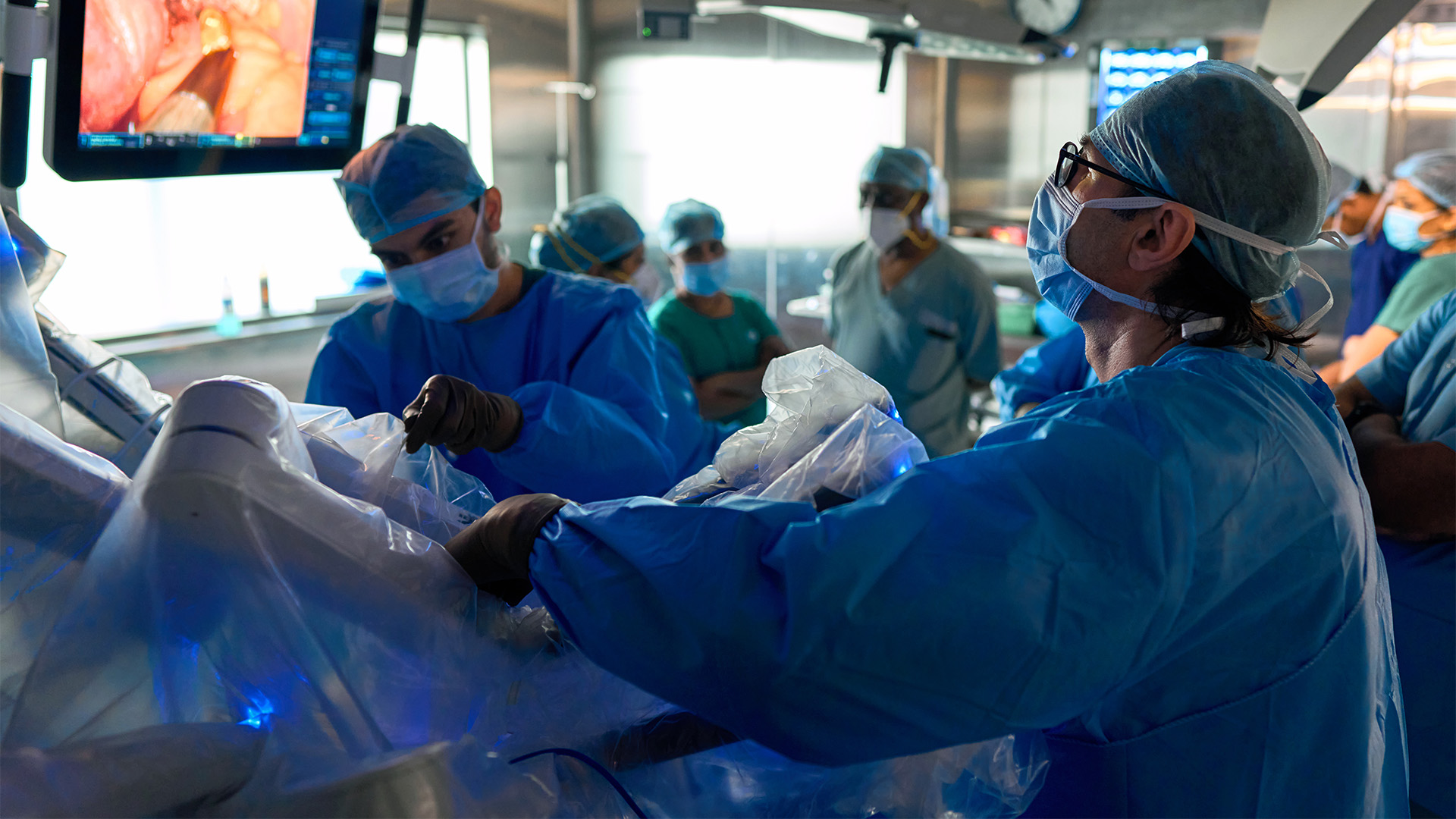
This video is one of the top 10 entries from the 2025 Endoscopic Cardiac Surgeons Club Video Competition. More videos featuring these outstanding presentations will be showcased in the coming weeks.
The patient was a 79-year-old male with dyspnea and a history of acute myocardial infarction 12 months prior, at which time he underwent right ventricular repair for a free wall rupture, and a small ventricular septal defect (VSD) had been left. Over the year, the patient’s VSD, which was located close to the base of the heart, worsened, and the patient experienced New York Heart Association (NYHA) class III symptoms. The shunt was through a 2 cm hole, accompanied by torrential tricuspid regurgitation.
The endoscopic approach involved femoral cannulation and a three-port system with a two-stage venous cannula. The adhesions in the chest and pericardium were lysed. A left ventricular vent was placed. The heart was arrested with a cross-clamp and antegrade cardioplegia. The right atrium was opened, and the endoscope was used to explore the right ventricle. The orifice of the VSD was identified after cutting some trabeculations. A single patch technique was used to close the hole, given the sturdy edges of the orifice. Dacron was used to patch the orifice using mattress Prolene pledgeted sutures. The tricuspid valve was then repaired, and the right atrium was closed. The patient made a full recovery and was discharged on postoperative day seven. Two years later, the patient developed functional mitral regurgitation, which was repaired with a transcatheter edge-to-edge repair (TEER). The patient remained in NYHA class l one year after his interventions.
Disclaimer
The information and views presented on CTSNet.org represent the views of the authors and contributors of the material and not of CTSNet. Please review our full disclaimer page here.
 471 views on Vimeo
 793 views