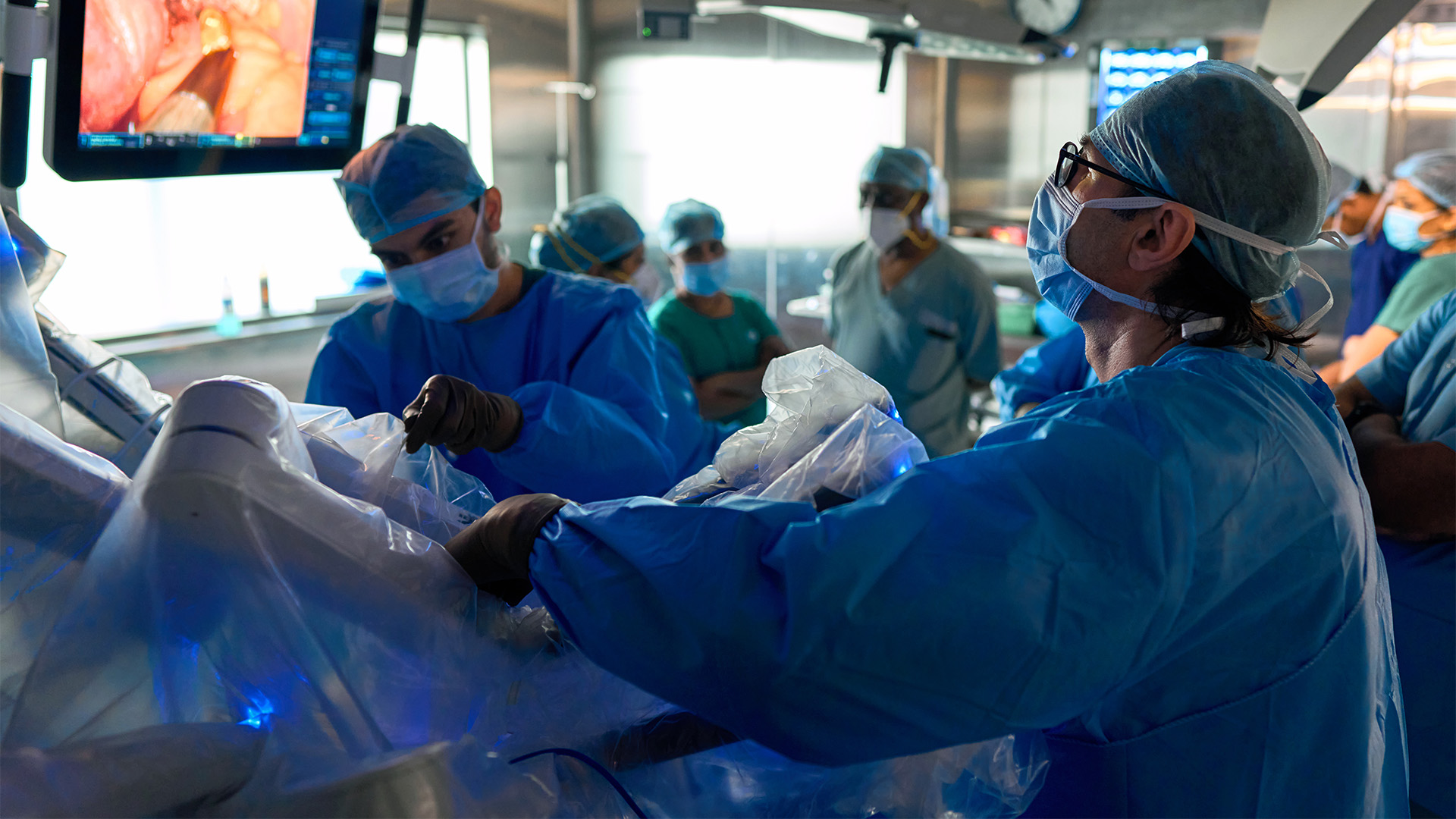
This video is one of the top 10 entries from the 2025 Endoscopic Cardiac Surgeons Club Video Competition. More videos featuring these outstanding presentations will be showcased in the coming weeks.
In this video, the authors demonstrate an approach to robotic surgery with fibrillatory arrest. For these cases, continuous CO2 insufflation was used in the right chest. The first case involved a 78-year-old patient with a history of prior surgery. The patient had endocarditis of the mitral valve. The operation was carried out robotically, with adhesions being taken down and the bypass grafts protected. The heart was fibrillated at 28 degrees Celsius. The left atrium was opened, and the mitral valve was found to have severe damage from infection. The valve was resected and replaced with a bioprosthesis. Prevention of left ventricular distention was the most crucial aspect during the implantation of the prosthesis. The closure of the left atrium was performed with two vents, one in the left atrium and one in the ventricle.
The second case involved an 83-year-old male with a history of prior coronary artery bypass grafting (CABG) and mitral and tricuspid surgery. The patient had a paravalvular leak of the mitral valve. During the robotic approach, the paravalvular leak was identified, and the repair of the orifice was carried out using pledgeted sutures with a beating heart technique. The repair was successful. The patient was discharged on postoperative day 10 and during two years of follow-up, he was found to be doing well.
Disclaimer
The information and views presented on CTSNet.org represent the views of the authors and contributors of the material and not of CTSNet. Please review our full disclaimer page here.
 398 views on Vimeo
 900 views