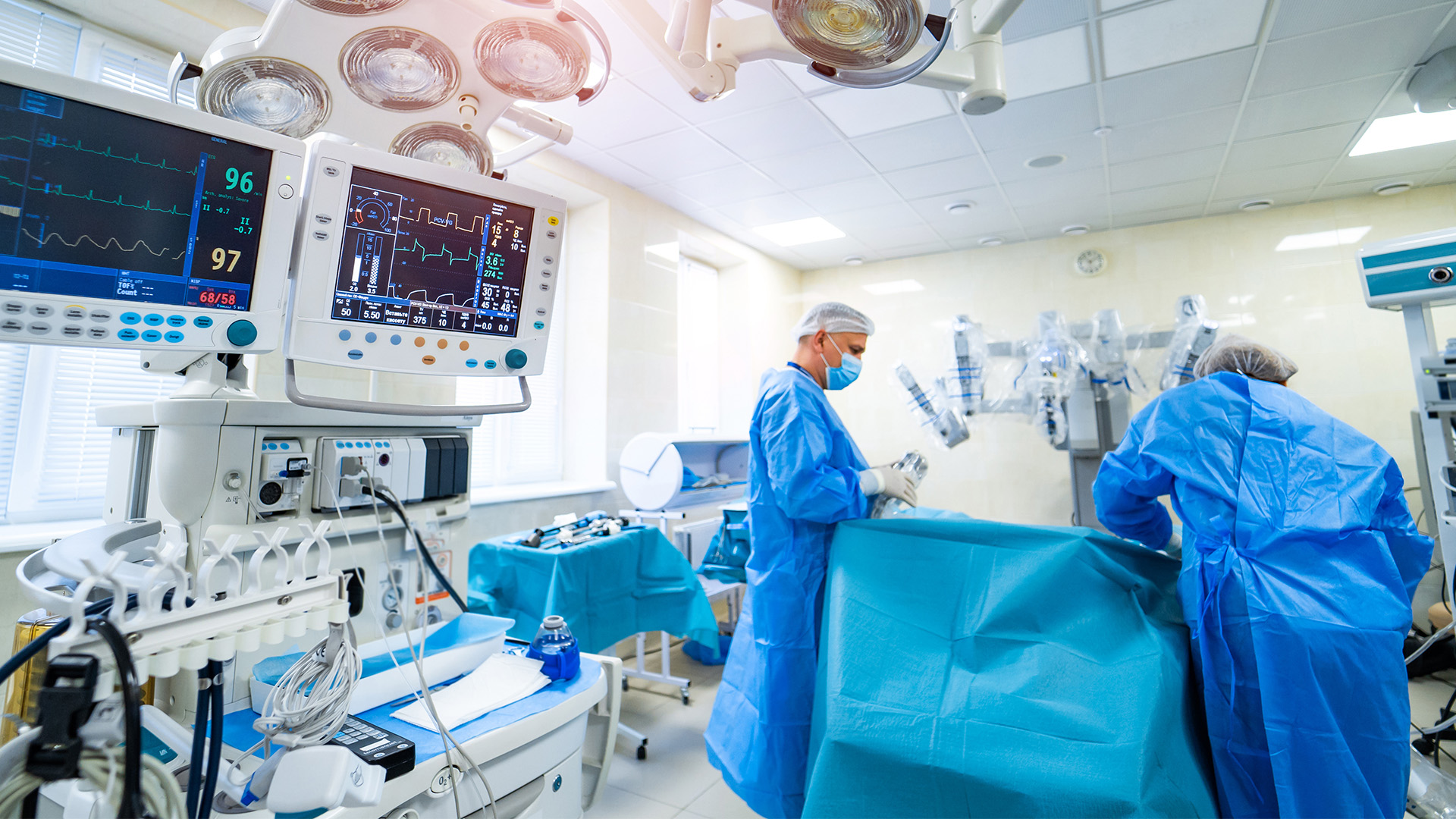
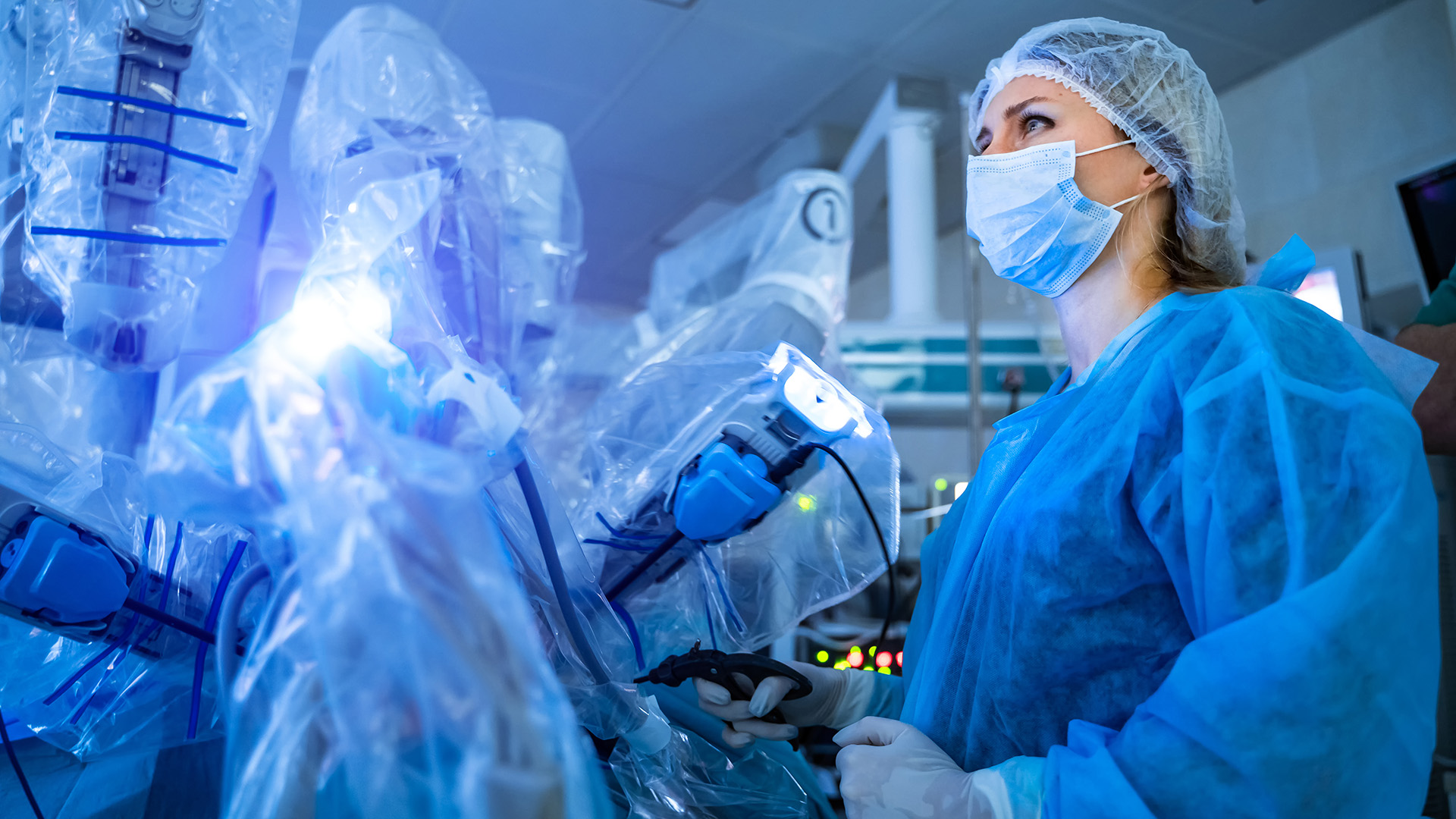
The authors present a case of open cutdown cannulation of the right common carotid artery for cardiopulmonary bypass (CPB) using the semi-Seldinger technique.
A 65-year-old man presented with chest pain on minimal exertion, intermittent claudication, weakness, and general fatigue. His medical history included diabetes mellitus, atrial fibrillation, chronic lower limb ischemia, and right internal carotid artery stenosis confirmed by ultrasound. Coronary angiography demonstrated multivessel coronary artery disease, and the patient was scheduled for minimally invasive coronary artery bypass grafting (CABG). Preoperative whole-body contrast-enhanced computed tomography (CT) confirmed critical stenosis of the right internal carotid artery with a closed circle of Willis. Right internal carotid endarterectomy was, therefore, added to the operative plan. The CT also revealed dissection of the right subclavian artery, severe atherosclerotic disease of the descending aorta, and bilateral femoral artery dissections.
In the authors’ practice, peripheral arterial cannulation is typically performed via the femoral or right axillary artery for minimally invasive thoracotomy CABG (TCRAT-CABG). In this case, both options were considered unsafe due to the vascular pathology. As carotid endarterectomy was already indicated, the right common carotid artery was selected for arterial cannulation, with venous drainage via the right femoral vein.
Operative Technique
The right common carotid artery was exposed, along with the right internal and external carotid arteries, for endarterectomy. An 18 French arterial cannula was inserted into the right common carotid artery, approximately 5 cm distal to the incision, directed toward the ascending aorta. Right femoral venous cannulation was performed. After initiating CPB, carotid endarterectomy was completed, followed by total coronary revascularization via a left anterior thoracotomy (TCRAT) with three distal anastomoses.
Outcome
The patient was extubated after five hours of mechanical ventilation in the intensive care unit (ICU), with no neurological deficits. The postoperative course was uneventful, and the patient was discharged home on postoperative day six.
Disclaimer
The information and views presented on CTSNet.org represent the views of the authors and contributors of the material and not of CTSNet. Please review our full disclaimer page here.
 1212 views on Vimeo