


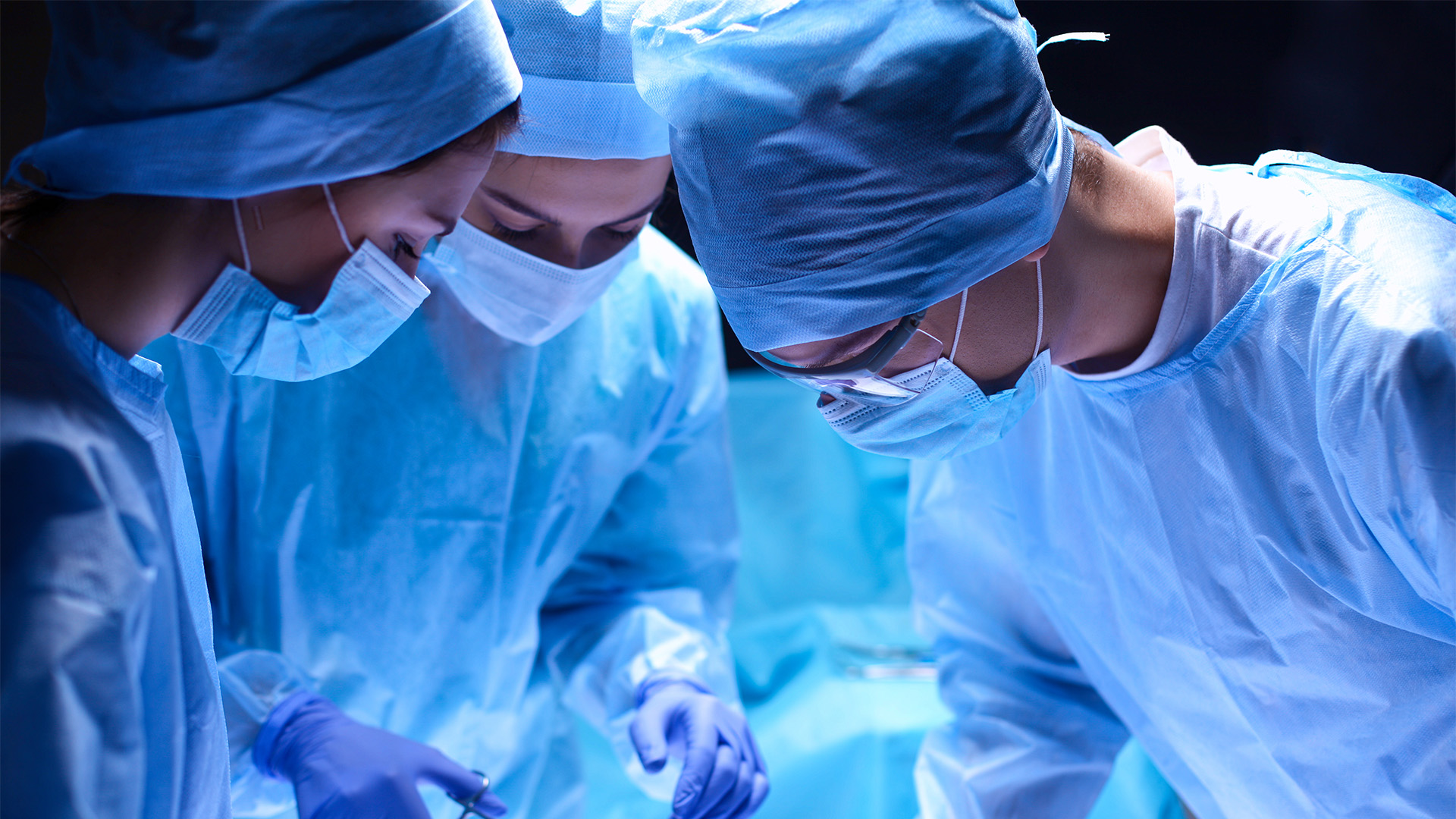
The takedown of the Internal Thoracic Artery (ITA) represents the cornerstone of surgical revascularization. The ITA is employed in almost all patients to graft the left anterior descending (LAD) artery. In general, this conduit is harvested as a pedicle along with the endothoracic fascia, satellites veins, and surrounding tissues. An alternative approach is to harvest the ITA alone, a method known as skeletonization. This approach may result in less trauma of the chest wall, longer mammaries, and possibly the ability to perform sequential grafts. However, it can also be tedious, leading to longer operative times and increased ITA trauma.
The technique presented in this video involves harvesting the ITA with one of its two satellite veins while respecting the fascia and avoiding a large pedicle. This method is fast, easy to learn, and associated with few complications. The authors have used this technique for more than 20 years with excellent results. This video showcases several important tricks to achieve a long and well-functioning ITA.
References
- Horii T, Suma H. Semiskeletonization of internal thoracic artery: alternative harvest technique. Ann Thorac Surg. 1997;63:867-8.
- Rescigno G, Uva MS, Lessana A. Semiskeletonized internal thoracic artery. Ann Thorac Surg. 1997;64:1869.
Disclaimer
The information and views presented on CTSNet.org represent the views of the authors and contributors of the material and not of CTSNet. Please review our full disclaimer page here.
 2278 views on Vimeo








8 Comments
That’s basically what we all do when we attempt to skeletonise. It’s the basic skeletonisation method they show. To do a full one easier you need extra things like harmonic.
Hi Dave, thank you for your comment. This is slightly different from skeletonisation (that I also use when doing in situ RIMA on OMs etc). The advantage is that there is some tissue to grab thus avoiding any contact with the IMA itself. I have tried to use the harmonic scalpel a few times. Maybe for lack of patience, I gave up half way. I will try again.
Semiskeletonized extrapleural internal mammary artery harvest should be standard practice:
1. Minimal devascularization of sternum since endothoracic/muscle flap not removed with the artery and veins, and intact pleura pushes the flap back up against the sternum when lungs inflate.
2. Intact pleura negates blood and fluid loss into pleural cavity and need for additional chest tube.
3. Small perforations in thin pleura near sternal manubrium can be closed with clips, no need for chest tube since no air leak from lung.
4. I recommend:
a. Injection of papaverine/saline beneath the endothoracic fascia prior to diathermy or harmonic scalpel exposure to open surgical plane and prevent procedural arterial spasm.
b. Open the medial endothoracic fascia medial to the medial internal mammary vein, and dissect laterally to the lateral internal mammary vein harvesting all three vessels together allowing surgeon to grab veins with forceps for positioning and tacking to epicardium without concern for IMA injury.
c. Roll the lateral vein, artery, and medial vein medially off of the endothoracic fascia/muscle prior to division at the xiphoid..
d. Both IMAs can be taken down in this fashion, while an assistant harvests a radial artery for total arterial conduit revascularization..
Thank you for your comment. I also believe that this should be routine for every cardiac surgeon. I really do not like the full pedicle harvesting that I call “chest wall harvesting”… About the papaverine, yes, it could be helpful. Concerning the drain, I prefer to put one in theatre with a very small hole if I have any doubts. I have seen quite a few of overlooked pneumothoraces needing a drain in ITU with an awake patient.
Can comment on the video system you used? And editing software. Thx
Hello,
of course. I have a Xenosys head camera. Video editing is done with a Powerbook Pro 2024 with iMovie (v. 10.4). Nothing sophisticated haha! Hope this helps
Nice video demo.Definitely the technique shown is less traumatic for chest wall. Thanks for sharing it.
Thank you Mr Rahman. Working with you has been a honour.