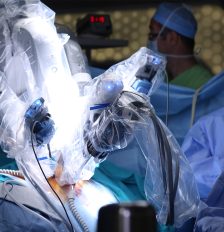
This study evaluated the impact of the interval between diagnosis and surgery on mortality in patients with early-stage non-small cell lunger cancer (NSCLC). The results indicated that surgeries performed more than eight weeks after diagnosis significantly increased five-year mortality and recurrence rates compared to those conducted within eight weeks. The findings suggest that minimizing the time to surgery is crucial for improving outcomes in early-stage NSCLC patients.

459 views




By: EACTS Staff