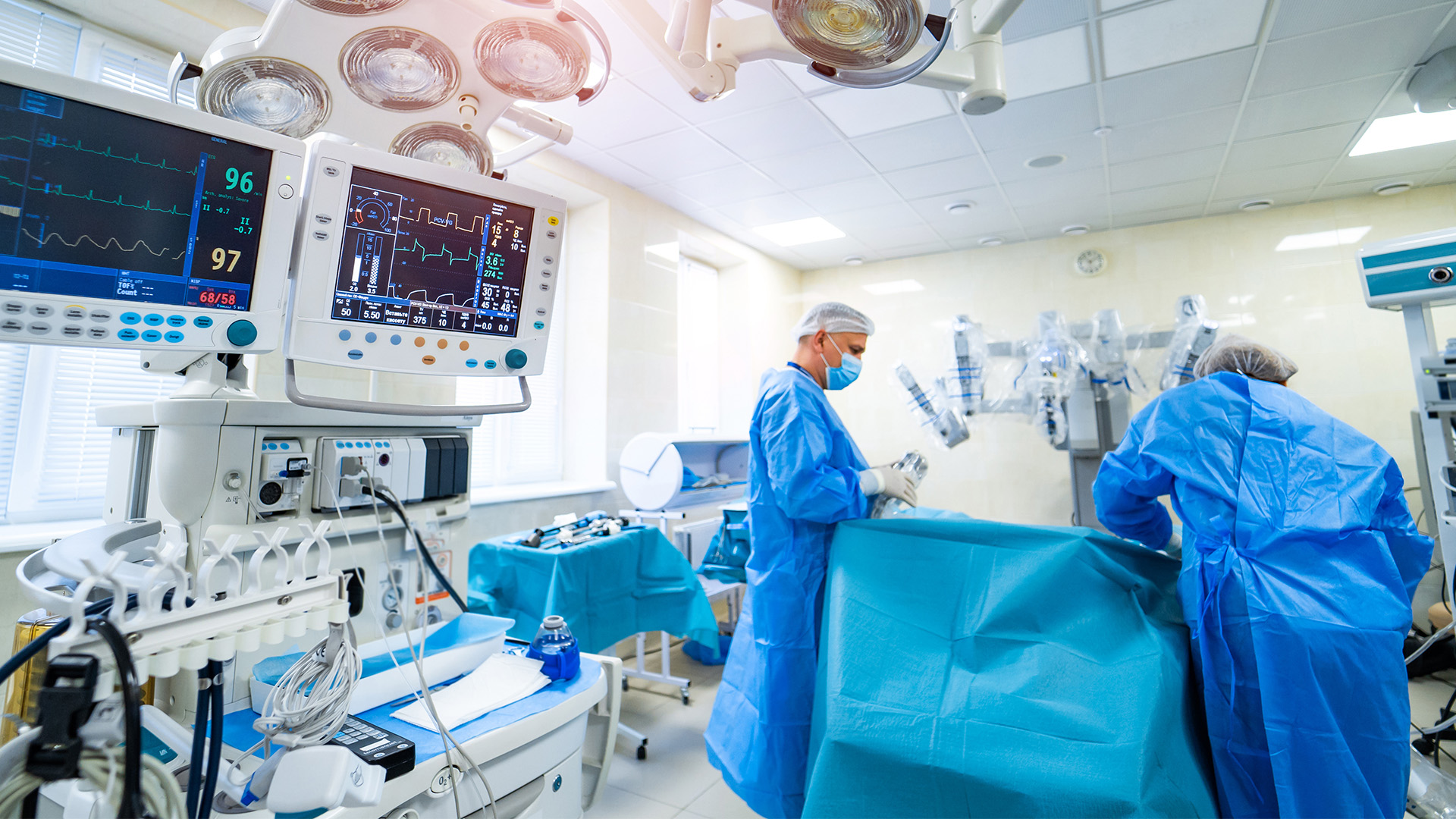
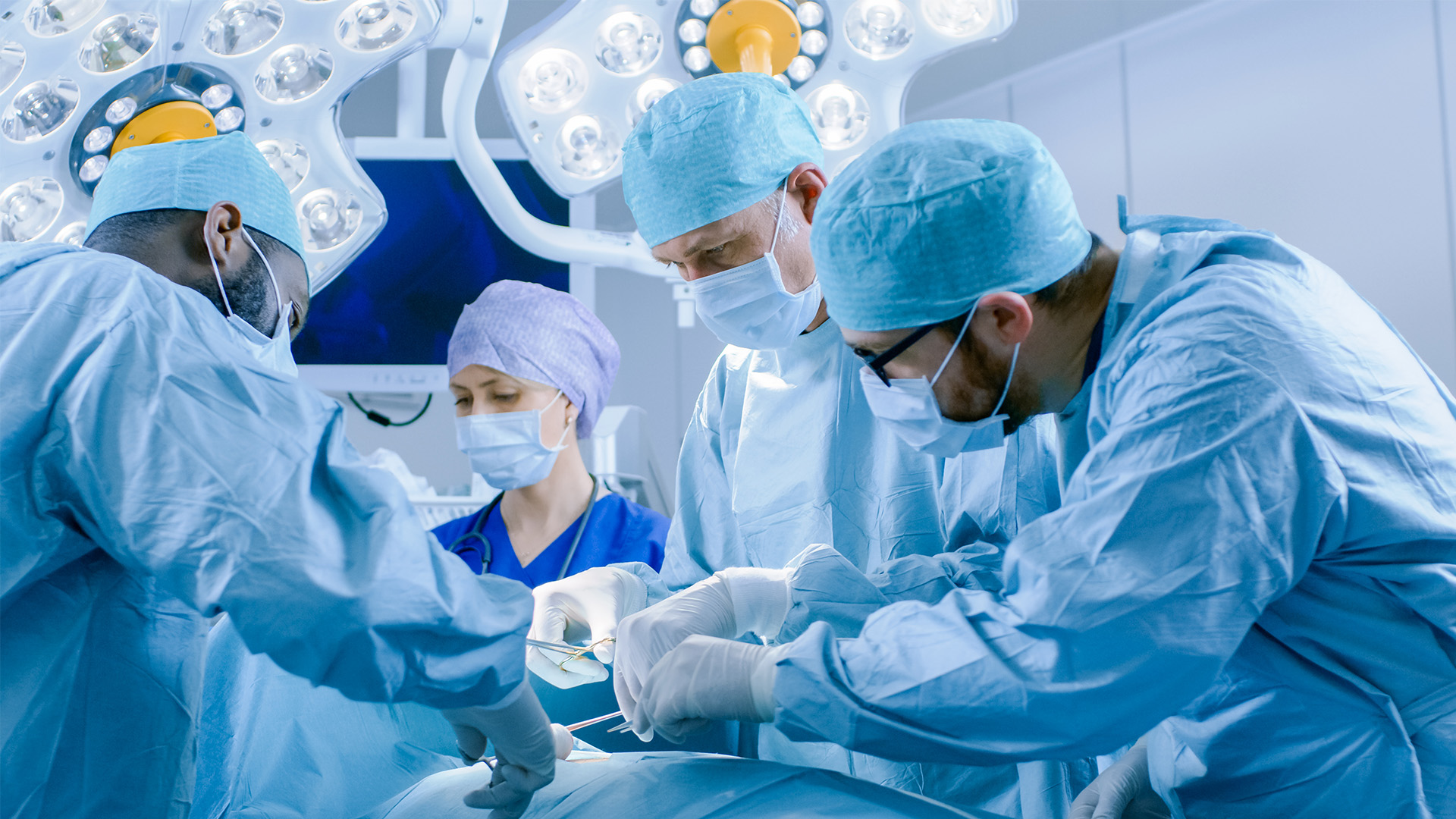
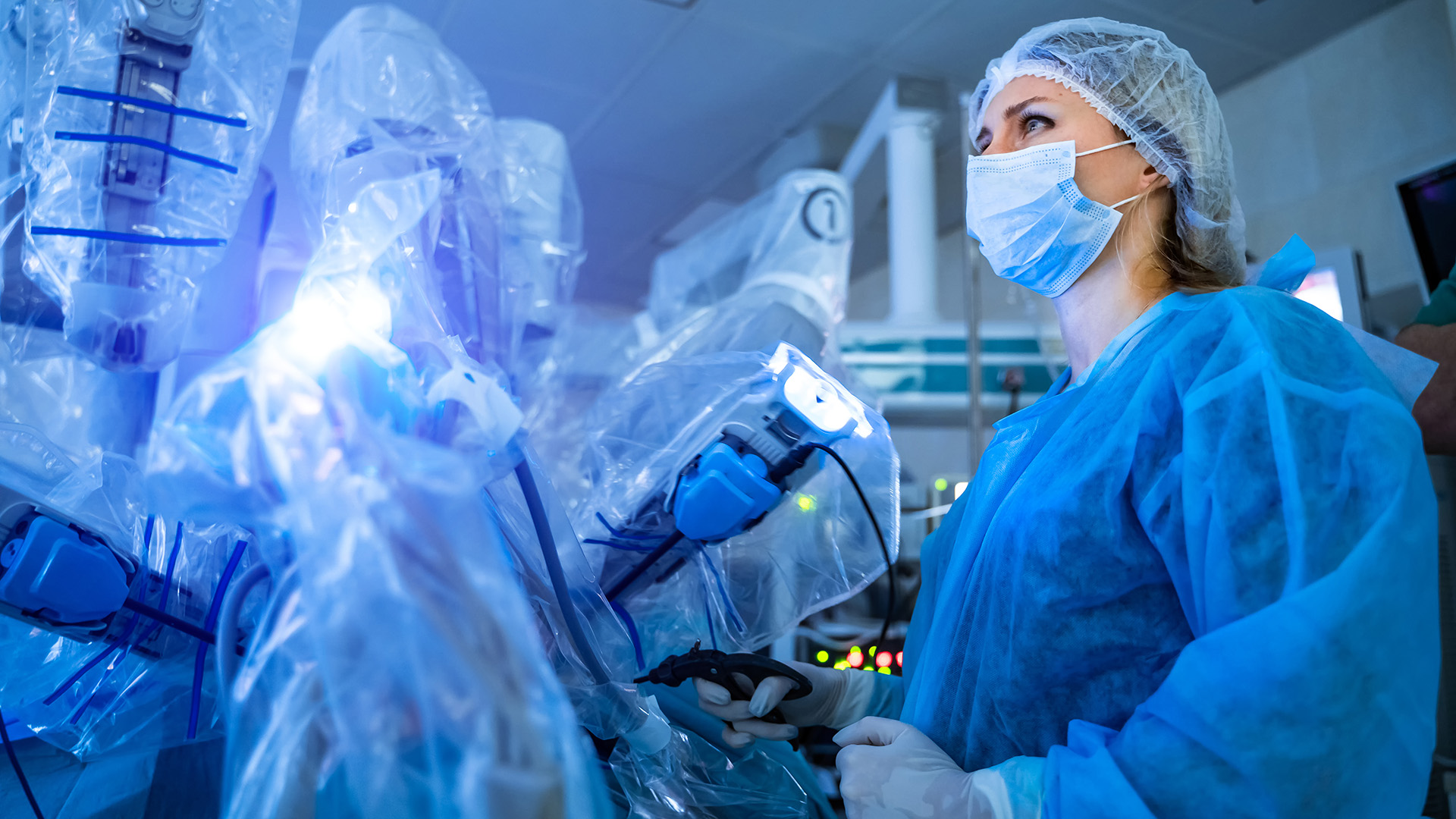
This video presents a case of combined endoscopic aortic valve replacement (AVR) and left internal mammary artery (LIMA) to left anterior descending artery (LAD).
Patient Profile
The patient was a 68-year-old male with a history of severe aortic stenosis (AS) and triple vessel coronary artery disease. Over the years, he has undergone multiple coronary stenting procedures. He presented with exertion chest pain during routine physical activity.
Preoperative Evaluation
Echocardiography revealed a severely calcified tricuspid aortic valve with a peak gradient of 54 mmHg, mild aortic regurgitation (AR), and an ejection fraction (EF) of 58 percent, with no other pathological findings. Coronary angiography showed prior stents in the right coronary artery (RCA) and left anterior descending artery (LAD), with an ostial LAD lesion of 60 percent and a post-stent LAD lesion of 50 to 60 percent. The fractional flow reserve (FFR) for the LAD was measured at 0.75. The decision was made to pursue revascularization with LIMA to LAD and concomitant AVR.
CT Scan Findings
The thoracic anatomy was deemed suitable for a totally endoscopic approach.
Surgical Plan
A dual minithoracotomy approach was planned to facilitate:
- Endoscopic AVR
- Endoscopic LIMA harvesting
- LIMA to LAD anastomosis
Intraoperative Technique
The patient was positioned supine with bilateral pressure bags on either side of the thorax to allow rotation of the chest up to 30 degrees in either direction. The patient was intubated with a double-lumen endotracheal tube to optimize lung insulation during LIMA harvesting.
LIMA Harvesting
A 3D endoscopic camera was used for this case. The camera port was inserted in the fourth intercostal space at the level of the anterior axillary line, and instrument ports were placed in the third and fifth intercostal spaces. The LIMA was harvested as a pedicle graft starting at the second or third intercostal space and going down to the fifth or even sixth intercostal space.
Exposure and Target Identification
Pericardial fat was dissected. The pericardium was opened, and the LAD was identified. An anterior left minithoracotomy of 5 to 6 cm was performed in the fourth intercostal space for target access.
Peripheral Canulation and Second Access
The right groin was exposed, and purse-string sutures were placed in the femoral artery and vein. Systemic heparinisation was performed. Peripheral canulation was completed under transesophageal echocardiography (TEE) guidance. A right anterior minithoracotomy was created in the second intercostal space. An additional camera port was placed one fingerbreadth below this incision. The pericardium was opened, and three stays sutures were placed. The LIMA graft was divided. A cross-clamp was applied in the first intercostal space adjacent to the right camera port. Cold crystalloid cardioplegia was administered via the aortic root.
AVR
A transverse aortotomy was performed, and three stay sutures were placed for exposure. The severely calcified aortic valve was excised, and the annulus was thoroughly decalcified. An appropriately sized Perceval sutureless bioprosthesis was selected, and three guiding sutures were placed. The valve was implanted, and good function was confirmed.
LIMA to LAD Anastomosis
The LAD was exposed trough the pericardium. An end-to-side distal anastomosis was performed using an 8-0 Prolene suture in a continuous fashion.
Closure
The aortotomy was closed, and the bulldog clamp was removed from the LIMA graft. Deairing of the heart was completed, and the aortic cross-clamp was removed. The procedure was completed uneventfully. Postoperative TEE demonstrated satisfactory function of the prosthetic valve with no evidence of perivalvular leakage.
Conclusion
The patient’s postoperative course was uneventful. The patient was transferred out of the intensive care unit (ICU) 24 hours after surgery and was discharged from the surgical department on postoperative day six. Follow-up over a period of six months revealed a smooth and rapid recovery. Serial echocardiographic evaluations confirmed sustained optimal prosthetic valve function with no complications noted.
References
- Gu W, Zhou K, Wang Z, Zang X, Guo H, Gao Q, Teng Y, Liu J, He B, Guo H, Huang H. Totally endoscopic aortic valve replacement: Techniques and early results. Front Cardiovasc Med. 2023 Jan 9;9:1106845. doi: 10.3389/fcvm.2022.1106845. PMID: 36698939; PMCID: PMC9868623.
- Alaaddin Yilmaz, Silke Van Genechten, Jade Claessens, Loren Packlé, Jos Maessen, Abdullah Kaya, A totally endoscopic approach for aortic valve surgery, European Journal of Cardio-Thoracic Surgery, Volume 62, Issue 6, December 2022, ezac467, https://doi.org/10.1093/ejcts/ezac467
- Greenspun HG, Adourian UA, Fonger JD, Fan JS. Minimally invasive direct coronary artery bypass (MIDCAB): Surgical techniques and anesthetic considerations. J Cardiothorac Vasc Anesth. 1996;10:507–9.
Disclaimer
The information and views presented on CTSNet.org represent the views of the authors and contributors of the material and not of CTSNet. Please review our full disclaimer page here.
 1139 views on Vimeo