Content from the Journal of the American Neurological Surgeons.
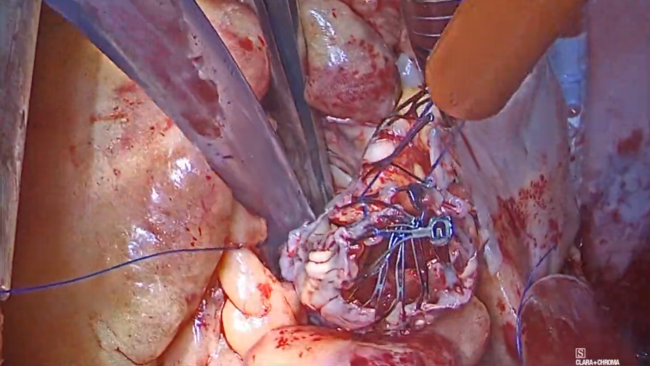
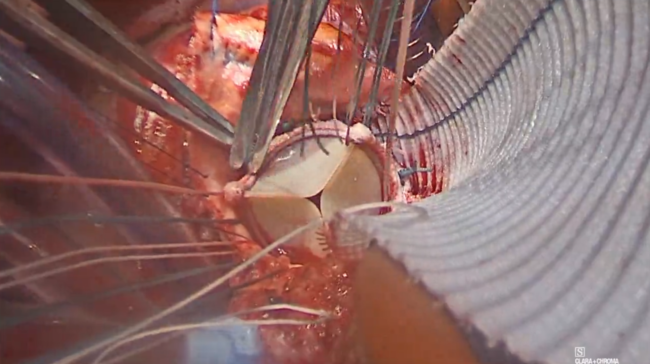
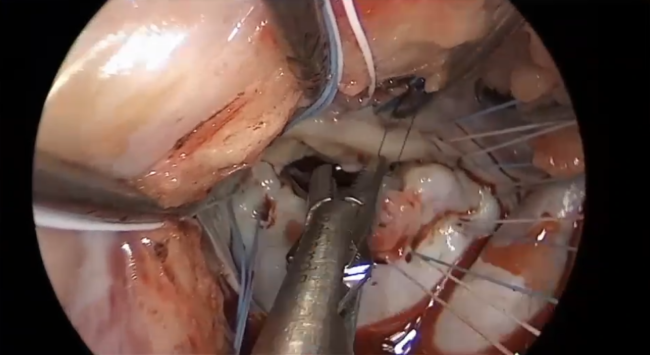
This is the case of a transcatheter aortic valve replacement (TAVR) explantation due to late thrombosis leading to cardiogenic shock. The patient was a sixty-seven-year-old woman with a complex medical history. She underwent a TAVR procedure forty months prior. Compared to her initial normal valve hemodynamics, the patient presented with high gradients and velocities across…
A sixty-year-old woman—postesophagectomy—developed respiratory failure, surgical emphysema, and bilateral pneumothoraces. Bilateral chest drains were inserted into the patient. Next, a bronchoscopy procedure was performed; it initially showed a tracheal tear. Subsequently, a double-lumen endobronchial tube was inserted. Finally, the patient was transferred to a facility as an emergency case. Procedure The patient was evaluated under…
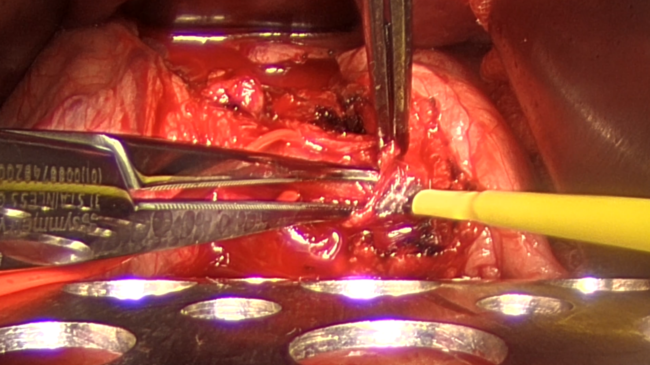
In patients expected to require multiple sternotomies during their lifetimes, some surgeons have advocated for the use of Gore-Tex expanded polytetrafluoroethylene (ePTFE) membranes as a pericardial substitute to mitigate sternal reentry. There is a lack of systematic data on the safety and efficacy of the Gore-Tex membranes’ use for this application. However, limited retrospective data…
Internationally acclaimed heart surgeon and highly respected leader in the Australasian cardiac surgery community, Professor Brian Buxton passed away at age eighty-two in May in Melbourne, Australia. Buxton was known to pioneer multiple arterial grafting (MAG) in cardiac surgery and was instrumental in launching the RAPCO (Radial Artery Patency & Clinical Outcomes) trials. In addition…
With all the great video submissions we’ve received from CT surgeons around the world, it’s hard not to get excited about the future of cardiothoracic surgery! To wrap up our collection of specialty showcases, we have compiled a list of the seven most popular congenital videos published on CTSNet so far this year. Do you…
The recurrence of pectus excavatum after open repair using the Ravitch technique has been reported to occur in 2–37 percent of instances (1). Pectus-UP, NUSS bar, and redo Ravitch have been reported as treatment options for patients requiring a second intervention (1). However, the optimal approach for redo surgery is still up for debate. 3D-printed,…
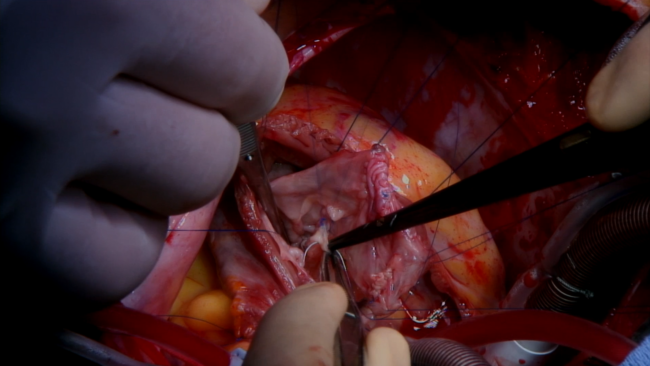
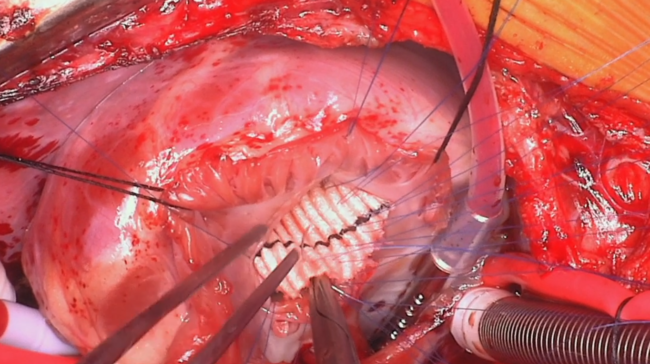
The patient is a sixty-seven-year-old female who underwent aortic valve replacement in 2018 with a 19 mm bioprosthetic aortic valve. In this case, the patient presented to the medical center with severe aortic valve regurgitation. The case called for the following procedural tasks: a redo sternotomy, an annular enlargement with Y-incision and rectangular patch, and…
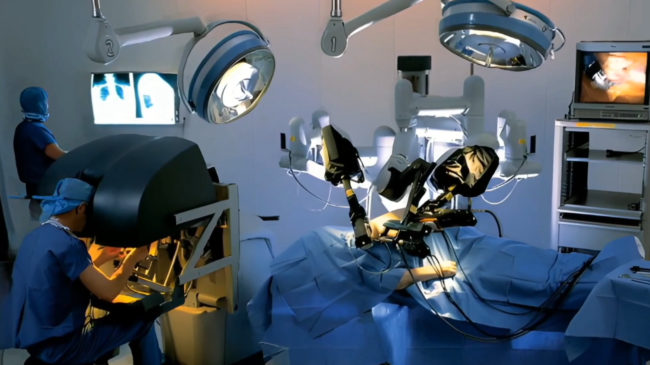
Keep up with the world of cardiac robotics surgery by viewing the 2022 Surgical Robotics and Innovation Summit, held in June 2022 in Sydney, Australia, in partnership with the ANNALS of Cardiothoracic Surgery and CTSNet. The program has been divided into two videos—a morning session and an afternoon session. Held every year, this multidisciplinary and…
We’re halfway through the year, and the international cardiothoracic community has been busy sharing techniques and practices with peers around the world via CTSNet. Over the last few weeks, we rounded up the most popular cardiac and thoracic videos published so far this year. Now it’s the vascular specialty’s turn! Do you have a favorite?…
Ebstein’s anomaly is a rare malformation involving the tricuspid valve and the right ventricle (1). The main features are: (a) failure of leaflets delamination; (b) atrialization of part of the right ventricle; (c) apicalization of the functional tricuspid anulus; (d) interatrial shunt. Natural history is burdened by a high mortality rate, reaching 50 percent at…
Surgical treatment in mitral valve infective endocarditis (MVE) is indicated in patients with severe mitral regurgitation. Mitral valve replacement has traditionally been considered the standard treatment for MVE cases that are unresponsive to antibiotic therapy. This is due to concerns regarding the durability of mitral valve repair, recurrence of IE, and mitral regurgitation. Since the…
Can you believe it’s already July? In the first half of 2022, CTSNet has had surgeons from countless parts of the world share their valuable experience and expertise with our community of CT surgeons in the form of clinical and surgical videos. For your convenience, we’ve rounded up six of the most popular in the…
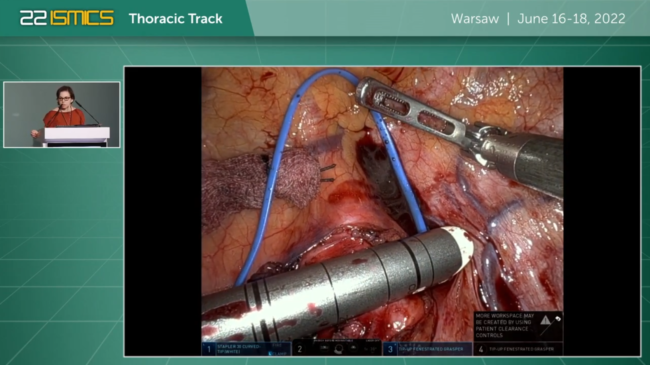
Watch the June 18 recording of the ISMICS 2022 Thoracic Masters Session 3A: My Favorite Case. Topics discussed include robotic-assisted VATS apical segmentectomy with NIR imaging, UVATS basal segmentectomy for the removal of a large intralobar sequestration, MIS approaches to complex hernias, robotic litigation of double aortic arch, robotic bronchoplasty, uniportal VATS lobectomy, and lung-sparing…
An eight-month-old, 7.8 kg infant with a base line oxygen saturation measuring in the high 80% range was diagnosed with a double outlet right ventricle (DORV) prenatally. There was also suspicion of right ventricular outflow tract (RVOT) obstruction. Associated anomalies included bilateral superior venae cavae with no bridging vein, presence of patent foramen ovale, and…
The case involved a thirty-three-year-old male with a seventeen-year history of postprandial nausea, vomiting, and epigastric pain. He also suffered from chronic abdominal pain from a past motorcycle accident. The previous workup included a negative EGD. An abdominal CT and mesenteric artery duplex revealed evidence of left renal vein compression and hemodynamically significant distal celiac…
It’s already halfway through the year, and surgeons across the globe have shared a huge amount of valuable cardiothoracic surgery expertise with the CTSNet community in the form of clinical and surgical videos. We’ve rounded up the six most popular videos in the thoracic specialty published so far this year. Do you have a favorite?…