Content from the Journal of the American Neurological Surgeons.
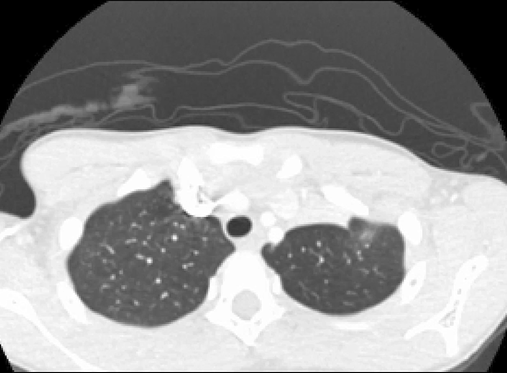
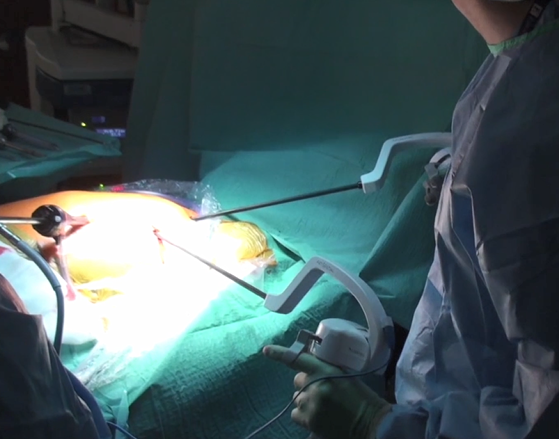
A 10-year-old boy presented with a carcinoid tumor obstructing the left upper lobe bronchus. He underwent VATS sleeve lobectomy. Initially, the authors attempted to perform a bronchotomy with reconstruction, however this distorted the bronchial reconstruction, resulting in poor re-expansion of the lower lobe. The resection was completed to a formal sleeve, and the primary reconstruction…
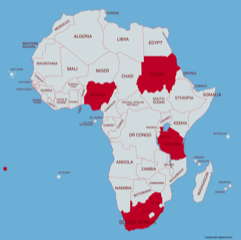
On Friday, May 8, 2020, CTSNet hosted a live event, CTSNet Live From Africa: Perspectives on COVID-19 from Sub-Saharan Cardiac Centers, to find out what our colleagues in Nigeria, Sudan, Tanzania, and South Africa are seeing and doing as they brace for the impact of COVID-19. The recording is now available. The COVID-19 pandemic has…
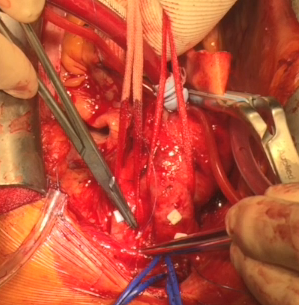
AV cannula is a silicone cannula with a malleable steel shaft. It has been specifically designed in order to be introduced directly into supra-aortic vessels (SAV) and not just from the ostia of the vessel. This cannula is similar to existing cannulas with an inflatable balloon at the tip in order to seal the vessel…
IntroductionAs the SARS-CoV-2 pandemic has been reaching unprecedented highs across the US, hospitals have become overwhelmed with patients treated for COVID-19. Hospital resources (beds, equipment, and personnel) have been allocated to control this pandemic and resources for cardiac surgical patients are now limited. Regulatory authorities at regional and national levels have requested that elective cases…
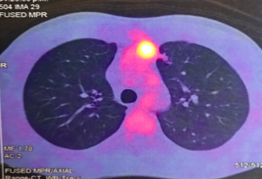
Clinical CaseA 32-year-old man was referred with a diagnosis of an extragonadal germ cell tumor in the anterior mediastinum. Initially, he was treated with four cycles of chemotherapy (bleomycin, etoposide phosphate, and cisplatin), after which a PET-CT demonstrated a persistent hypermetabolic mass (SUV max 7.8) in the anterior mediastinum measuring 48 x 32 x 70…
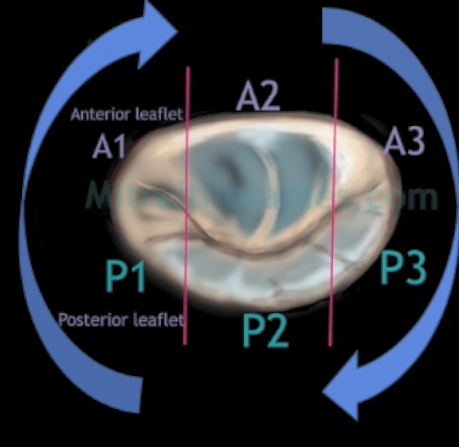
The authors present a series of degenerative mitral valve repair cases using nonresectional techniques that include posterior, anterior, bileaflet prolapse pathology, and Barlow’s disease. The leaflet flails and prolapses were readily repaired using neochordal Leipzig and Figure-of-8 locking adjustable stitch technique, while one of two Barlow’s cases was repaired with simple true-sized annuloplasty and the…
Wellness for physicians has received elevated attention in recent years, as we have learned more about burnout and its negative consequences for medical professionals. A lot of attention has been given to issues surrounding diet, exercise, management of stress, and getting adequate sleep. Now, as we find ourselves amidst a pandemic, and physicians are on…
On Monday, April 27, CTSNet and the Society of Cardiovascular Anesthesiologists collaborated to host a live webinar. The recording is now available. This webinar brought together a distinguished panel of global experts to address: Approaches to reopening cardiac surgery Adapting cardiac surgery service to a “new normal” Lessons for ECMO in COVID-19 patients Managing transplant…
The COVID-19 pandemic has drastically altered surgical education in the United States. Residents and fellows in hot-spot areas have been redeployed to work in capacities that do not fulfill specific requirements for their specialty education. Operations necessary for certification have been decreased significantly, or entirely altogether. In this expert panel, Brian Mitzman, a general thoracic…
This video shows the anatomical correction done for an obstructed mixed TAPVC in a 6-month-old child with failure to thrive. TTE showed right sided and left lower pulmonary veins forming a common chamber and draining into the coronary sinus through a narrow obstructive communication. The left upper pulmonary vein was draining into the left innominate…
The patient was a 4-year, 1-month old boy who presented with a postnatal diagnosis of a constellation of left-sided lesions, including coarctation of the aorta, transverse arch hypoplasia, bicuspid aortic valve, mitral stenosis, and a borderline-sized left ventricle. At the time of birth, due to questions about the adequacy of the left ventricle to support…
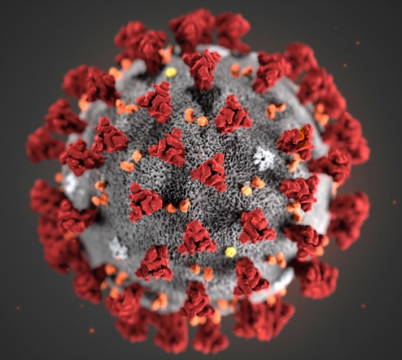
We welcome submissions to continuously update this COVID-19 resource list. Please use the Index in the right column to quickly access a subject area. Submit Resource COVID-19, the novel coronavirus, was declared a pandemic on March 11th, 2020. Italy, China, Spain, and other countries have seen unprecedented numbers of patients, overwhelming their healthcare systems due to a…
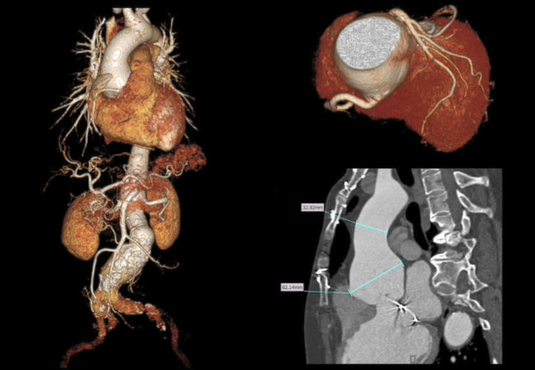
In aortic root replacement, the Cabrol procedure facilitates tension-free coronary button anastomoses (1, 2), and the Cabrol patch (pericardial hood) technique enables hemostasis of the intractable aortic root bleeding (3). Here the authors present their successful aortic root replacement utilizing both techniques in a Jehovah’s Witness with prior mitral valve repair and Marfan syndrome. A…
This is a video of a patient with a thymoma and myasthenia gravis who also has a left SVC. If there was one person who you would like to have a left SVC, it would be a person with a thymoma. That is sometimes the most difficult part of the operation: taking the thymus off…
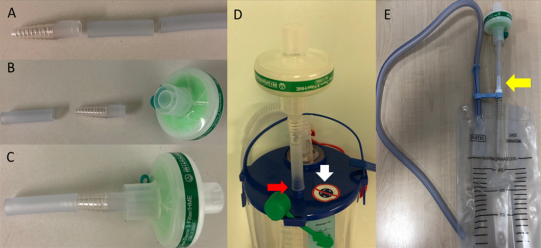
Providing lung cancer surgery during the COVID-19 crisis presents many challenges. Cancer services must minimize exposure to health care workers and manage the higher risks associated with surgery during the pandemic, while also contending with reduced elective operating and intensive care capacity (1). COVID-19 has proved to be highly infectious and has infected more people…
IntroductionChronic thromboembolic pulmonary hypertension is a progressive disease with poor prognosis if left untreated. The reported incidence is five cases per million per year, however that number could be below the actual incidence due to its low symptomatology and resultant underdiagnosis. Its pathogenesis is that of recurrent pulmonary thromboembolism with incomplete resolution of the thrombi.…