Content from the Journal of the American Neurological Surgeons.
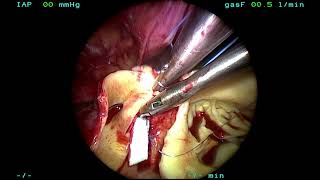
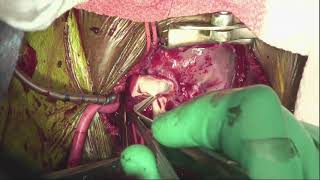
In this video, the authors demonstrate the advantage of minimally invasive endoscopic beating mitral valve surgery with cardiopulmonary support in complex redo cases. This technique can simplify the procedure in the hands of experienced teams with minimally invasive surgery, especially with patients deemed to be at high risk for redo-sternotomy. The authors have moved to…
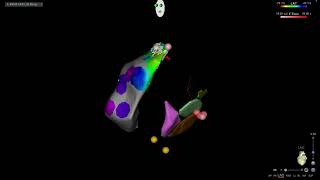
The authors present the case of hybrid endocardial and epicardial ablation in this 73-year-old man with monomorphic PVCs with 25-33% burden and degenerated left ventricle ejection fraction with dilated cardiomyopathy. Prior endocardial ablation done 3 1/2 years ago focused on RVOT and was not effective. It suggested an epicardial LV summit source based on activation…
Jessica Luc, a resident editor of CTSNet and a cardiovascular surgery resident at the University of British Columbia, Vancouver, Canada, hosts an informative roundtable with past winners of the CTSNet Resident Video Competition to highlight the process of creating the videos for their winning submission. With the recent launch of the 6th Annual CTSNet Resident Video Competition, this timely video details: the process of obtaining and…
A 22-year-old woman presented with exertional dyspnea and occasional chest pain and was diagnosed with hypertrophic obstructive cardiomyopathy with biventricular outflow tract obstruction. She underwent biventricular septal myectomy with mitral valve repair. She had a good postoperative result. The authors share the surgical video of this rare condition and its management. References Dorobantu L, Ticulescu…
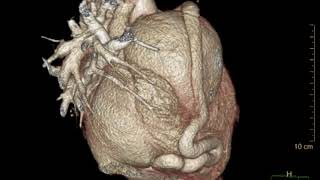
BackgroundCoronary artery aneurysms are uncommon, and giant aneurysms (> 2cm) are even more unusual. Coronary atherosclerosis and Kawasaki disease are the principal causes. The management of patients with this entity is controversial. There are no clear recommendations on this topic because the literature is confined to report cases and small case series. Case SummaryThe authors…
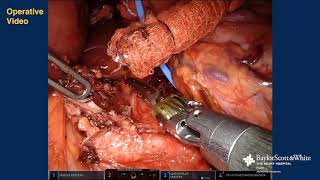
In this video, the authors describe their endoscopic technique to perform a minimally invasive ascending aorta replacement. Cardiopulmonary bypass was achieved through the femoral artery and femoral venous cannulation. The working port was a 3-4 cm anterior mini-right thoracotomy in the second right intercostal space. Three additional 5 mm mini-ports were needed for the introduction…
The celiac axis is the first branch of the abdominal aorta and is the source of arterial supply for the entire foregut. Compression of the proximal celiac artery by the fibrous attachments of the diaphragmatic crura and/or celiac ganglion was first described in 1963, and the symptom complex associated with it is referred to as…
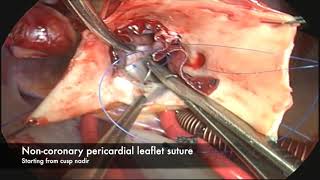
Aortic valve reconstruction by neo-cuspidization using the Ozaki technique has shown excellent mid-term outcomes, possibly due to the highly standardized and reproducible technique. It is being used increasingly in children with aortic valve disease. There are specific anatomic characteristics in congenital aortic valves that require adaptations of the technique. This video presents the technique for…
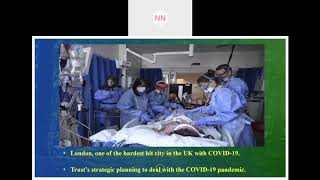
This webinar session covers the life and role of cardiothoracic surgical care practitioners during COVID-19. Dr Bhuvaneswari Krishnamoorthy is the chair, as well as president of the Association of CT Surgical Care Practitioners. Joel Dunning, consultant thoracic surgeon of South Tees NHS Trust in Middlesbrough, UK, presents his experience working as an ITU nurse. Nisha…
Complete atrioventricular septal defect (AVSD) is a very challenging surgery, mainly due to the 3D nature of the repair. The goals of surgery for complete AVSD repair are: closure of interatrial communication, closure of interventricular communication, maintaining or creating two competent, nonstenotic AV valves, and avoidance of injury to AV node and bundle of His.…
In this video, the authors present the case of a 40-year-old man who underwent reimplantation of the aortic valve with replacement of the ascending aorta and proximal aortic arch one year after percutaneous implantation of a vascular stent into the descending aorta to correct a coarctation. A recent follow-up CT scan had shown a rapid…
The authors present the surgical repair of an anomalous right coronary artery origin from the pulmonary artery (ARCAPA) in an infant. This is a 3-month-old, 4.2 kg boy who was born prematurely at 28 weeks gestation with a birth weight of 750 grams. The child presented with shortness of breath and sweating during feeding. A…
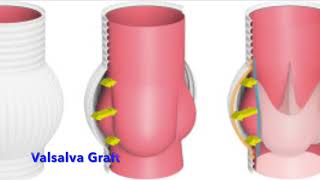
Optimal treatment of the acute type A dissection is still controversial. The current guidelines give indistinct recommendations about which surgical valve-sparing procedure should be performed when aortic dissection occurs and which method of cannulation should be used for appropriate antegrade perfusion. Cannulation of the innominate artery has been a perfect alternative for 20 years, including…
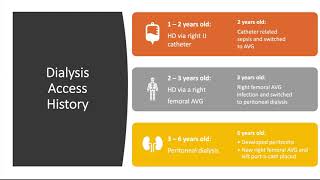
IntroductionWith a growing prevalence of end-stage renal disease in the pediatric population, maintaining vascular access has become increasingly complex (1). Central venous catheters (CVCs) can provide immediate hemodialysis access but can lead to central venous stenosis (2). Central venous stenosis can interfere with arteriovenous fistula (AVF) or arteriovenous graft (AVG) function and lead to venous…
Donor cardiectomy is the first-step operation of heart transplantation. Despite the importance of the procedure, donor operation is scarcely observed by cardiothoracic surgical trainees. The authors present a donor cardiectomy video with step-by-step comments for educational purposes. In this particular case, the operation was performed by the heart, liver, and pancreas procurement teams. The first…
Dr Om P. Yadava, CEO and chief cardiac surgeon of the National Heart Institute in New Delhi, India, and Dr Jai Raman of the Austin Hospital and St. Vincent’s Hospital in Melbourne, Australia, discuss dynamic chemical imaging (DCI). Simply put, DCI involves light beams, reading the chemical signatures of the tissues from the reflected light,…