Content from the Journal of the American Neurological Surgeons.
Olaf Wendler of King’s College Hospital, London, UK, discusses the surgical treatment of aortic infections, including aortic root endocarditis and mycotic aortic aneurysm. This presentation was originally given during the SCTS Ionescu University program at the 80th Annual Meeting of the Society for Cardiothoracic Surgery in Great Britain and Ireland. This content is published with…
Denton Cooley, founder of the Texas Heart Institute, was the first US surgeon to perform a heart transplant and implant an artificial heart. In this interview with Mohamad Bashir, Dr. Cooley discusses his incredible career. Dr. Cooley also shares his thoughts on inspiration, leadership, and the future of aortic surgery.
A 54-year-old-woman presented with recent weight loss and hemoptysis. A chest CT scan revealed a left lung central tumor. Bronchoscopy confirmed an infiltrating lesion at the level of interlobar carina, and biopsy revealed primary squamous cell carcinoma. Clinical staging with TEP scan was cT3N2M0 (T3 because complete lung atelectasis and N2 because pulmonary window adenopathy).…
Cardiopulmonary Bypass: A PrimerUniversity of Washington Division of Cardiothoracic SurgeryNahush A. Mokadam, MD, Editor Cardiopulmonary Bypass: A Primer was published by the cardiac surgery team at the University of Washington, using the iBook electronic format. It is available as a free download from the Apple iBook Store. The editor, Dr. Nahush Mokadam, has structured the…
Recorded via Google Hangouts, Joel Dunning and Ahmad Al Khaddour discuss the current state of cardiothoracic surgery in Syria. Dr. Al Khaddour of Damascus University Hospitals shares what life is like in the midst of the Syrian crisis. He discusses the challenges faced in working as a cardiothoracic surgeon in Syria, such as obtaining necessary…
Arie Blitz of the McAllen Heart Hospital, Texas, takes an in-depth look at extracorporeal membrane oxygenation (ECMO). Dr. Blitz gives a brief history of ECMO, discusses current outcomes, and shares new developments. Dr. Blitz concludes with his thoughts on the future of ECMO. This educational presentation was originally given during the 9th annual New Orleans Conference.…
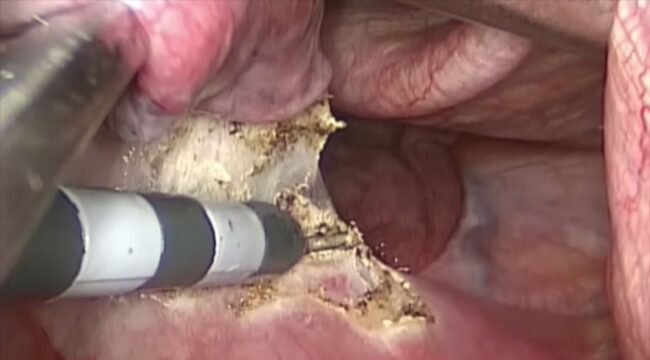
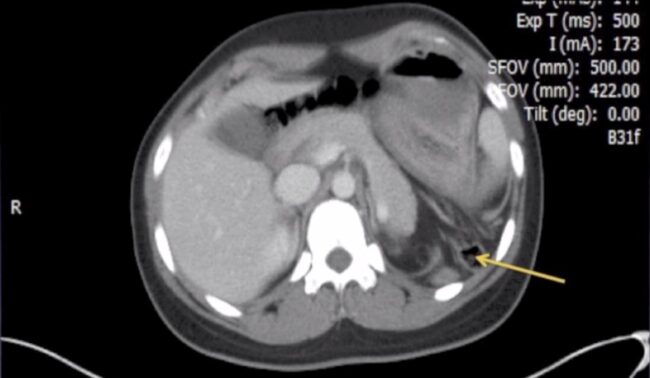
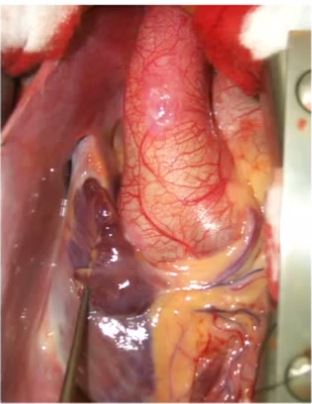
This video demonstrates a laparoscopic repair of symptomatic left-side Bochdalek hernia in a 20-year-old female. The patient presented with chronic intermittent constipation, nausea, and emesis. A CT scan revealed the hernial defect.
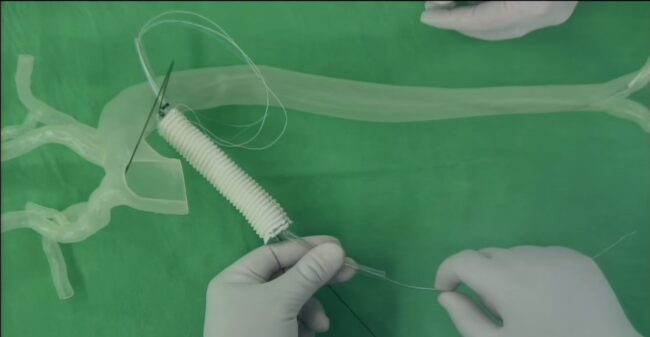
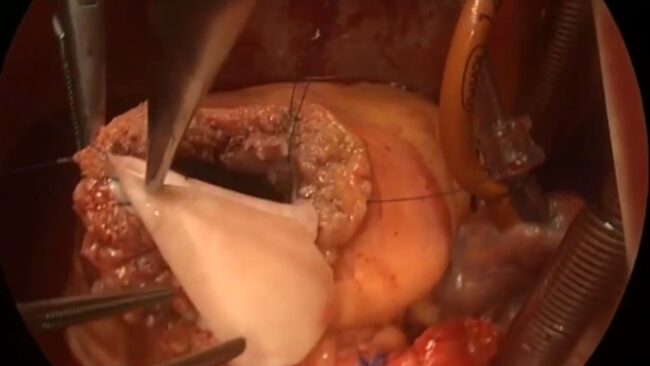
This video demonstrates the author’s technique for re-operation on type A aortic dissection. The patient developed aortic dissection while weight-lift training in December 2013. A CT scan revealed a large intimal tear at the aortic arch. The patient’s ascending aorta was replaced with a Dacron graft. The follow-up studies showed an enlarging dissecting aneurysm. The…
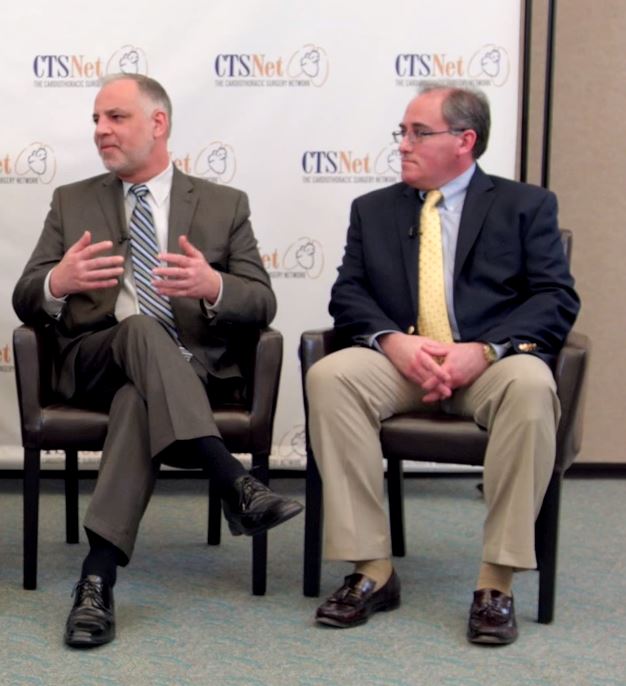
Filmed at the 2015 STS Annual Meeting in San Diego, California, a panel of experts discusses how the heart team should respond to cardiac arrests that occur after cardiac surgery. Jill Ley moderates the discussion with Joel Dunning, John Whitlock, and David Lizotte. The panel shares their experiences with cardiac surgery advanced life support (CALS),…
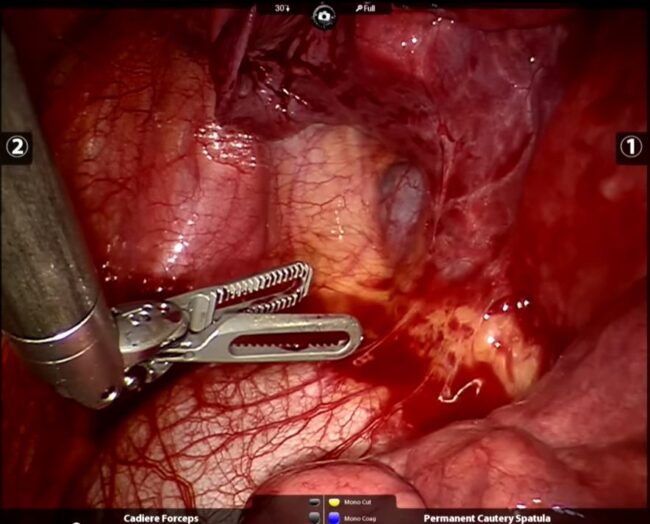
A 21-year-old male patient was admitted with a productive cough and episodes of pneumonia. His chest computerized tomography revealed left-sided middle lobe syndrome, and his abdominal ultrasound confirmed situs inversus totalis. He had no other component of Kartagener syndrome such as chronic sinusitis. This video shows the robotic left middle lobectomy. The patient was discharged…
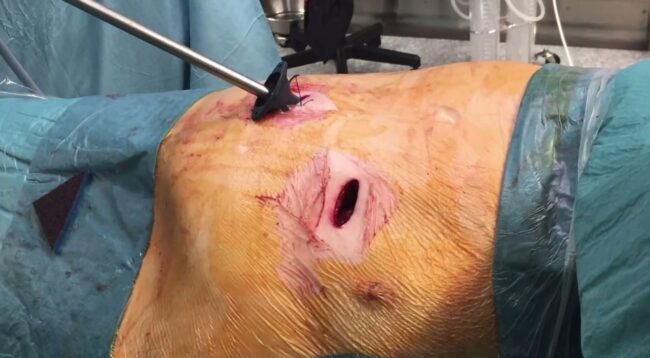
In this video, the author presents a technique for the gradual transition from a conventional 3/4-port, to a 2-port, and finally to a single-port approach for thoracoscopic anatomic lung resections. Individual cases are shown to illustrate the step-by-step transition from one approach to the next. The last case shows a uniportal upper left trisegmentectomy through…
Subaortic membrane is a notoriously recurrent problem, with rates as high as 25%. Modified Konno is recommended for tunnel-type subaortic stenosis with normal aortic leaflets. The risk factors for recurrence are a high preoperative gradient (>80 mmHg), or closeness of the membrane to the aortic valve leaflets. The addition of myectomy has been recommended to…
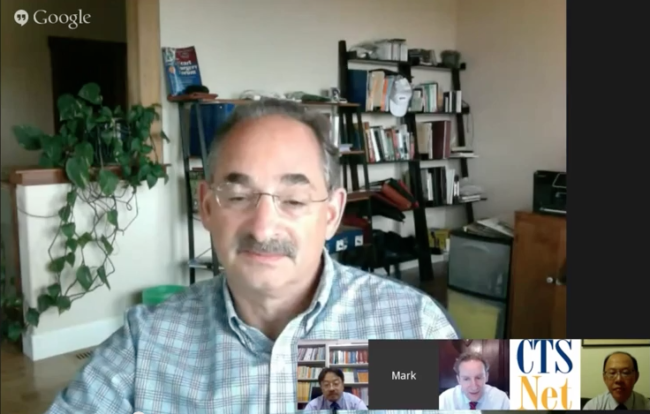
Recorded via Google Hangouts, this roundtable discussion focuses on the subxiphoid approach in cardiac and general thoracic surgery. Joel Dunning moderates this international discussion with Mark Levinson, Chia Chaun Liu, and Takashi Suda. The panelists share their experiences using the subxiphoid approach for a variety of cardiac and general thoracic procedures. To see Dr. Suda…
Duke Cameron of The Johns Hopkins Hospital, Baltimore, United States, discusses a variety of genetic disorders that lead to aneurysms, including Marfan Syndrome, Loeys-Dietz Syndrome, Turner Syndrome, and Ehlers-Danlos Syndrome. Dr. Cameron discusses the diagnosis, risk prediction, and surgical interventions currently available for each syndrome. This presentation was originally given during the SCTS Ionescu University…
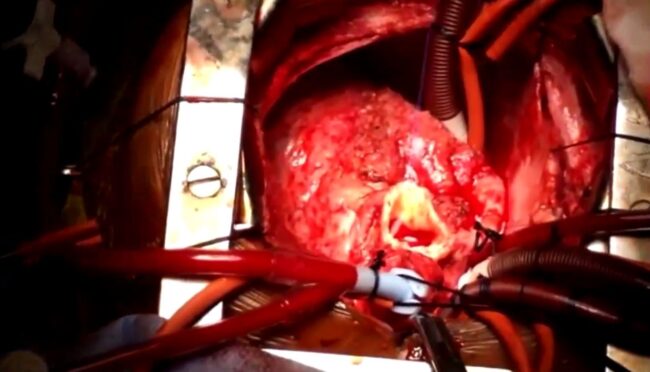
Purpose This is the case of a 64-year-old male who presented with right-sided heart failure symptoms. The patient had a severely dilated right sub-coronary sinus of Valsalva aneurysm, causing right ventricular outflow tract obstruction. Methods The surgical technique involved midline sternotomy, cardiopulmonary bypass, and ascending aorta and bicaval cannulation. The defect was approached from the…
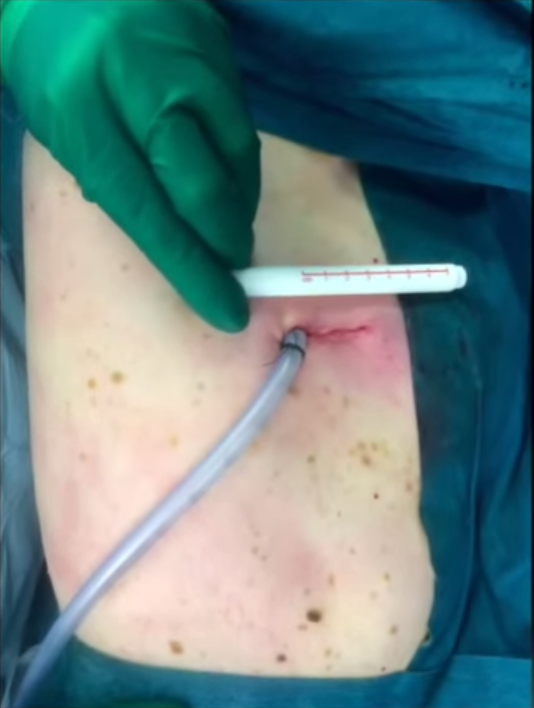
A 70-year-old patient was admitted to the authors’ department for a right upper lobe nodule resection. The patient had a personal history of prior smoking, and COPD (chronic bronchitis) requiring supplemental oxygen. He had no particular symptoms, but an x-ray revealed a nodule in the right upper lobe. A CT scan confirmed a 12 mm…