Content from the Journal of the American Neurological Surgeons.
This video demonstrates a left video-assisted thoracoscopic (VATS) sleeve lower lobectomy in a 68-year-old male smoker with a stage IA endobronchial squamous cell carcinoma, arising from the left lower lobe bronchial origin with distal collapse consolidation of the lung. Single lung isolation of the left lung is obtained by placing a right-sided double lumen tube under…
This video demonstrates a left upper lobe posterior and apical segmentectomy, preserving the lingular and anterior segment, in a patient with impaired lung function. The segmental pulmonary arteries are first identified, encircled, and taken with a stapler. Then the segmental bronchi are identified and stapled. This allows an excellent view of the pulmonary segmental veins.…
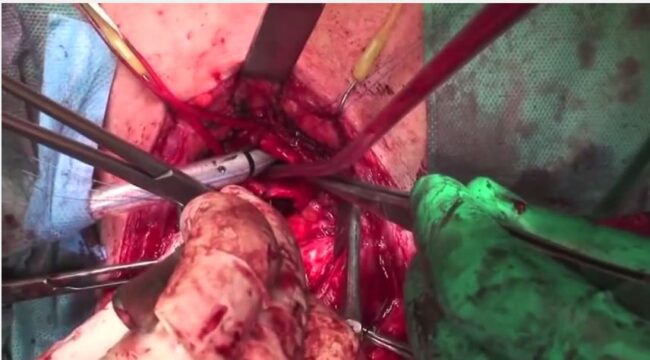
A 58-year-old man was admitted to the authors’ department for neoplastic cervical trachea obstruction, causing stridor and dyspnoea. The patient had previously undergone a tongue resection and chemo-radiotherapy for squamous cell carcinoma, and lingulectomy for pT2pN0 squamous cell carcinoma. He also underwent an emergency laser-assisted mechanical resection of the occluding lesion by negative-pressure ventilation rigid…
Dr. Mark Russo and Dr. Paolo Tartara are proctors for Edwards Lifesciences. Dr. Tartara is also a full-time employee of Edwards Lifesciences. Fig. 1: Valve deployment using the EdwardsAscendra 3 device through the transaorticapproach. Transcatheter aortic valve replacement (TAVR) is indicated for patients with severe, symptomatic aortic stenosis, who are deemed to be unsuitable candidates for…
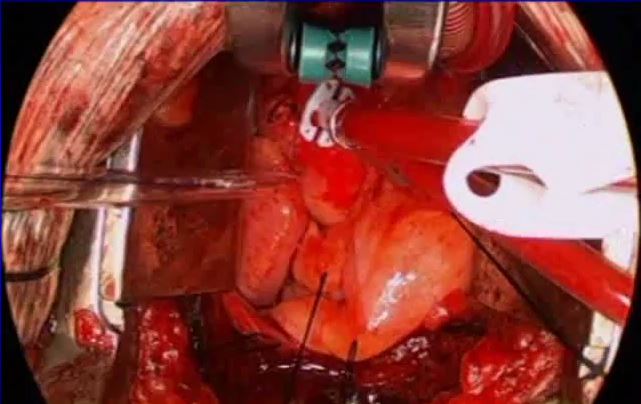
This video demonstrates a novel Norwood reconstruction method performed while maintaining a beating heart. By providing continuous coronary perfusion via an olive-tip cannula throughout the duration of the operation, the technique has been modified to be applicable to even the smallest aortas.
CTSNet is proud to announce that the interview series Pioneers in Cardiac Surgery, has been restored and will be reposted in the coming weeks on CTSNet.org. The interview series, envisioned and created by W. Gerald Rainer, Ted Sadler, Marvin Pomerantz and Bruce Paton, was designed to preserve the early history of the specialty through informal…
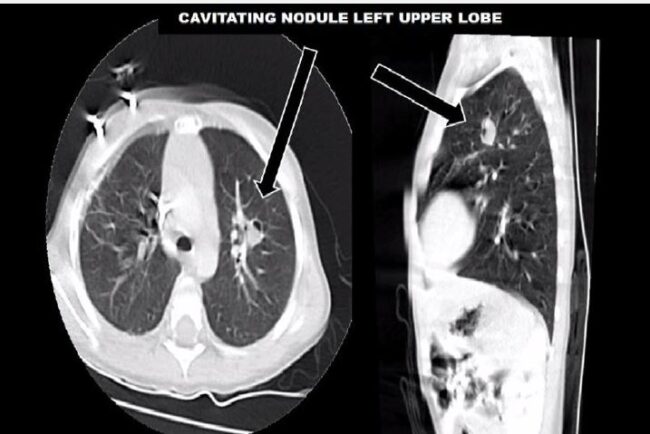
The video describes a VATS segmentectomy for a left upper lobe cavitating nodule in a 22-month-old child. The child was waiting for a bone marrow transplant, following failed chemotherapy for chronic myeloid leukemia. After non-invasive methods of obtaining a diagnosis failed, the child was referred for surgical biopsy. In view of the central proximity of…
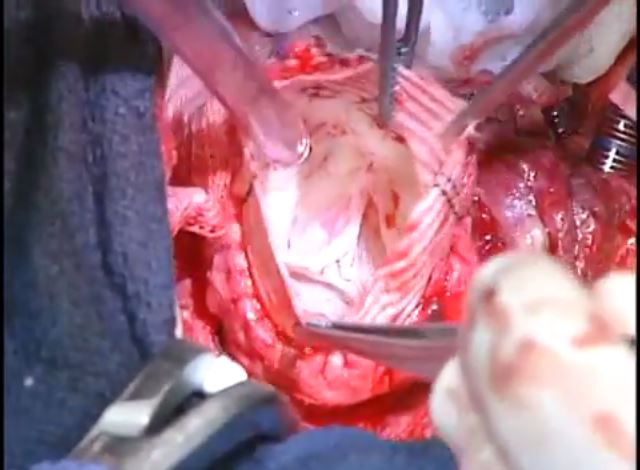
When autograft dilation and neo-aortic valve regurgitation develop late after the Ross procedure, there are two surgical options: aortic root replacement with mechanical or biological prosthesis, or aortic valve preservation (valve-sparing aortic root replacement (VSRR)). This video shows an adolescent male who presented with aortic root enlargement and severe aortic regurgitation five years following a…
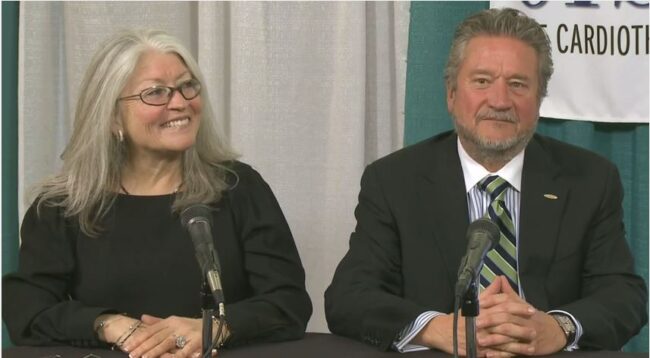
Joel Dunning visits with Timothy M. Scanlan, Scanlan International President & Chief Executive Officer, and Brigid Scanlan Eiynck, Scanlan International Vice President, Surgical Instruments. In the interview, Mr. Dunning reviews the Scanlan family’s unique history, dedication to quality, and fascinating relationships over the years. The Scanlan story began in 1921, and the company has evolved…
Operative repair for anomalous aortic origin of a coronary artery (AAOCA) has been described using various innovative techniques. Common to each report is the use of a full sternotomy. As demand for minimally invasive approaches to adult cardiac surgery has increased, the upper hemi-sternotomy has emerged as a safe and effective technique for aortic valve…
A 19-year-old male was referred to the authors’ department from another hospital because of a tight recurrent subglottic stenosis following tracheal resection and reconstruction for subglottic post-intubation stenosis. Several rigid bronchoscopies had already been performed without any effective result. The patient presented with left vocal cord palsy, probably due to previous treatments. On admission, a…
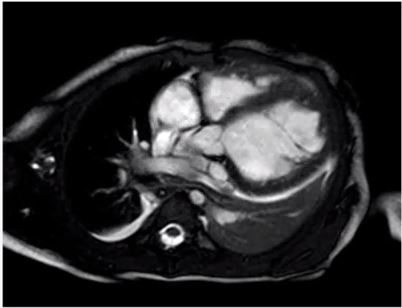
This video shows a female toddler with diagnosed idiopathic dilated cardiomyopathy. The patient presented with worsening symptoms of congestive heart failure, and was admitted to the critical care unit for observation and optimization of medical therapy. During the hospitalization, an echocardiogram was performed, and demonstrated severely depressed biventricular cardiac function, with ejection fraction less than…
Joel Dunning talks with Atiq Rehman about Dr. Rehman’s work to set up the first minimally invasive cardiac surgery program in Pakistan. Dr. Rehman is the Director of the Robotic and Minimally Invasive Cardiac Surgery & Transcatheter Valve Program at the Sarasota Memorial Hospital in Florida. Recently, Dr. Rehman has partnered with the Armed Forces…
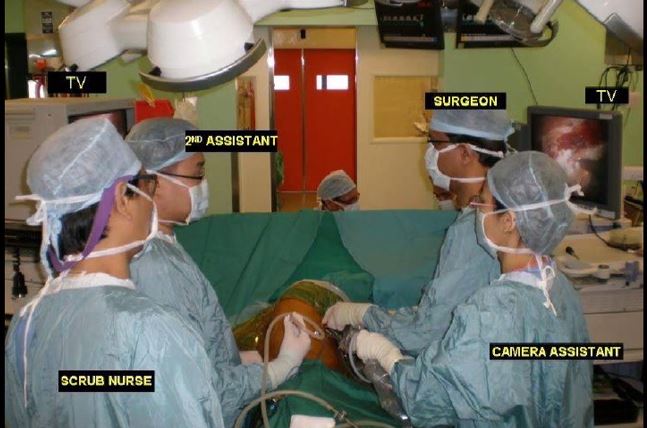
This video demonstrates the technical details of performing a right video-assisted thoracoscopic sleeve lobectomy in a 42-year-old male smoker with a stage I adenocarcinoma of the right upper lobe of lung. The VATS sleeve lobectomy technique used is a totally endoscopic procedure. The following non-rib-spreading ports are placed: a 5mm 30-degree camera port placed over…
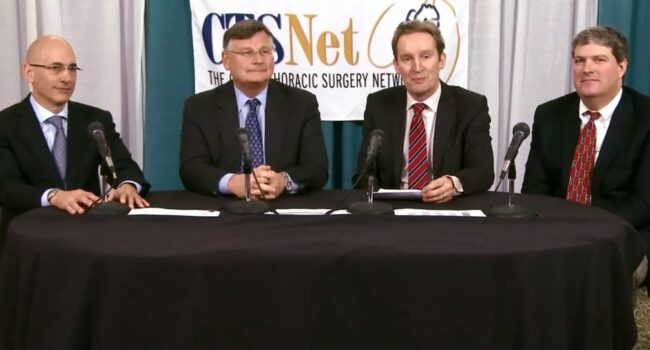
During the STS 50th Anniversary Meeting in Orlando, FL, CTSNet hosted a very informative video roundtable discussion with some of the leading surgeon educators in the field of surgical atrial fibrillation treatment. The discussion focused on the benefits of the Maze procedure in terms of procedural outcomes, patient satisfaction, and the development of stronger referral…
Introduction The most recent ACC/AHA guidelines (1) suggest that asymptomatic patients with degenerative thoracic aneurysm who are otherwise suitable candidates, and for whom the ascending aorta or aortic sinus diameter is 5.5 cm or greater, should be evaluated for surgical repair (Class I; LOE: C). Dilatation of the ascending aorta to an external diameter of 6…