Content from the Journal of the American Neurological Surgeons.
With the recent publication of two large, multicenter, randomized trials showing equivalent or even improved survival for segmental versus lobar resection of small (≤2 cm) stage I non-small cell lung cancer (1,2), there is greater onus among thoracic surgeons to be able to perform anatomic segmentectomy. Simple anatomic segmentectomy is a straightforward procedure; however, complex…
The Patient A fifty-six-year-old woman with HIV had been undergoing workup at an outside institution for progressive shortness of breath when a CT scan was obtained to evaluate for pulmonary embolism. A 1.5 cm lesion was found in the main pulmonary artery adjacent to the pulmonary valve. The clinical picture was not consistent with…
Much is being discussed about how far surgeons need to go with lung resection among ground glass opacities (GGO) and part-solid lesions. However, one thing that is becoming well accepted is the improved quality of anatomical lung resections with new technological perspectives. This video presents a case of a forty-five-year-old woman, nonsmoker, with no medical…
This year, CTSNet published a variety of educational content, including webinars, clinical videos, and more. We are closing out another year with a roundup of the top-viewed content published on our global platform throughout 2022. Keep reading to find out which video took the top spot, who our top contributor was, and everything in between.…
This year was fruitful for congenital surgical procedure videos published on CTSNet. The most popular videos focused on a range of cardiac congenital conditions, from atrial septal defect repair to both Ross and commando procedures from CTSNet’s top congenital contributor, Dr. Sameh Said. Thank you to everyone who submitted cardiac content this year. CTSNet is…
This year, adult cardiac submissions to CTSNet spanned a variety of fascinating procedures, from mammary artery harvesting to the innovative Y-incision technique for aortic annular enlargement. Read on for a quick overview of the most popular adult cardiac articles and videos on CTSNet in 2022, and stay tuned for many more in 2023. Thank you…
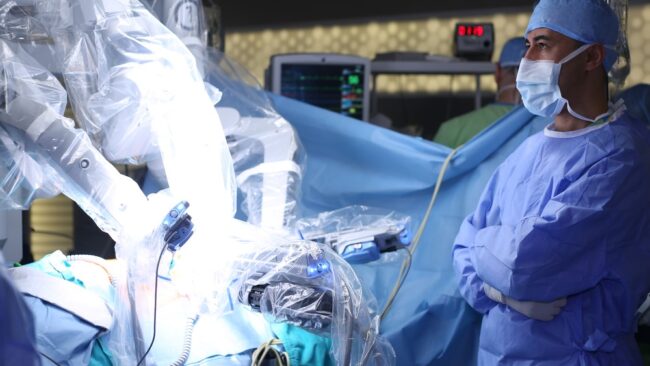
This video documents the very first lobectomy performed with the Versius system in the Americas. It was performed by Eduardo Pilla and Maria Theresa at the Moinhos de Vento Hospital in Porto Alegre in Brazil. This is a right upper lobectomy, and the team did a great job with the four-arm technique. The patient had…
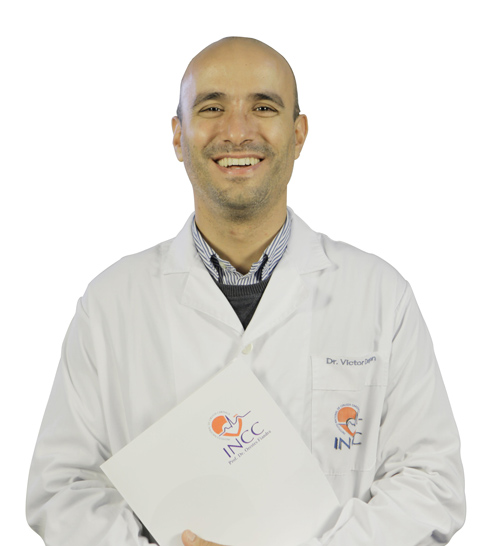
As a cardiac surgeon at Centro Cardiovascular Universitario and Instituto Nacional de Cirugia Cardiaca in Montevideo, Uruguay, Dr. Victor Dayan’s interests include evidence-based clinical practice, clinical trials, and mitral valve repair. He has been a CTSNet community member for over nine years, and outside of his practice Dr. Dayan is working on a master’s in…
Over the past few years, CTSNet has published valuable articles and videos on robotic-assisted thoracic surgery (RATS) from surgeons around the world. RATS is an innovative and ever-expanding technique that allows for greater opportunities in thoracic surgery. Read on to explore the diverse array of applications and benefits that RATS can have. 1. Robotic Lobectomy:…
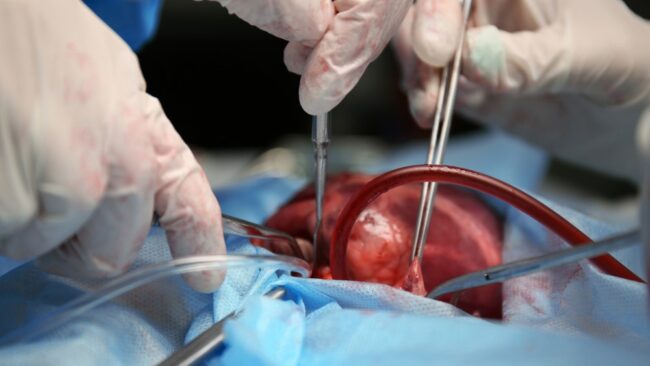
The patient was a ten-year-old, 43.3 kg girl who had a well-known diagnosis of Ebstein’s anomaly and underwent a previous electrophysiologic study with catheter ablation of an accessory conduction pathway because of Wolff-Parkinson-White syndrome. She presented with exertional fatigue and increased work of breathing. A transthoracic echocardiogram showed severe tricuspid valve regurgitation and typical features…
Spontaneous lobar or whole-lung torsion is a rare clinical phenomenon with only a handful of case reports published in the literature (1–5). Most instances are associated with a postoperative or post-trauma setting or in the setting of other pathology such as cancer or pleural effusion. Previous reports have described detorsion and/or surgical resection because of…
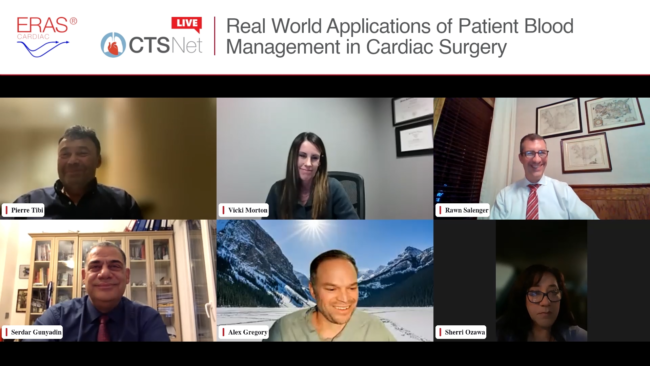
On December 14, 2022, CTSNet continued its collaboration with ERAS Cardiac Society in hosting the cardiovascular-themed webinar, “Real World Applications of Patient Blood Management in Cardiac Surgery.” Broadcasted to a live audience, the discussion featured presentations from blood management experts Pierre Tibi, Serdar Gunaydin, and Vicki Morton. The following discussion and Q&A session was moderated…
CTSNet’s Step-By-Step series uses diagrams and surgical videos to illustrate key technical elements of nine basic cardiothoracic surgical procedures. The authors also provide further reading for elaboration on each procedure. The series provides essential knowledge for trainees and beginning surgeons, and is helpful for those at any point in their career. 1. CTSNet Step-by-Step Series: Pacing…
Professor Rüdiger Lange (German Heart Center, Munich, Germany) presents the midterm results implanting the SimuForm™ Annuloplasty Ring, recorded during the EACTS Annual Meeting in Milan, Italy on October 14, 2021. Disclaimer The information in this video is intended only for healthcare professionals in countries where these Medtronic products and therapies are approved or available for…
Ventricular septal defect (VSD) occurs in less than 1 percent of patients suffering from myocardial infarction (1), but anterior or apical VSD provides more than 60 percent of all postischemic VSD (2,3). Left ventricular aneurysm (LVA) is a more frequent mechanical complication of myocardial infarction, yet later in the clinical course of infarction (4).…
OverviewThe goal of minimally invasive surgery (MIS) is to reduce surgical trauma to patients (1–5). The latest advances in MIS, as well as the increased availability of robotic platforms, are increasing the worldwide use of robotic assisted thoracoscopic surgery (RATS) in the treatment of lung cancer. Recently, major pulmonary resections were reported to be feasible…