Content from the Journal of the American Neurological Surgeons.
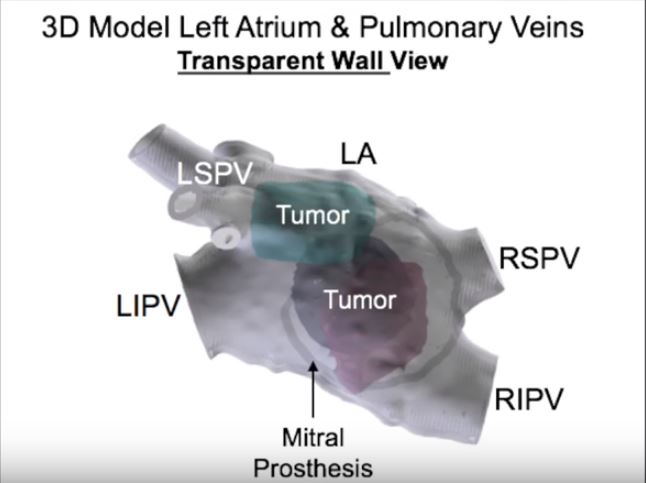
A complete surgical resection is the optimal treatment for heart tumors. In some cases (such as a large tumor or a tumor formed in a precarious location), the anatomic inaccessibility and relationship with other cardiac and surrounding structures can make resection of the tumor with a clear margin suboptimal and potentially complicated. 3D printing enables…
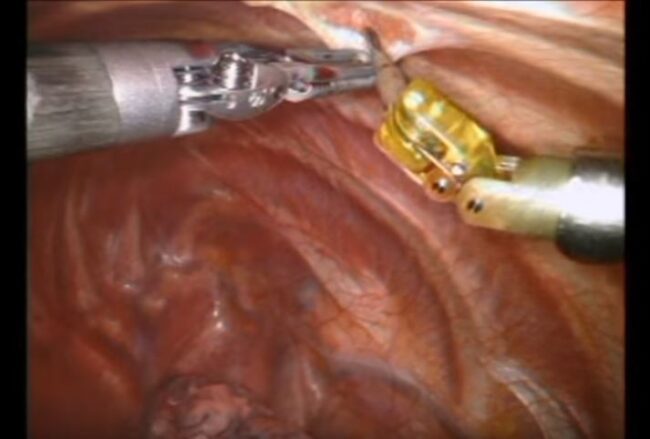
This video demonstrates the robotic approach for wedge resection, pleurectomy, and mechanical pleurodesis for recurrent spontaneous pneumothorax.
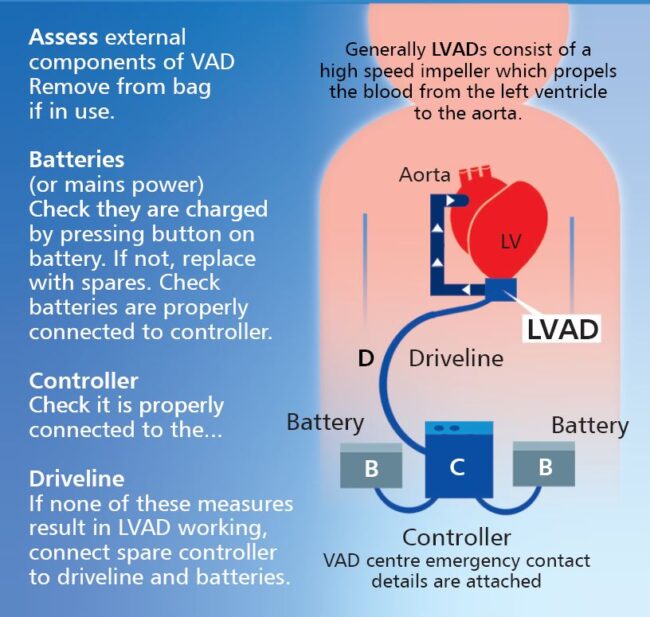
LVAD Resuscitation LVAD Resuscitation for Intensive Treatment Units LVAD Resuscitation for Wards These protocols are provided by the University Hospitals Birmingham NHS Foundation Trust.
Originally presented as a Surgical Motion Picture at the 2015 STSA Annual Meeting Objectives: This video demonstrates the surgical repair of transposition of the great arteries (TGA) with absent pulmonary valve (APV) in an infant. It specifically demonstrates a technique for pulmonary artery reduction/retrenchment (PART), which is useful for aneurysmal pulmonary arteries associated with APV.…
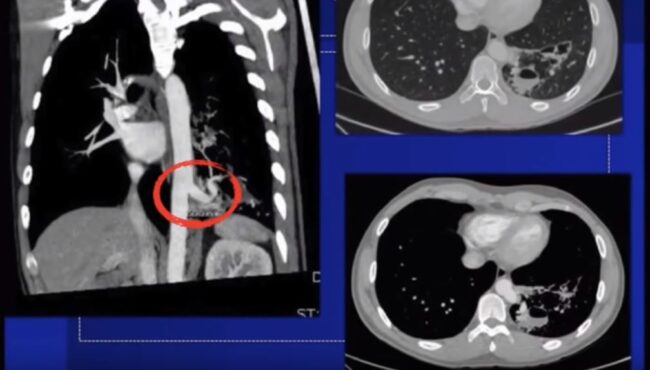
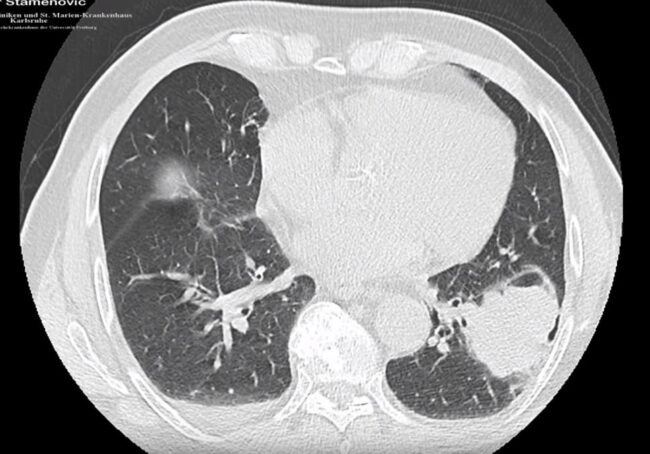
A 31-year-old male presented with a history of persistent cough and pneumonia. A CT scan showed extensive adhesions in the pleural cavity and a 15 mm aortic branch. A left lower lobectomy was performed, using one camera port and a utility incision. The inferior aspect of the lung and its vascular elements were dissected first.…
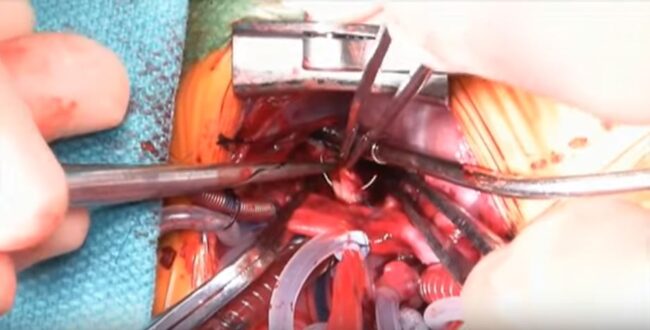
This video is a step-by-step guide for aortic valve replacement using a porcine stentless bioprosthesis via a modified subcoronary implantation technique. The stentless valve functions similarly to the native aortic valve and is hemodynamically superior to a stented prosthesis in the aortic position. The absence of a stent and sewing ring leaves more room for…
At the 2015 Duke Masters of Minimally Invasive Thoracic Surgery conference, Diego Gonzalez Rivas presented data from his program showing the safe and effective use of regional and conscious sedation techniques to perform complex thoracic surgery procedures on non-intubated patients. Instead of being greeted with enthusiasm or professional interest, the great majority of well-known giants in thoracic surgery…
The surgical technique of video-assisted thoracoscopic lobectomy is not standardized, and many technical variations have been described. The authors present a technique for performing a VATS lobectomy using a caudal approach.
This video shows an 81-year-old male patient with severe calcified aortic stenosis. He had several previous abdominal surgeries and presented with clinical frailty. LVF was 40% and there were no coronary lesions at the left heart catheter. The EuroScore I was 14.1%, EuroScore II was 2.8%, and the STS score was 4.1%. The case was…
This video demonstrates a technique for laparoscopic repair of a Morgagni hernia, with and without excision of the sac. Two cases are shown.
Originally presented as a Surgical Motion Picture at the 2015 STSA Annual Meeting Objectives: The superior vena cava-pulmonary artery connection (bidirectional Glenn) is the standard palliation for single ventricle physiology. When upper body systemic venous anatomic concerns such as superior vena cava stenosis, hypoplasia, or inadequate collateral tributaries are present, a Glenn may be precluded…
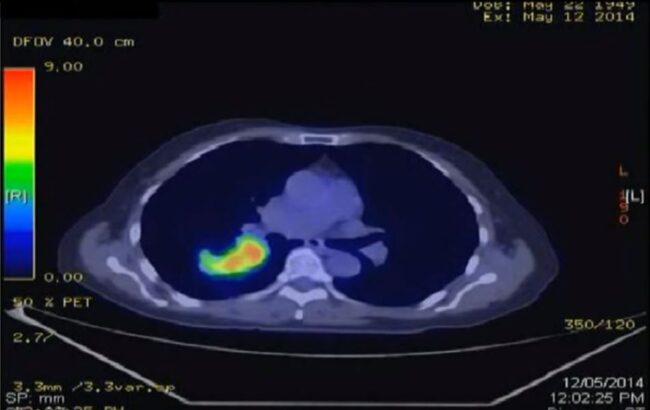
This video shows a completion pneumonectomy performed totally by video-assisted thoracoscopic surgery (VATS) on a 64-year-old female non-smoker. The patient underwent a right middle and lower lobectomy by thoracotomy in May 2014 for a T2N0M0 adenocarcinoma of the right lower lobe. The post-operative stay was prolonged for 10 days due to empyema. Repeat PET/CT scan…
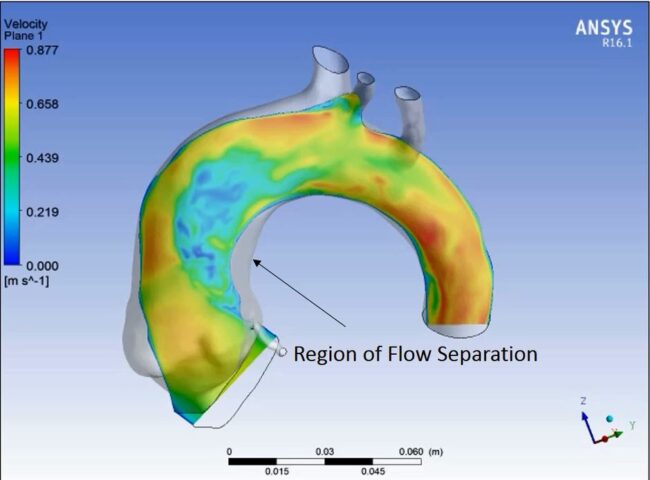
The Rastelli procedure is a complex surgery used to manage patients with transposition of great arteries (TGA) associated with ventricular septal defect (VSD) and left ventricular outflow tract obstruction (LVOTO). Computational fluid dynamics (CFD) simulation can be used to visualize and better understand the flow patterns, pressure gradients, and turbulence caused by the curved LVOT.…
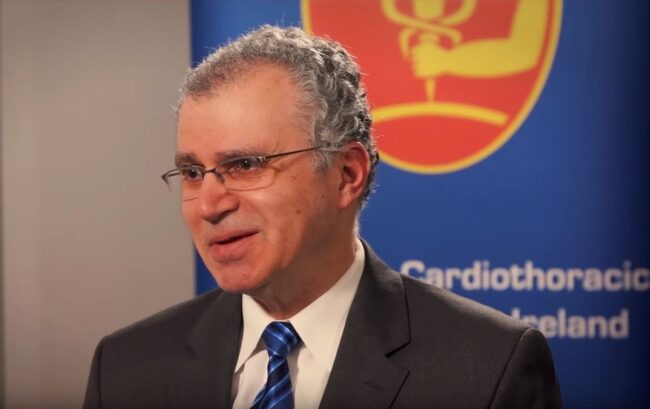
Filmed at the 2015 SCTS Annual Meeting in Manchester, United Kingdom, Mohamad Bashir interviews John Elefteriades. Dr. Elefteriades is the Director of the Aortic Institute at Yale University and Yale New-Haven Hospital in New Haven, Connecticut. Dr. Elefteriades shares insight into the diagnosis and surgical treatment of aortic aneurysm.
The author believes that a fissureless fissure-last technique for anatomical video-assisted thoracoscopic (VATS) resections is more effective than conventional VATS, with less air leak and shorter length of hospital stay. While there are several articles explaining how the fissureless fissure-last technique can be applied to both lobes in both open and thoracoscopic approaches, there are…
This video demonstrates a surgical technique for repairing a left pulmonary artery sling.