Content from the Journal of the American Neurological Surgeons.
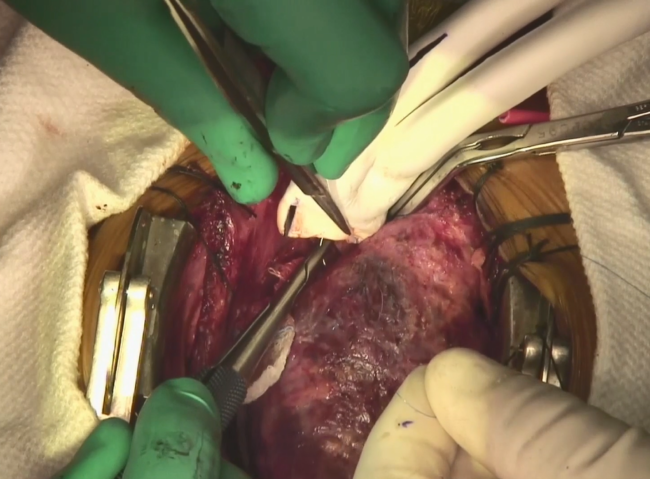
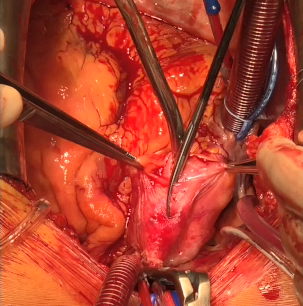
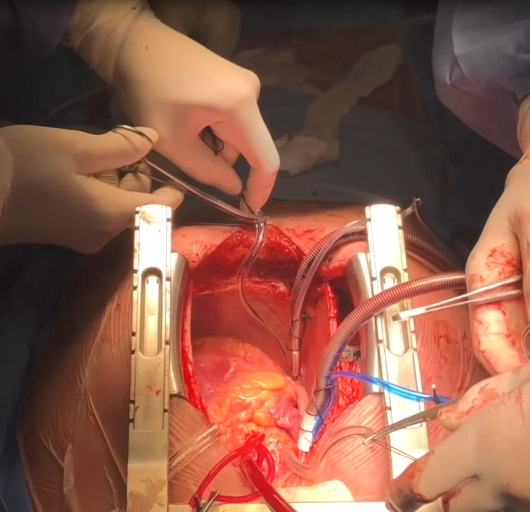
This video shows the authors’ technique of off-pump “clamp and sew” extracardiac Fontan completion in heterotaxy and dextrocardia. The patient was a 3-year-old boy who had a right dominant unbalanced complete atrioventricular septal defect with pulmonary atresia and transposition of the great arteries. He had bilateral superior venae cavae with left-sided inferior vena cava and…
CTSNet is excited to announce that “Arterial Switch Operation and Mee Procedure” by Alan O’Donnell has won first place in the 2019 Innovation Award Video Competition. Mr O’Donnell is a cardiothoracic surgery physician assistant at Cincinnati Children’s Hospital Medical Center in Ohio. In this video, CTSNet Associate Editor Joel Dunning congratulates Mr O’Donnell on his…
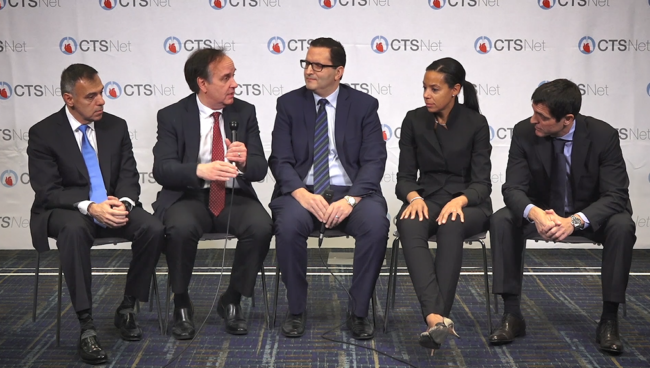
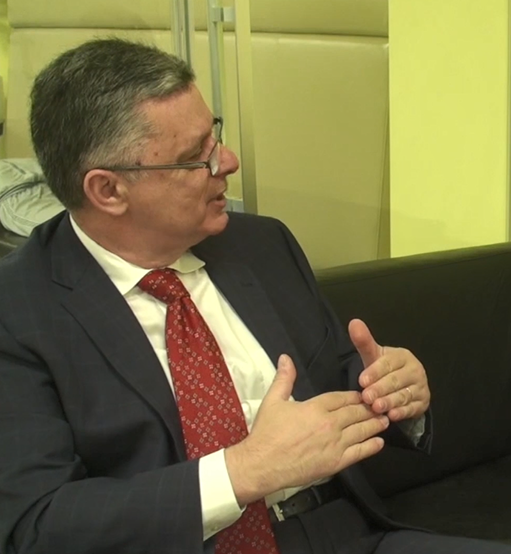
Filmed at the 2020 STS Annual Meeting in New Orleans, Louisiana, Faisal Ghazi Bakaeen of the Cleveland Clinic in Ohio, USA, moderates a discussion on coronary artery bypass grafting (CABG). Dr Bakaeen is joined by Joseph F. Sabik of the University Hospitals Cleveland Medical Center in Ohio, USA; Michael E. Farkouh of the University of…
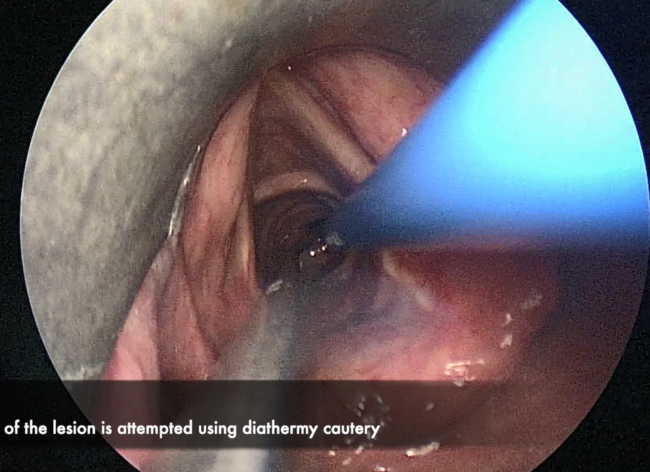
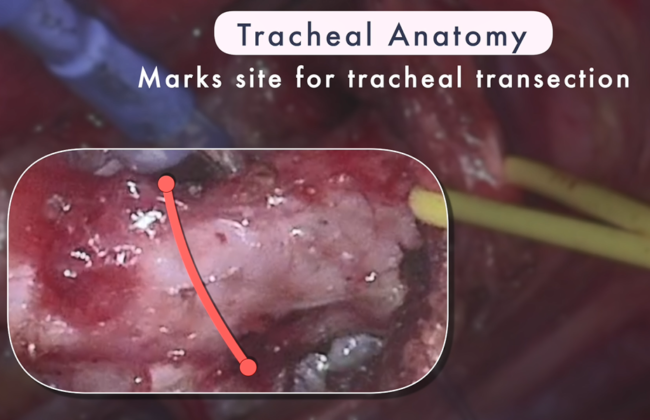
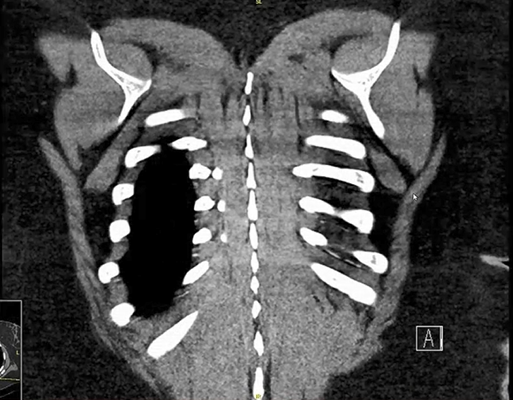
A 58-year-old man with a recent stroke presented with neck pain and dysphagia. He underwent a CT scan of the thorax, which demonstrated a polypoid lesion in the trachea. He had no other significant past medical history other than hypertension. He was offered surgical excision of the lesion. Under direct laryngoscopy, a 0 degree thoracoscope…
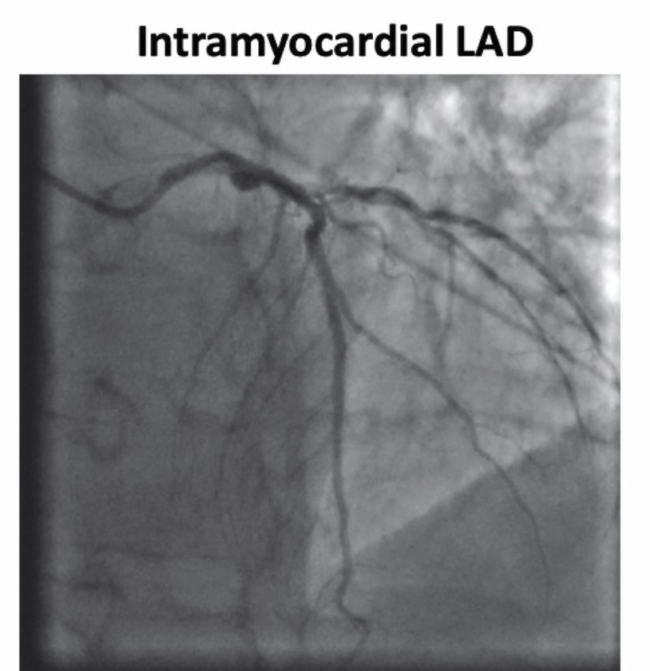
The intramyocardial LAD poses a challenge for LIMA-to-LAD anastomosis, especially in the case of an off-pump or minimally invasive approach, so the artery should be detected preoperatively to choose a safe surgical strategy. In this educational video, the authors explain how to detect an intramyocardial left anterior descending coronary artery on angiography. Disclaimer The information…
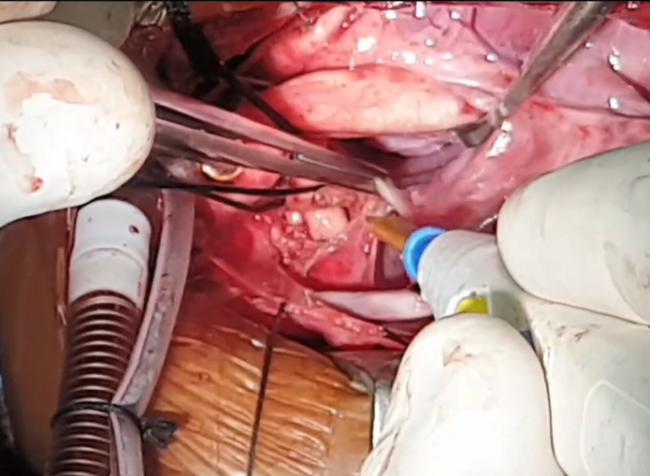
The aim of this video is to highlight the surgical details of a modified button-Bentall operation specifically designed to incorporate any type of prosthetic valve in composite conduit aortic root replacement. The authors’ technical modification allows composite conduit creation and proximal suture line construction as a single-step maneuver. Moreover, the proximal suture line is reinforced…
Konstandinos A. Plestis has performed over 1,200 aortic operations over the course of his 25-year practice. In this video, he gives his views on many issues that may help surgeons deal with this emergency situation. This video was filmed at AMICS 2019 in Moscow, Russia. Disclaimer The information and views presented on CTSNet.org represent the…
The patient was a 2-year-old girl with VACTERL syndrome. The patient had been adopted from China at two years of age. In China, she underwent unknown procedures to repair her spina bifida and imperforate anus. The patient also had butterfly vertebrae, renal anomalies, bilateral club feet, and tethered cord. Following adoption, the patient underwent bilateral…
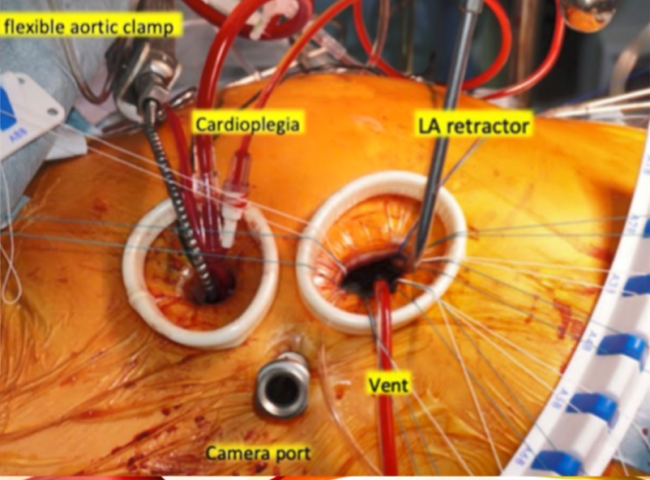
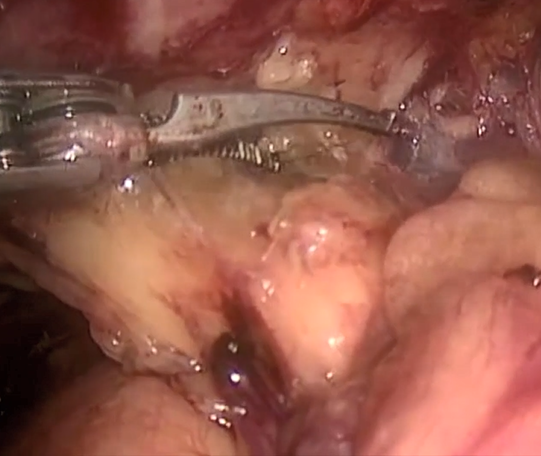
Surgical resection is the first line of therapy for cardiac tumors. Some studies suggest that a totally endoscopic surgery technique results in better cosmetic outcomes (1, 2) and a 3D endoscopic view provides better visualization of structures deep in the chest cavity (2) compared with conventional sternotomy. Herein, the authors report a totally 3D endoscopic…
In this video, the technique of a modified biatrial approach for a 7-month-old, 3.6 kg boy who presented with an obstructed TAPVC to the coronary sinus is shown. Median sternotomy was done, and the aorta and RA appendage were cannulated. During cooling, the ligamentum was divided and the LPA was looped so that the left…
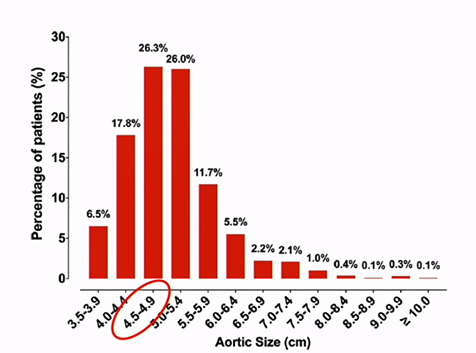
Thoralf M. Sundt of Massachusetts General Hospital in Boston presents a discussion on the natural history of thoracic aortic aneurysms. He discusses definitions of the disease and guidelines for intervention. This presentation was originally given during the SCTS Ionescu University program at the 2019 Annual Meeting of the Society for Cardiothoracic Surgery in Great Britain…
This is a video of a right VATS thymectomy. The authors use the ArtiSential® wristed instruments and a camera holder to perform surgeon-powered robotics. This instrument looks and feels exactly like a robotic operation and can do everything that robots do, but it is powered completely by the surgeon and not by a robot. Other…
Case Presentation This is the case of a 62-year-old man (recipient patient) with a history of idiopathic dilated cardiomyopathy, symptomatic for dyspnea (New York Heart Association classification III), and a left ventricular ejection fraction of 36%. Additional patient information includes a height/weight of 168 cm/ 90 kg and AB+. A donor patient matches for this…
Bronchopulmonary sequestration is a rare disorder affecting 0.15 to 6.4 percent of all congenital pulmonary malformations. Treatment via embolization or surgery has been previously described. The authors report an intralobar pulmonary sequestration in an adult patient that was successfully treated with a hybrid approach of transarterial embolization followed by thoracoscopic segmentectomy. The patient was a…
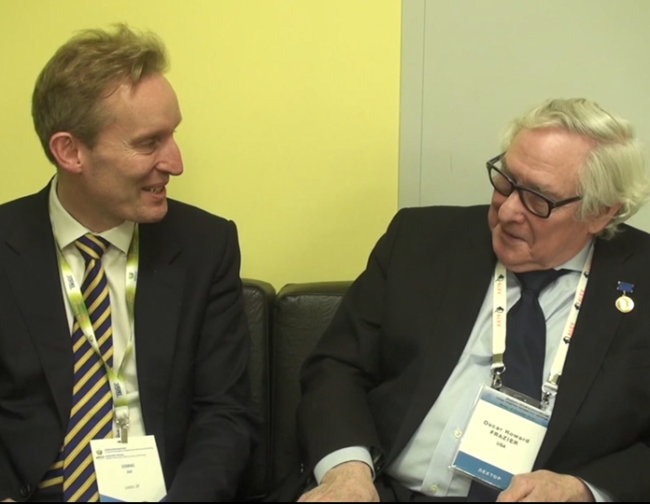
In this Giants of Cardiothoracic Surgery interview, Joel Dunning speaks with Oscar Howard “Bud” Frazier about his career. Dr Frazier trained with Michael DeBakey and Denton Cooley while they were developing the first mechanical heart. He continued and advanced this work throughout his career while also performing over 1,200 heart transplants and over 500 left ventricular…
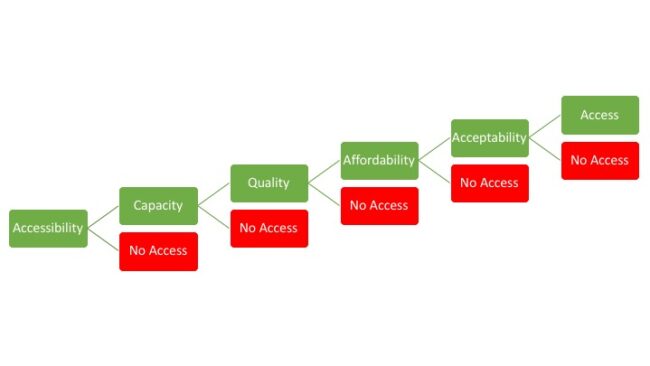
Traditionally, global health has concerned itself about infectious diseases and maternal and child health, disregarding access to surgical services when needed for the world’s population (1). In 2015, the Lancet Commission on Global Surgery and the World Health Organization’s World Health Assembly Resolution WHA68.15 positioned surgery as an indivisible, indispensable part of health care (1-3).…