Content from the Journal of the American Neurological Surgeons.
Tom C. Nguyen of the University of Texas in Houson, USA, moderates a discussion on the changing medical publication world, with a particular focus on cardiothoracic journals. Dr Nguyen is joined by Friedhelm Beyersdorf of the University of Freiburg in Germany and Editor-in-Chief of the European Journal of Cardio-Thoracic Surgery, and Richard Weisel of Toronto…
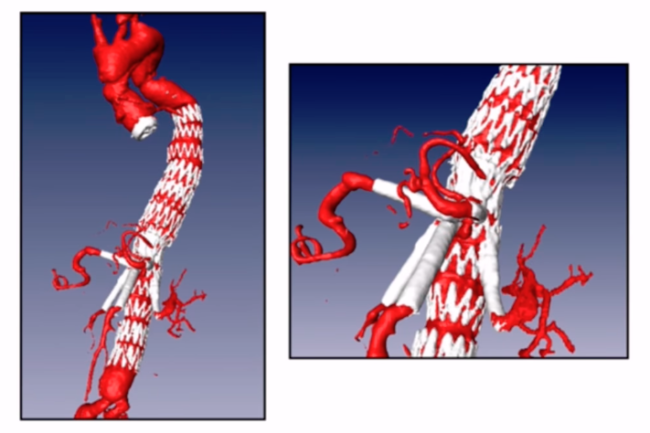
Aung Ye Oo of The Barts Heart Centre in London, United Kingdom, discusses the use of endovascular stents in patients with connective tissue disorders. He concludes that substantial evidence on the topic is lacking and that stenting in these patients should be limited to bridging patients to open surgery or in patients for whom open…
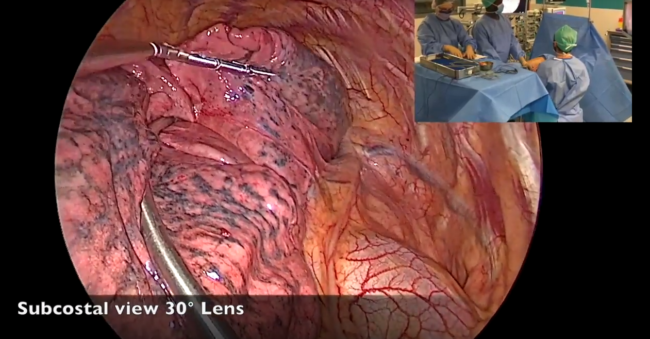
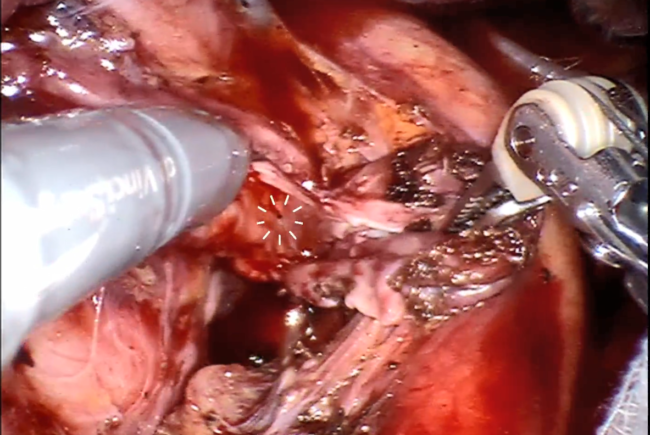
This video demonstrates a right upper lobectomy through a subxiphoid biportal approach. The authors use a biportal approach, divided in a 4 cm working port through a paramedian incision and a second port, 15 mm long incision coming through diaphragmatic insertion, without any damage, and dedicated to an articulated grasper for exposition and a 30°…
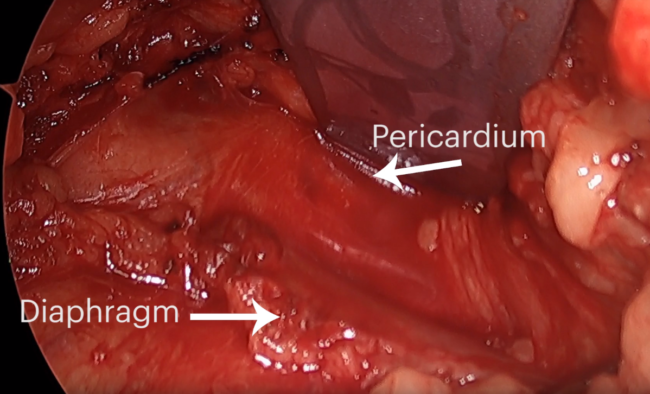
A subxiphoid pericardial window is generally indicated for management of symptomatic pericardial effusion. Imaging Generally, the patient will have had some type of imaging study, most often an echocardiogram or a computed tomography scan of the chest. It is important to review these studies prior to surgery to get a sense of the size of…
Figure 1. Chest x-ray, suggestive of tension pneumothorax. A 45-year-old man came to the emergency department complaining of progressive shortness of breath for 10 days. He also complained of vomiting and absolute constipation for four days. He had a past history of left stab to the chest for 1.5 years. Examination revealed the patient was…
Shruti Jayakumar of St George’s University Hospital in London, UK, interviews Martin Elliott of the Great Ormond Street Hospital for Children in London and John McKenna of Edinburgh, UK, about the changes in cardiac surgery that have been most interesting and impactful during the course of their respective careers. They discuss the changes in the…
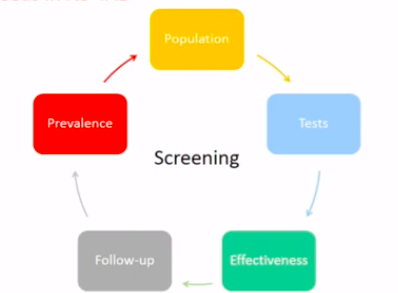
Giovanni Mariscalco of the University of Leicester Glenfield Hospital in the UK discusses the need for improved guidelines on screening patients for nonsyndromic thoracic aortic disease. He reviews the incidence of disease in relatives of patients, and he highlights the potential usefulness of determining underlying genetics. This presentation was originally given during the SCTS Ionescu…
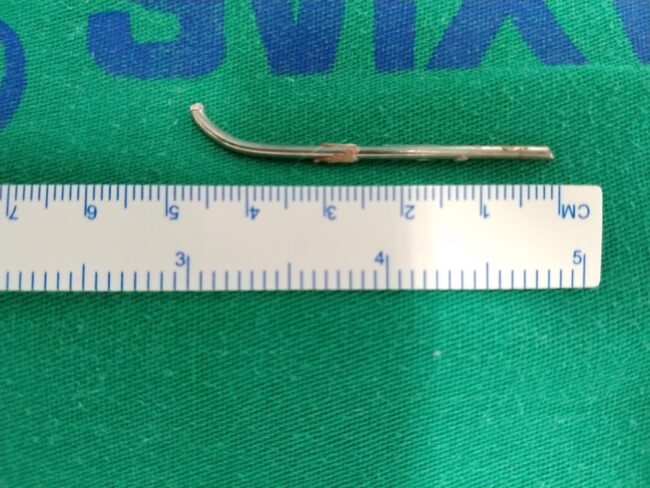
Introduction Kirschner wires (K-wires) and Steinman pins have been used to fix fractures of the thorax, perhaps less frequently nowadays because of the appearance of better devices such as titanium plates and screws. Migration of these metallic wires and pins into different intrathoracic structures has been reported and may lead to catastrophic events. It is…
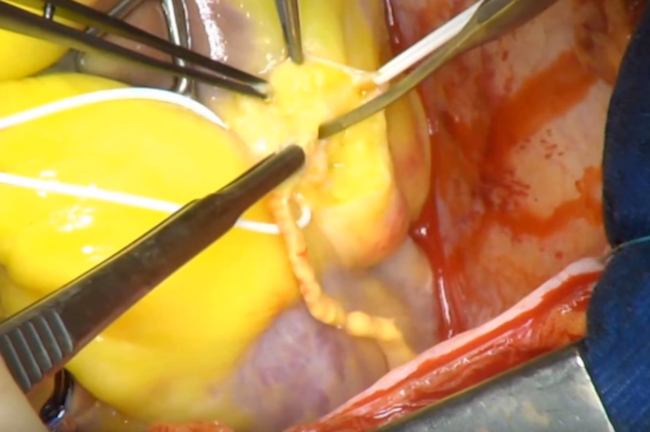
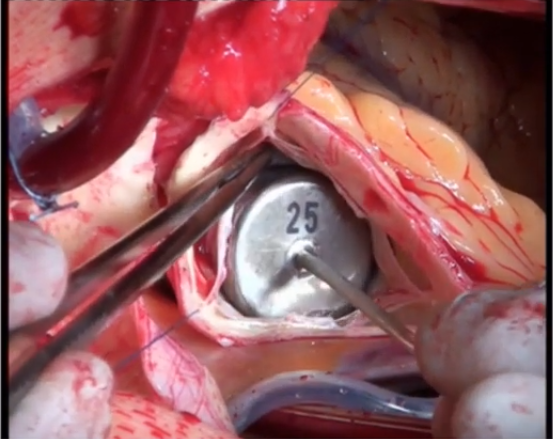
Patients with diffuse coronary artery disease are usually judged not to be candidates for percutaneous or surgical intervention. In this video, the authors present a triple coronary endarterectomy (CEA) in a patient with severe coronary artery disease using a closed-traction technique (traction-CEA). Patient Demographics A 68-year-old man presented with stable angina pectoris and dyspnea on…
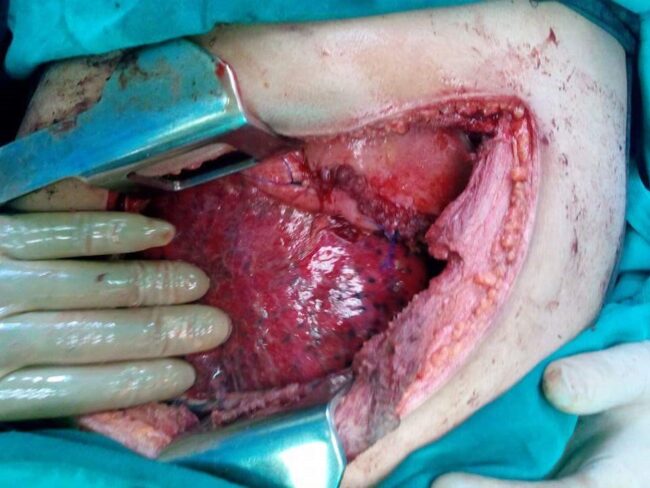
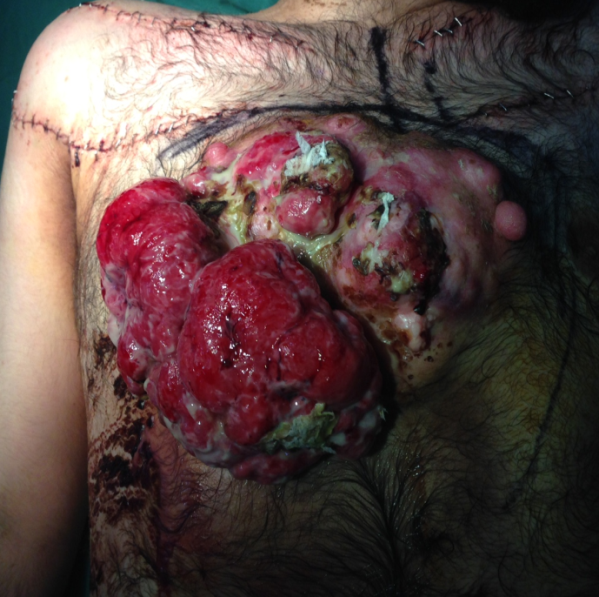
Introduction Dermatofibrosarcoma protuberans (DFSP) is a relatively uncommon cutaneous malignancy. Although metastasis rarely occurs, DFSP is a locally aggressive tumor with a high recurrence rate. It arises from the dermis and invades deeper tissues (eg, fat, fascia, muscle, bone) [1]. DFSP is the most common type of cutaneous sarcoma, with an incidence of 0.8 to…
STS President Keith S. Naunheim of St. Louis University in Missouri presented his Presidential Address, “Anger Management 101: Why Am I Angry? Let Me Count the Ways,“ from the 55th STS Annual Meeting in San Diego, California.
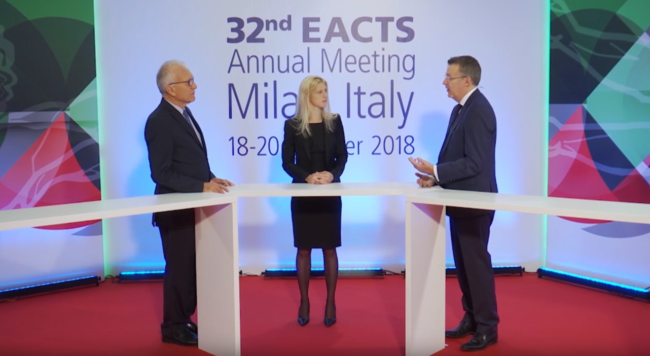
Filmed at the 2018 EACTS Annual Meeting in Milan, Italy, Leanne Harling of Imperial College in London, UK, moderates a discussion on the management of pectus deformities. Ms Harling is joined by Mustafa Yuksel of Marmara University Medical School in Istanbul, Turkey, and Ian Hunt of St. George’s Hospital in London. They focus on the functional…
Hans-Joachim Shäfers of Saarland University Medical Center in Germany presents his tips and tricks for aortic root remodeling. This presentation was originally given during the SCTS Ionescu University program at the 2018 Annual Meeting of the Society for Cardiothoracic Surgery in Great Britain and Ireland. This content is published with the permission of SCTS. Please click here for…
The patient was a 35-year-old woman who had reported experiencing an intermittent and really productive cough for several years that was very offensive and troublesome in nature. She also reported intermittent chest infections over the years. She was diagnosed with a left main bronchus cyst from her noncontrast computed tomography scan after excluding an esophageal…
Om P Yadava of the National Heart Institute in New Delhi, India, and Roberto Di Bartolomeo of the University of Bologna in Italy discuss the redo aortic surgeries and recent advances like the frozen elephant trunk and endovascular repair. Dr Yadava begins by asking why redo aortic surgeries are needed and what their incidence is.…
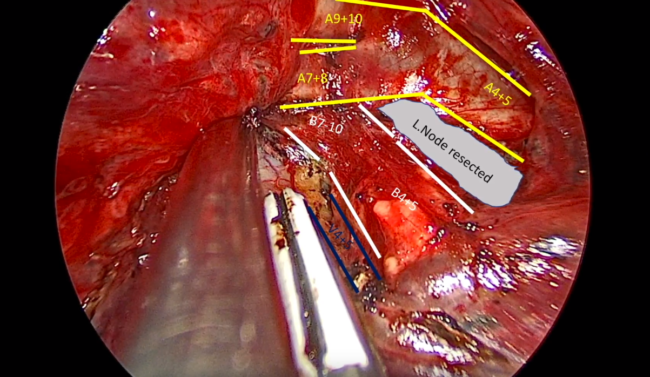
Anatomic sublobar resections have been used primarily for benign pulmonary lesions, lung metastases, and early stage lung cancer. There are many recent studies that support the oncological results of anatomic sublobar resections compared to lobectomy in terms of recurrence and overall survival [1-8]. In addition, the procedure’s performance through minimally invasive procedures is possible by…