Content from the Journal of the American Neurological Surgeons.
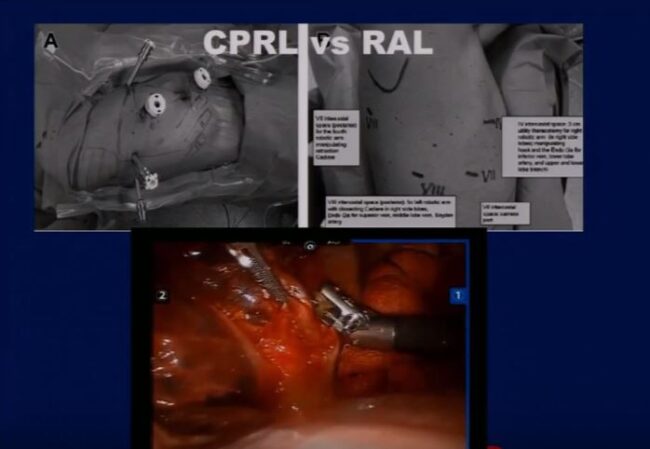
Alper Toker of Florence Nightingale Hospital, Istanbul, Turkey, argues for the increased use of robotic approaches for lung resection procedures. Dr. Toker presents clinical data to support his position that a robotic approach is beneficial when performing a pneumonectomy, lobectomy, or segmentectomy. This presentation was originally given during the SCTS Ionescu University program at the…
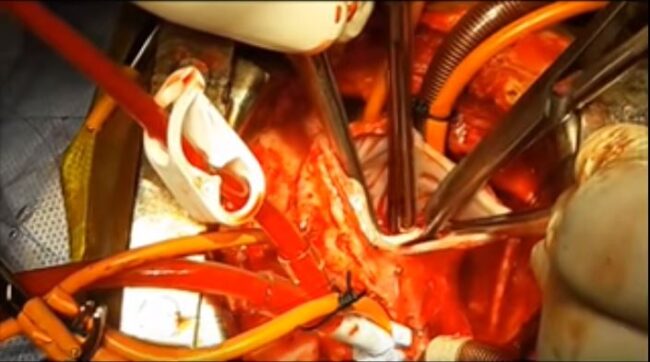
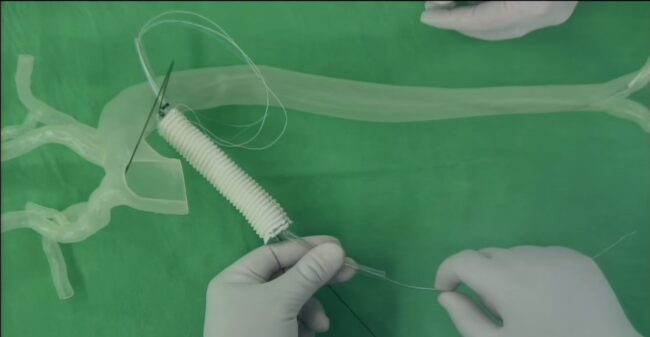
A four-year-old male child presented with recurrent respiratory tract infection, status post total anomalous pulmonary venous connection repair at 2 years of age. During the previous surgery, the inferior vena cava (IVC) was routed to the left atrium (LA) and directed towards the right atrium (RA). This video shows the rerouting of the IVC into…
A 65-year-old female patient was admitted to the author’s clinic for the treatment of a predominantly lepidic adenocarcinoma located in the superior segment of the right lower lobe. Due to the ideal location and size, anatomical segment resection and radical lymphadenectomy was planned. A fissure-last, video-assisted thoracoscopic (VATS) resection of the superior segment of the…
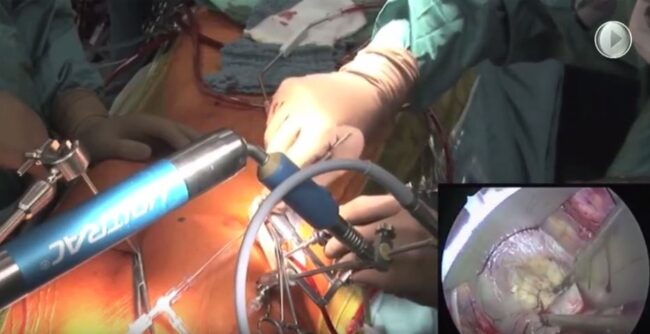
Torsten Doenst of Friedrich Schiller University, Jena, Germany, discusses surgical strategies for challenges faced during minimally invasive mitral valve surgery. Dr. Doenst describes a variety of techniques for dealing with cases of mitral annular calcification, significant peripheral artery disease, and severe aortic regurgitation/stenosis. This presentation was originally given during the SCTS Ionescu University program at…
Direct closure was the first described surgical treatment for complete atrioventricular canal (CAVC) (1). At the expense of increasing complexity, double-patch repair was introduced to minimize the risk of left ventricular outflow tract (LVOT) obstruction and heart block due to a repair under tension. Modified single-patch repair, which forgoes the VSD patch, has been shown…
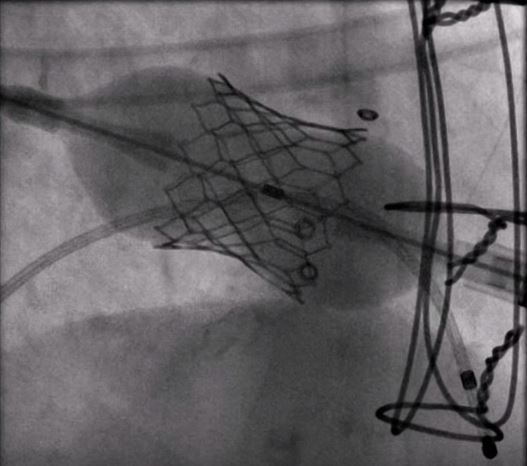
Transcatheter aortic valve replacement (TAVR) has gained worldwide acceptance for the treatment of aortic stenosis in high risk patients. Interestingly, transcatheter mitral valve repair (TMVR) is in the initial phase with reduced implantations. One of the reasons for the difference in acceptance of the two approaches is the complex anatomy of the native mitral valve…
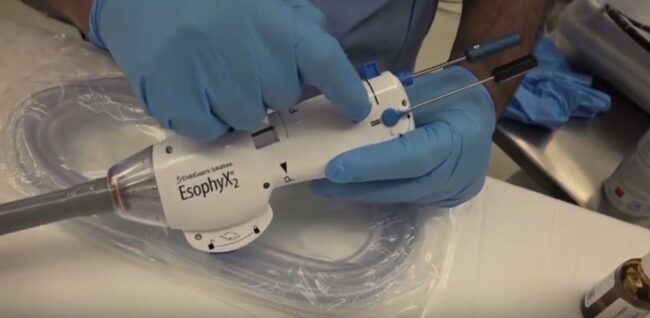
This video describes the technique of transoral incisionless fundoplication (TIF procedure). A partial fundoplication is created endoscopically in a patient with gastroesophageal reflux disease. The video provides an overview of instrumentation and important steps in creating the fundoplication.
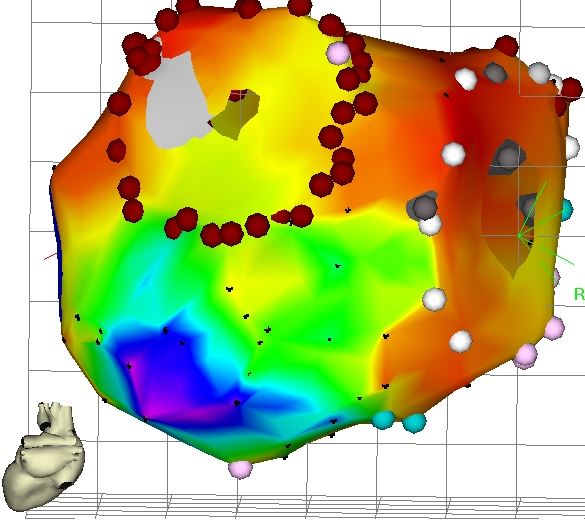
Introduction Atrial fibrillation (AF) is a common rhythm disorder that is responsible for significant morbidity and mortality due to thromboembolism, stroke, and heart failure, in addition to adverse reactions secondary to the use of antiarrhythmic drugs (1, 2, 3). Valvular heart diseases, especially of the mitral valve, cause structural cardiac changes, atrial remodeling, and increase…
Gaetano Rocco of the National Cancer Institute, Naples, Italy, provides an overview of the surgical techniques and materials used for reconstruction after chest wall resection. Dr. Rocco discusses the pros and cons of synthetic/conventional and biological materials, and shows several examples of chest wall reconstructions. This presentation was originally given during the SCTS Ionescu University…
This video highlights the general approach to both complete and partial sternal cleft repair in two pediatric patients. The preoperative presentation was dramatic as both patients presented for surgery later in life (at three and seven years old) due to poor socioeconomic status and difficulty accessing specialty cardiac care. Both patients had stable repairs and…
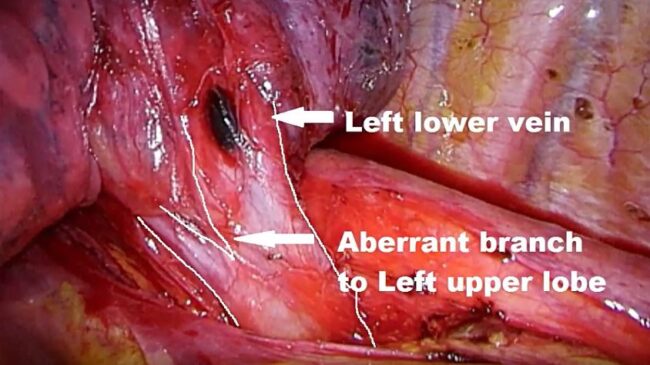
This video shows a uniportal VATS left lower lobectomy. The dissection was performed down to up, and an aberrant vein was incidentally found.
Filmed at the 2016 STS Annual Meeting in Phoenix, Arizona, a group of experts discuss the future of aortic stenosis treatment. Tom Nguyen of the University of Texas, Houston, is joined by Edward Chen of Emory University, Atlanta, Georgia; Joseph Lamelas of Mount Sinai Medical Center, Miami Beach, Florida; and Kendra Grubb of the University…
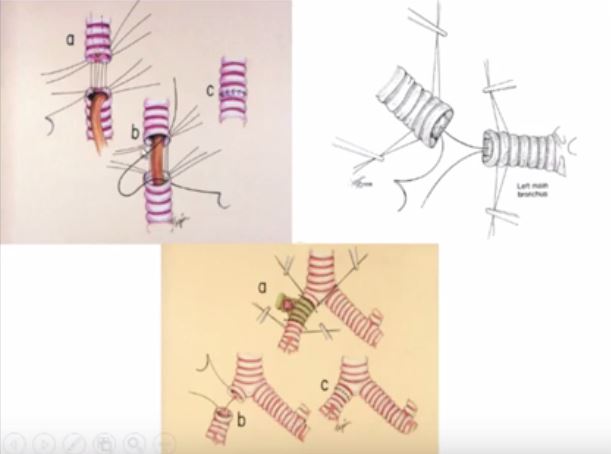
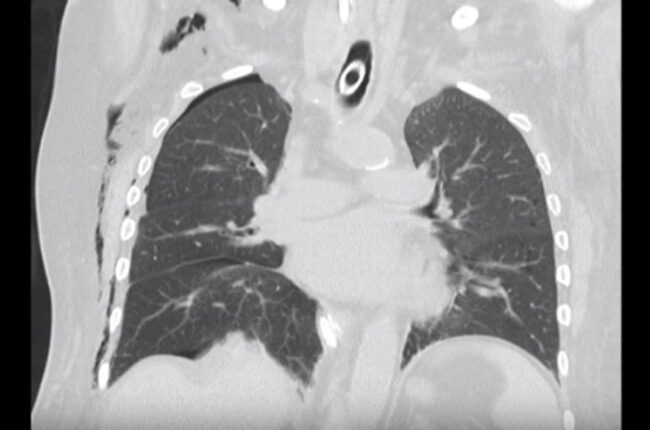
Douglas Mathisen of Massachusetts General Hospital, Boston, MA, gives an in-depth talk on tracheal resection. Dr. Mathisen shares insight into the areas of post-intubation stenosis and idiopathic subglottic stenosis. This presentation was originally given during the SCTS Ionescu University program at the 2016 Annual Meeting of the Society for Cardiothoracic Surgery in Great Britain and…
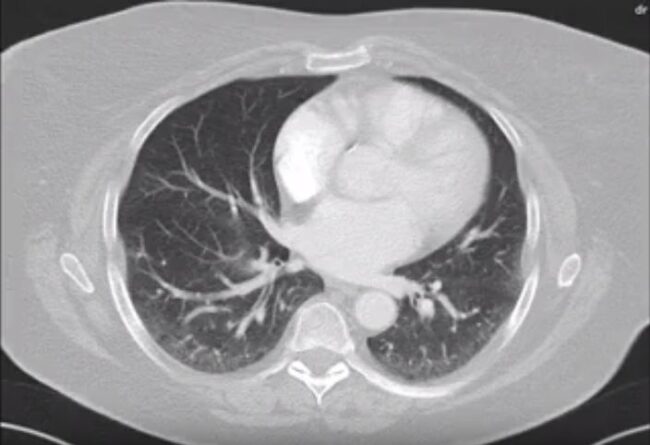
A 60-year-old patient was referred to the author’s clinic for operative treatment of diaphragm eventration with an unknown cause. Two months prior, the patient had been treated at another hospital for arterial embolism of the right leg, which was subsequently amputated. She was unable to be extubated, without obvious reason. Correction of the right hemidiaphragm…
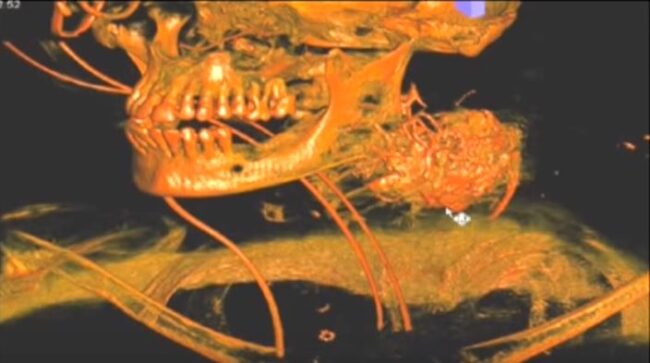
Carotid body tumors are amongst the most vascular tumors encountered. Many surgeons opt for trans-arterial embolization using glue or onyx, or PVA particles for large tumors. Generally, the tumor blood supply arises from the external carotid branches. However, as the circulation is very variable, non-target organ embolization (especially of the brain) is a major concern.…
Click below to view the full protocol. This protocol is provided by James Cook University Hospital.