Content from the Journal of the American Neurological Surgeons.
This video is part of CTSNet’s 2024 Innovation Video Competition. Watch all entries into the competition, including the winning videos. Although the arterial switch operation (ASO) is the procedure of choice worldwide, it requires early diagnosis and referral to a specialized center. The facilities and expertise required to achieve this target are lacking in many…
History of Presenting Illness The patient was a 37-year-old female with a history of ischemic cardiomyopathy due to spontaneous coronary dissection and a status post HeartMate 3 LVAD placement in June 2019, complicated by recurrent driveline infections. She presented with unresponsiveness and low LVAD flows. Over the previous several days, she had experienced lightheadedness and…
Tracheobronchomalacia (TBM) is a disease characterized by narrowing of the central airways, including the trachea and mainstem bronchi. Clinically, symptoms such as cough and dyspnea on exertion can make the diagnosis of tracheobronchomalacia difficult, and clinicians are often misled into diagnosing patients with recurrent pneumonia prior to making an accurate diagnosis. Fortunately, tracheobronchoplasty offers rapid…
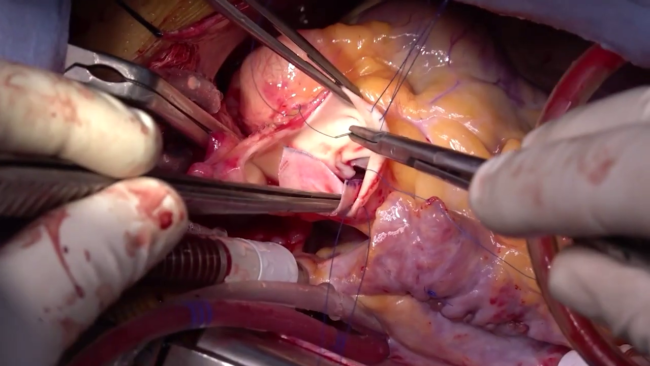
A 29-year-old female patient with symptomatic rheumatic heart disease was confirmed to have severe mitral regurgitation and mild to moderate tricuspid regurgitation on echocardiographic examination. The diseased mitral valve leaflets were excised with posterior chordal preservation and replaced with a 31 mm TTK Chitra mechanical prosthetic valve through a midline sternotomy and trans-left atrial approach. The…
In May 2024, the American Society for Artificial Internal Organs assembled leading cardiothoracic surgeons to exchange insights and expertise on advanced topics in cardiothoracic surgery. Watch for more ASAIO 2024 videos in the coming weeks. At the American Society for Artificial Internal Organs (ASAIO) 2024 Annual Conference, President Pramod Bonde presented “Art, Anthropology, Archaeology, and Artificial…
This video is part of CTSNet’s 2024 Innovation Video Competition. Watch all entries into the competition, including the winning videos. An 18-year-old female with a recent history of fever presented with chest pain, palpitations, and worsening dyspnea on exertion over the past month. She had been treated with a course of antibiotics one month earlier and…
At the 2024 Women in Thoracic Surgery Inaugural Annual Conference, CTSNet interviewed some of the most accomplished women cardiothoracic surgeons from around the globe. Stay tuned for more interviews from the meeting. At the 2024 WTS conference, Dr. Marianna Papageorge spoke with Dr. Nicole Geissen about Dr. Geissen’s study on lung cancer screening. They discussed what we…
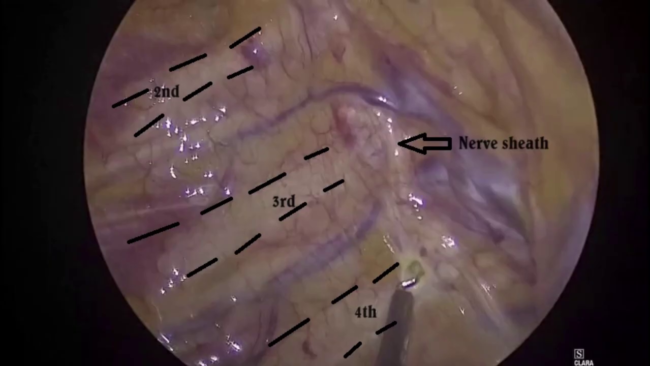
This video is part of CTSNet’s 2024 Innovation Video Competition. Watch all entries into the competition, including the winning videos. Primary hyperhidrosis can be managed through both medical and surgical methods; however, surgery offers a significant improvement in quality of life. Traditionally, two primary surgical interventions were used to treat the condition: sympathectomy, which involves the…
Transcatheter palliation with pulmonary flow reducers in premature neonates with massive left-to-right shunts or high-risk single ventricle neonates is an effective strategy to prevent pulmonary overcirculation. The use of these modified vascular plugs helps regulate excessive blood flow within the pulmonary circulation to prevent complications that arise from congenital heart disease. This strategy allows for…
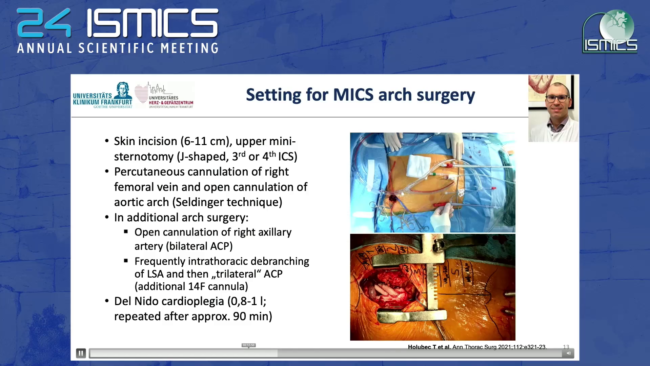
In May 2024, the International Society for Minimally Invasive Cardiothoracic Surgery brought together professionals in the field of cardiothoracic surgery to discuss and share knowledge on minimally invasive techniques. Watch for more ISMICS 2024 videos in the coming weeks. At the International Society for Minimally Invasive Cardiothoracic Surgery Annual Scientific Meeting 2024, Tomas Holubec presented…
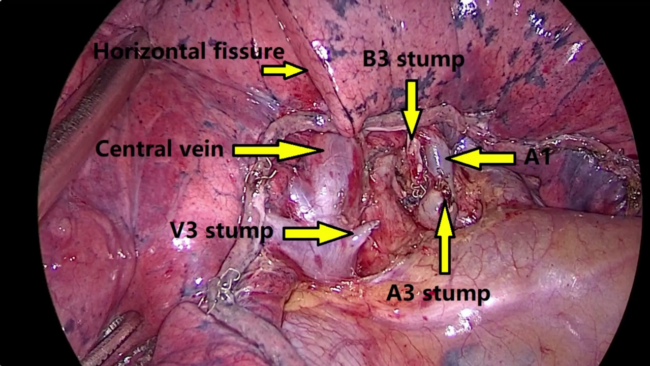
This video is part of CTSNet’s 2024 Innovation Video Competition. Watch all entries into the competition, including the winning videos. A 37-year-old female patient was found to have a 7 mm pure ground-glass opacity (GGO) in the anterior segment of the right upper lobe. After one year of follow-up, the nodule had increased to 1 cm…
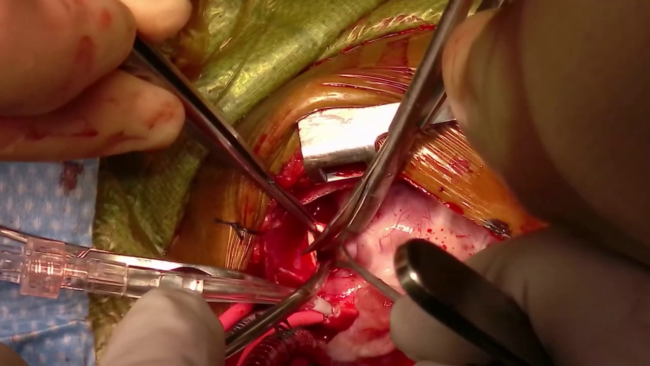
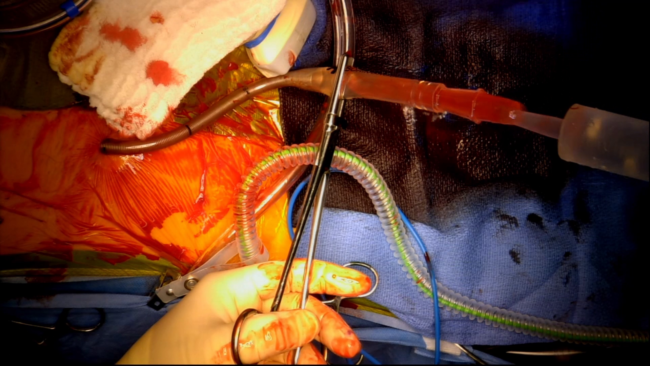
Percutaneous femoral venous cannulation is an essential skill for cardiac surgeons, particularly useful prior to redo sternotomy, minimal access valve surgery, ECMO, and for venous drainage during open thoracoabdominal aneurysm repairs. This technique avoids the need for surgical cutdown and reduces the associated groin complications, such as infection or lymphocele. It is crucial to follow certain…
The patient was a 2-year-old, 12.8-kilogram girl who had the typical features of Scimitar Syndrome (SS) with a partial anomalous pulmonary venous connection (TAPVC) and a hypoplastic right lung. She also had pulmonary hypertension and an atrial septal defect (ASD). She had previously undergone transcatheter coil occlusion of systemic aortopulmonary collaterals and device closure of…
This video is part of CTSNet’s 2024 Innovation Video Competition. Watch all entries into the competition, including the winning videos. Carinal reconstruction remains a technically challenging procedure for thoracic surgeons due to the complexity of airway resection and management. It is typically performed in the setting of tumor resection affecting the carina and distal trachea. …
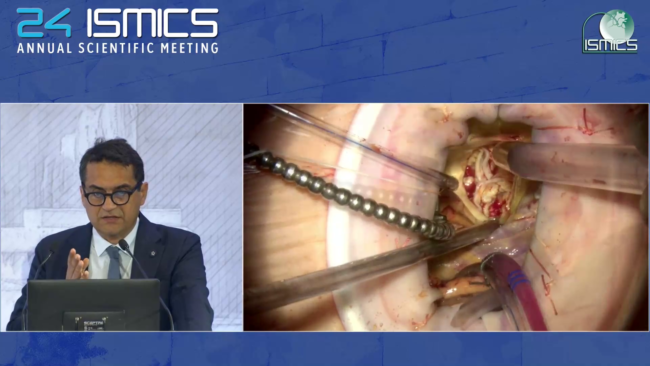
In May 2024, the International Society for Minimally Invasive Cardiothoracic Surgery brought together professionals in the field of cardiothoracic surgery to discuss and share knowledge on minimally invasive techniques. Watch for more ISMICS 2024 videos in the coming weeks. At the International Society for Minimally Invasive Cardiothoracic Surgery Annual Scientific Meeting 2024, Marco Di Eusanio…
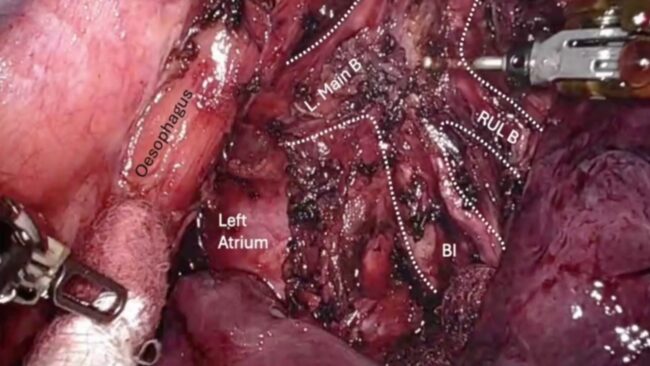
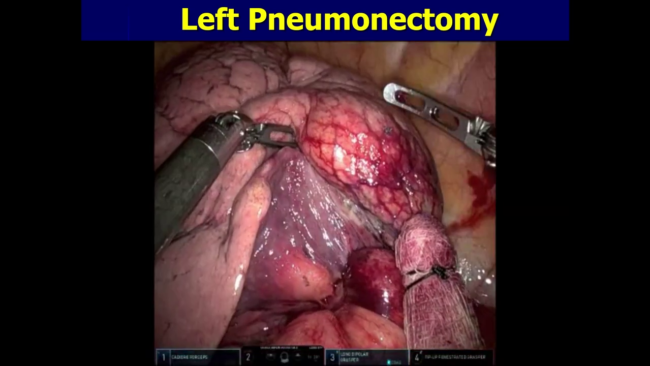
Neoadjuvant chemoimmunotherapy has emerged as a treatment option for advanced lung cancer (1). There has been concern about the technical difficulty of pulmonary resection due to inflammatory changes in vascular structures, loss of tissue planes, and vascular fragility following chemoimmunotherapy; however, reports have demonstrated the safety and feasibility of resection following neoadjuvant treatment (2, 3).…