Content from the Journal of the American Neurological Surgeons.
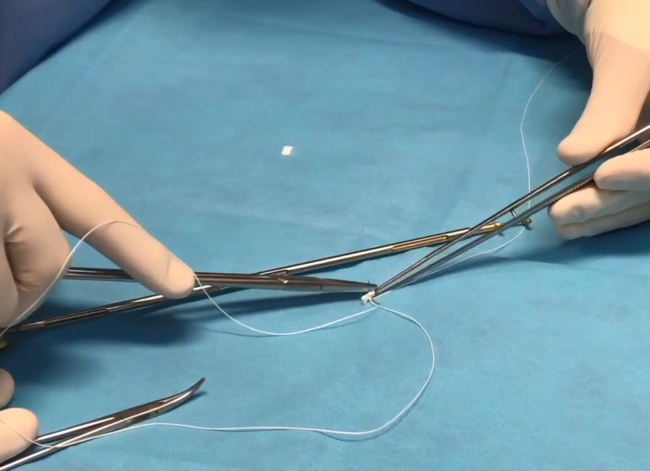
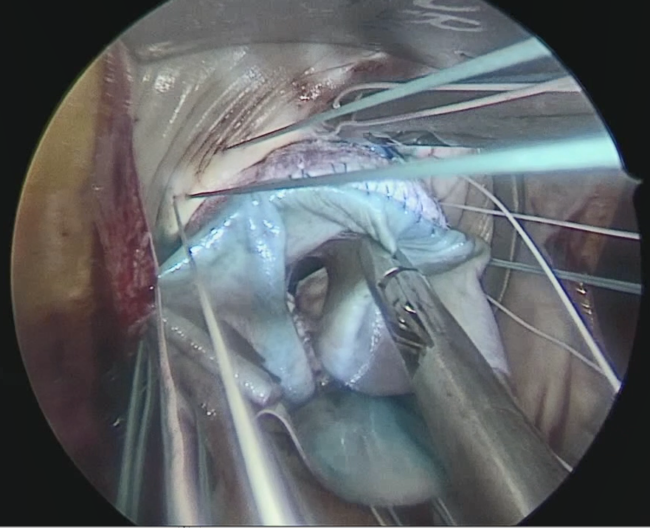
Case PresentationsThis guide shows two groups. The first group is mitral valve repair, including: Posterior prolapse Barlow disease Commissure fusion Mitral annular dilatation There are associated procedures, such as how to make the loop, automated suturing device, 3D technology, and atrial fibrillation ablation. The second group is mitral valve replacement, including: Endocarditis Rheumatic disease Redo-MVR…
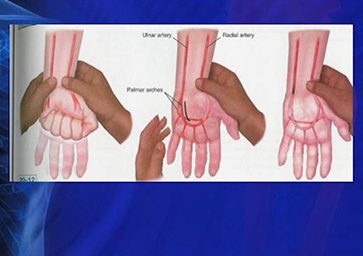
IntroductionThe radial artery has been considered a conduit for coronary surgery for more than 30 years. Its use has steadily increased over the years, especially in light of the benefits of arterial revascularization. The usual method of harvesting the radial artery has been by an open technique with an incision extending from the wrist to…
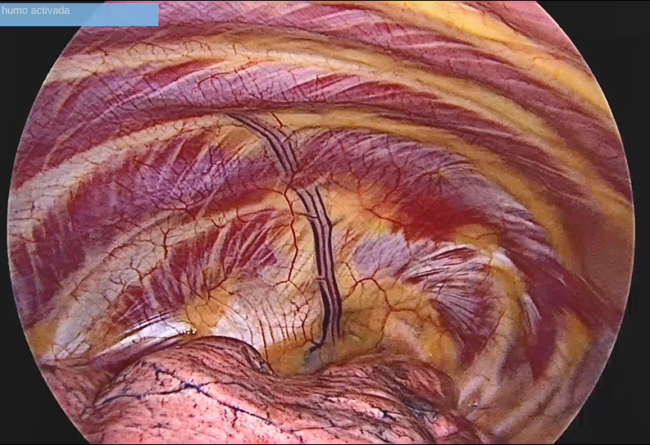
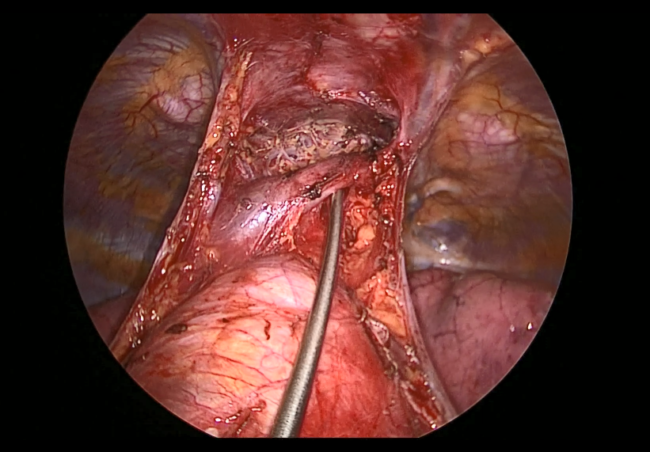
Thoracic outlet syndrome is a pathology caused by compression of the subclavian artery, subclavian vein, and/or brachial plexus. Its most effective treatment is the section of the scalene muscles, along with the removal of the first rib and section of adjacent ligaments. The authors show the first rib resection technique by videothoracoscopy. A 35-year-old woman…
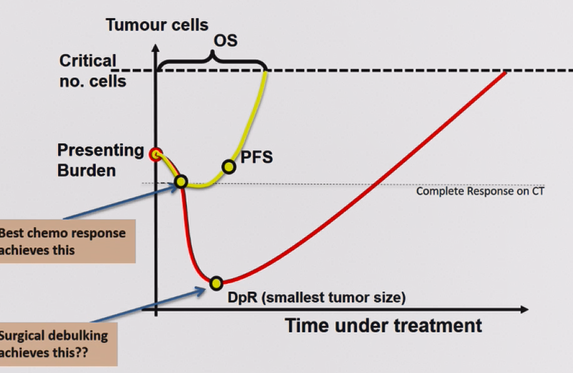
Wasat Mansoor of The Christie NHS Foundation Trust in the United Kingdom presents a discussion on the management of bronchial neuroendocrine tumors. He focuses on the current treatment strategies for these tumors and ongoing studies that are addressing issues with these treatments, as well as how to manage patients who have received surgery. This presentation…
This is the case of an elderly woman with significant tracheobronchomalacia (TBM) who presented with exertional dyspnea and cough. The patient underwent awake fiberoptic bronchoscopy, which confirmed posterior malaria with >90% narrowing of the trachea and right mainstream bronchus. The patient was treated conservatively with bronchodilators for six months without symptomatic improvement. She was referred…
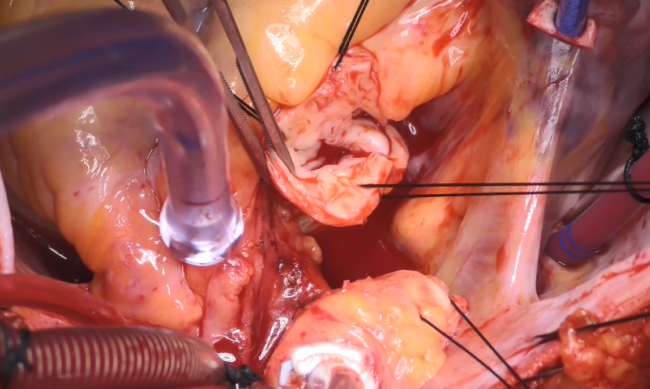
The patient is an 80-year-old woman with severe mitral valve regurgitation and moderate-severe mitral valve stenosis who was evaluated for mitral valve replacement. The patient had a mitraclip procedure performed two years prior and her mitral regurgitation had recurred. Her symptoms included fatigue and dyspnea on exertion. She had prior coronary stents and her imaging…
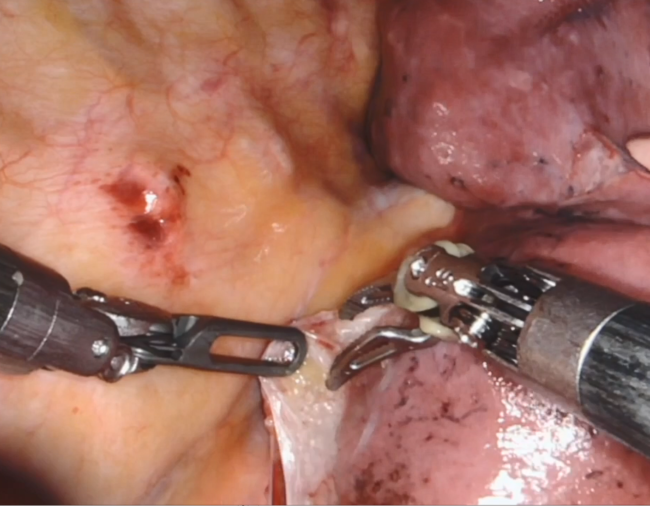
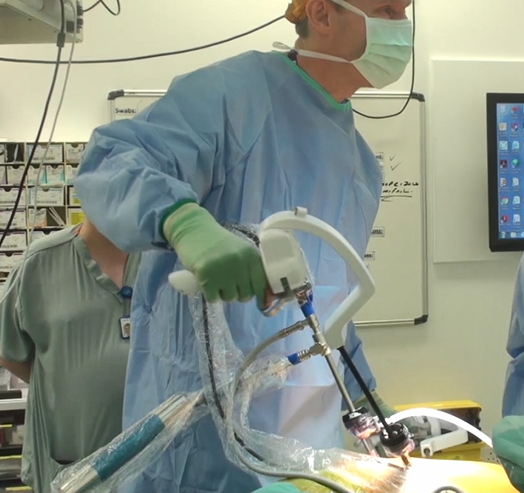
This video demonstrates a left VATS diaphragm plication using the ArtiSential® wristed instruments. These instruments allow for robotic-like movements with instruments for VATS procedures. The author used an automated camera holder, which allows the surgeon to control the camera, negating the need for an assistant, and again replicating one of the benefits of robotic surgery.…
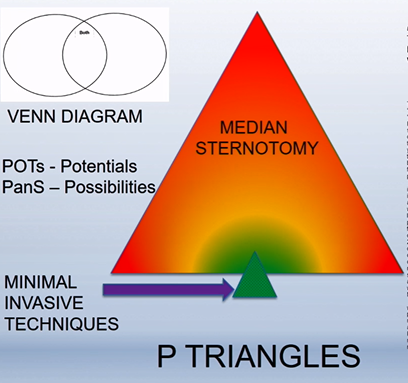
Prakash P. Punjabi of the National Heart and Lung Institute and the Imperial College Healthcare NHS Trust in London, United Kingdom, presents a discussion on using midline sternotomy for mitral surgery. He discusses the different types of mitral surgery, while also discussing minimally invasive methods and how they compare to midline sternotomy. This presentation was…
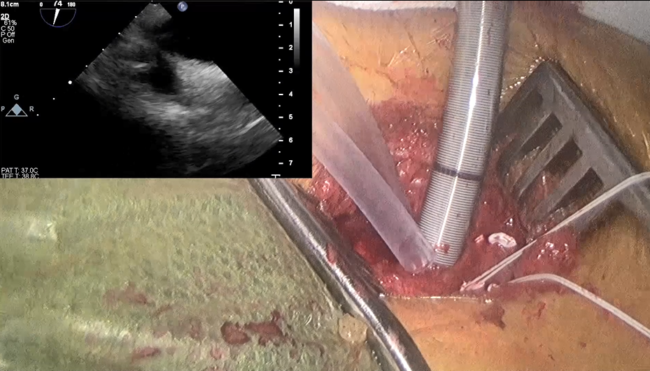
In this video, Alaaddin Yilmaz performs a totally endoscopic aortic valve replacement with a 2 cm utility incision and totally endoscopic suturing. This was performed at the A. V. Vishnevsky National Medical Research Center of Surgery, Ministry of Health of Russian Federation, Moscow, and was broadcast live as part of the AMICS meeting 2019, directed…
Peripartum cardiomyopathy is a disease that can lead to death. Peripartum cardiomyopathy (PPCM) is a rare, often dilated, cardiomyopathy with systolic dysfunction that presents in late pregnancy or, more commonly, the early postpartum period. Women with PPCM typically present with symptoms of congestion, including dyspnea on exertion, orthopnea, paroxysmal nocturnal dyspnea, and edema of the…
The patient was a 23-month-old, 8.6 kg girl with complex congenital heart disease consisting of dextro-mesocardic position, double outlet right ventricle, subaortic ventricular septal defect, pulmonary atresia, atrioventricular discordance, and left atrial isomerism. In addition, she had left superior vena cava connecting to right innominate vein, a midline inferior vena cava, and right aortic arch…
CTSNet published over 200 pieces of educational content in 2019. CTSNet Editor-in-Chief Mark Ferguson presents his choices, in no particular order, for the most interesting CTSNet content of 2019. Pictured: Subxiphoid Uniportal Nonintubated Thymectomy The Evolution of Cardiac SurgeryShruti Jayakumar, John McKenna, Martin Elliott Advances in Arterial CABGPatrick Myers, Michael Mack, John Puskas, Mario Gaudino…
Altmetric data “badges” are appended to new educational videos and articles published on CTSNet.org. Altmetric tracks the online impact of CTSNet videos and articles, including related social media activity, blog mentions, and other references on a broad variety of web platforms. As the year comes to a close, the CTSNet staff present the five highest…
CTSNet published over 200 pieces of educational clinical content in 2019. As the year comes to a close, the CTSNet staff present the five most popular pieces of congenital content published during 2019. Pictured: “Adult Supravalvular Aortic Stenosis: Modified Three-Patch Aortic Root Reconstruction” Adult Supravalvular Aortic Stenosis: Modified Three-Patch Aortic Root ReconstructionDerek Brinster, Jonathan Hemli…
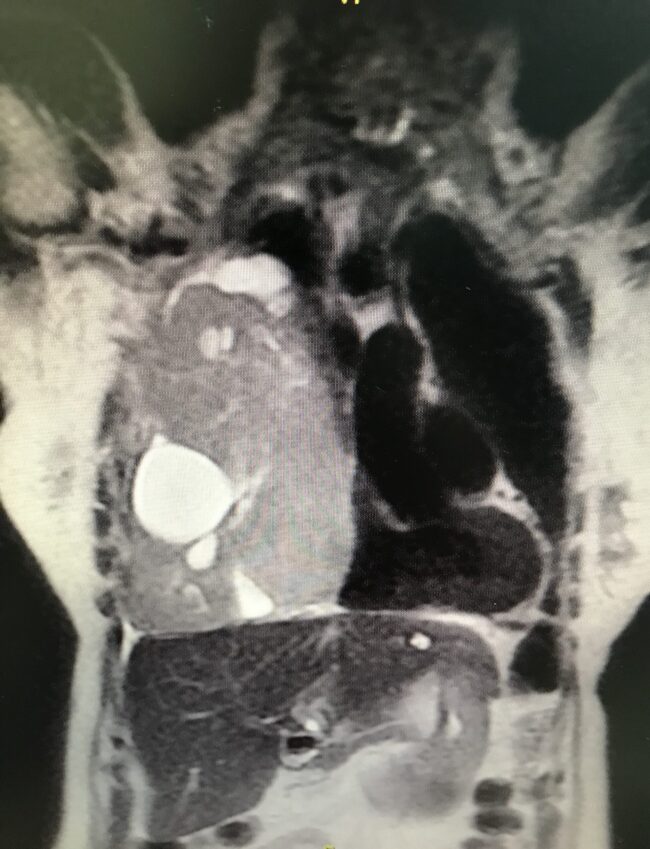
Case A 78-year-old woman with a history of rheumatoid arthritis consulted for progressive dyspnea of two months of evolution, associated with asthenia. Figure 1. Coronal section of computed tomography, where heterogeneous lesion with cystic area is observed, which displaces the mediastinum, collapses the lung, and flattens the diaphragm. The physical examination showed the abolition of vesicular…
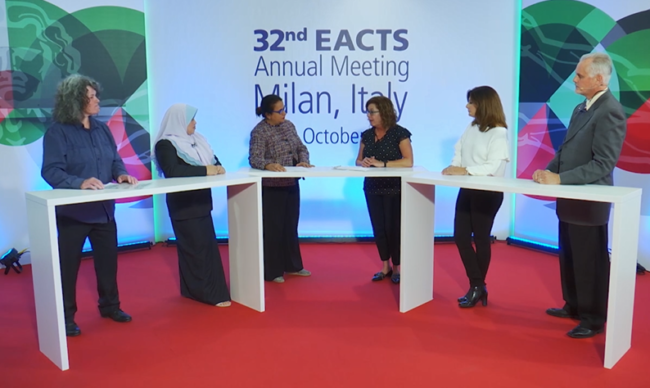
CTSNet published over 200 pieces of educational clinical content in 2019. As the year comes to a close, the CTSNet staff present the five most popular roundtable discussions published during 2019. Pictured: Participants from the “Goodbye Sternal Precautions, Hello Move in the Tube?” Roundtable Implications of Low-Risk TAVR on the Future of Cardiothoracic SurgeryTom C.…