Content from the Journal of the American Neurological Surgeons.
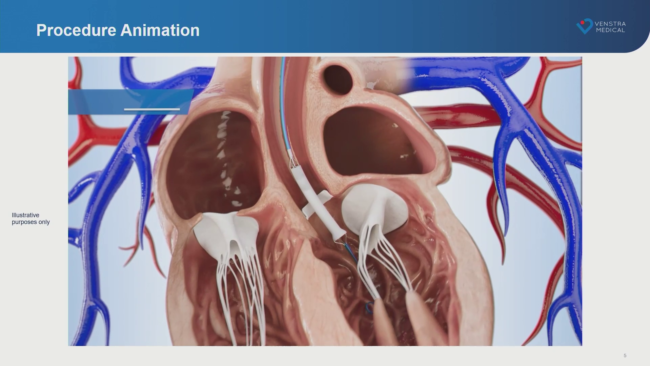
In June 2025, the American Society for Artificial Internal Organs assembled leading cardiothoracic surgeons to share insights and expertise on advanced topics in cardiothoracic surgery. Watch for more ASAIO 2025 videos in the coming weeks. At the American Society for Artificial Internal Organs (ASAIO) 2025 Annual Conference, Dr. Martin Cook, chief executive officer and cofounder of VenstraMedical,…
Currently in its 32nd year, the Birmingham Review Course is the longest-running course in the cardiothoracic specialty. The 2025 course promises an immersive learning experience featuring didactic lectures and interactive seminars on cardiac and thoracic topics, along with opportunities to engage with an international faculty. The 2025 Birmingham Review Course will take place from September…
In this remarkable interview, CTSNet Editor-in-Chief Joel Dunning speaks with Alexis Shafii, professor of surgery and surgical director of heart transplantation at The Texas Heart Institute at Baylor College of Medicine, about the first in-human BiVACOR total artificial heart implantation. They discuss the preclinical work and the history behind the development of this innovative…
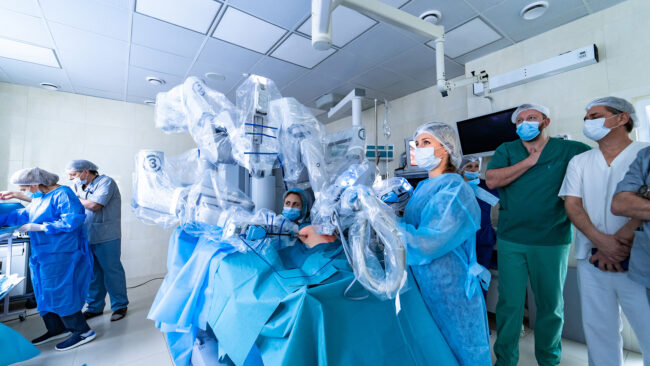
This video is the third-place winner from the 2025 Innovation Video Competition. Watch all entries into the competition, including the other winning videos. Objective Reoperative cardiac surgery is often viewed as a relative contraindication for robotic approaches. Here, the authors report a case of a robotic mitral valve replacement in a patient who underwent…
The common approach to a Bex-Nikaidoh procedure in a symptomatic neonate with dextro-transposition of the great arteries (D-TGA), ventricular septal defect (VSD), and left ventricular outflow tract obstruction is initial palliation by systemic-to-pulmonary shunt, followed by complete correction at an older age (1-5). Currently there is limited experience with this complex procedure in the neonatal…
In this series, CTSNet invites top cardiothoracic surgeons from around the world to engage in in-depth discussions about important topics in the field of CT surgery by examining specific cases in detail. Watch for more insightful master class videos in the coming weeks. In this in-depth discussion, CTSNet Editor-in-Chief Dr. Joel Dunning and Dr.…
This video is the second-place winner from the 2025 CTSNet Innovation Video Competition. Watch all entries into the competition, including the other winning videos. Leaflet replacement is one of the techniques used in aortic valve repair to preserve the valve. It is frequently performed when a leaflet is damaged or destructed due to conditions such as…
In open and video-assisted thoracic surgery (VATS) pulmonary surgery, direct palpation allows surgeons to locate small or deep pulmonary nodules with the sense of touch. However, in robotic-assisted thoracic surgery (RATS), the absence of tactile feedback represents a significant limitation. This video illustrates how visual strategies can be used to compensate for this loss. By…
This is the first-place video from the 2025 CTSNet Innovation Video Competition. Watch all entries into the competition, including the runner-up and third place winner. Click here to watch Dr. Sameh Said’s interview with CTSNet Editor-in-Chief Joel Dunning. Background Hypoplastic left heart syndrome (HLHS) represents a constellation of defects affecting the left side of the heart,…
Objective Whether the moderator band should always be preserved or cut during the relief of the pulmonary subvalvar obstruction in the repair of tetralogy of Fallot (TOF) is a controversial topic. This presentation includes two cases illustrating that, at times, the moderator band can obstruct the right ventricular outflow tract in TOF and should be…
Idiopathic diaphragmatic relaxation is a rare condition characterized by the abnormal elevation of one hemidiaphragm within the thoracic cavity without any evidence of abdominal visceral herniation. This anatomical displacement can lead to symptoms such as dyspnea, dysphagia, and tachycardia. While many cases are secondary to phrenic nerve injury—either post-traumatic or post-surgical—a subset of patients presents…
This is a case presentation of a 9-day-old female infant born at 38 weeks with a postnatal diagnosis of interrupted aortic arch type B, two large posterior malaligned ventricular septal defects, severe left ventricular outflow tract narrowing, and a large patent foramen ovale. Additional noncardiac findings indicated an absence of thymic tissue, correlating with clinical…
Currently in its 32nd year, the Birmingham Review Course is the longest-running course in the cardiothoracic specialty. The 2025 course promises an immersive learning experience featuring didactic lectures and interactive seminars on cardiac and thoracic topics, along with opportunities to engage with an international faculty. The 2025 Birmingham Review Course will take place from September…
In May 2025, the International Society for Minimally Invasive Cardiothoracic Surgery brought together professionals in the field of cardiothoracic surgery to discuss and share knowledge on minimally invasive techniques. Watch for more ISMICS 2025 videos in the coming weeks. At the International Society for Minimally Invasive Cardiothoracic Surgery Annual Scientific Meeting 2025, Dr. Danny…
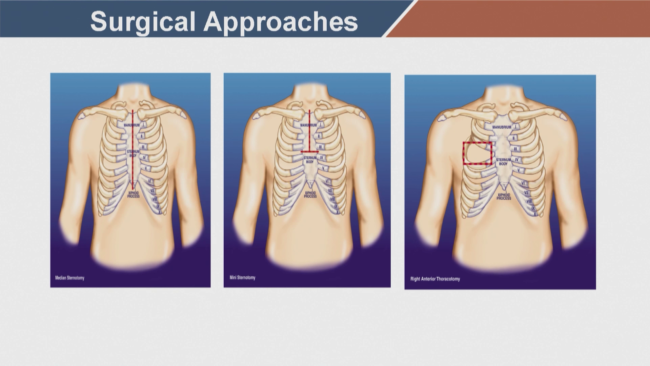
The complexity of cardiac surgery precludes its application via minimally invasive approaches compared to other surgical specialties. Despite these complexities, minimally invasive cardiac surgery (MICS) has been applied in procedures such as coronary artery bypass grafting (CABG), valve repairs and replacement (1), and, more recently, for congenital heart defects (CHD) (2). This case provides insight into…
Materials and Methods A 56-year-old male with a history of systemic hypertension presented with dyspnea on exertion, classified as New York Heart Association (NYHA) Class III for one month. C linical examination revealed an apex beat located at the fifth left interspace outside the midclavicular line, along with slightly reduced air entry in the left hemithorax. …