Content from the Journal of the American Neurological Surgeons.
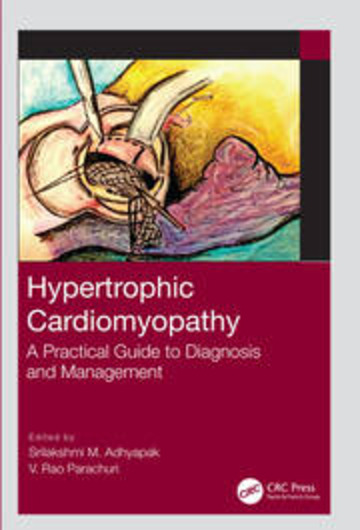
I was delighted to be asked to review Hypertrophic Cardiomyopathy: A Practical Guide to Diagnosis and Management by Dr. Srilakshmi M. Adhyapak and Dr. V Rao Parachuri, as I have had a continuing interest in the diagnosis and management of hypertrophic cardiomyopathy (HCM) since my publication of one of the earliest reports on the use…
In this video, the authors present a recent case of subaortic membrane resection via cosmetically appealing right axillary minimally thoracotomy, with an emphasis on the quality of the exposure, ease of procedure, and tips to facilitate carrying it out with no special equipment. Disclaimer The information and views presented on CTSNet.org represent the views of…
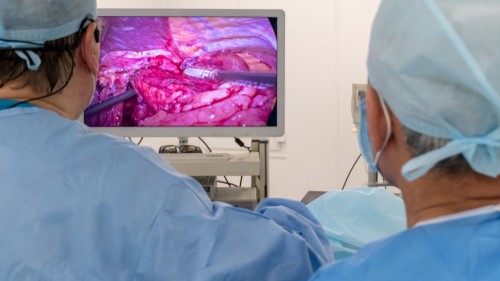
Harvesting a well-preserved and undamaged pair of donor lungs is vital for a good outcome after a lung transplant. This video shows the authors’ retrieval technique, which has been standardized and is easy to follow and fully reproducible by fellows with minimal assistance. The goals of a donor lung retrieval include: 1. Careful assessment of…
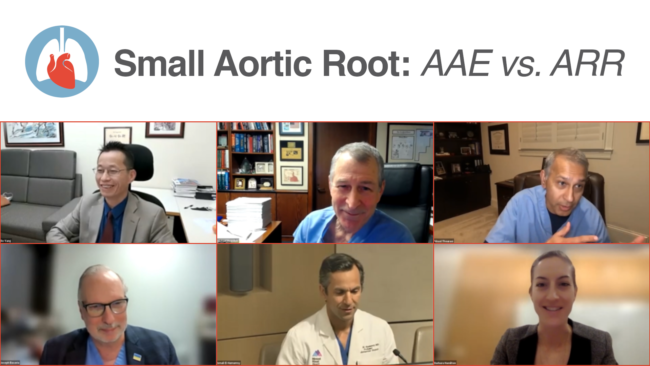
CTSNet had the great privilege of hosting an expert-filled roundtable on aortic root enlargement (AAE) vs. total root replacement (ARR) for the small aortic root. Barbara Hamilton moderated the debate alongside Vinod Thourani. They welcomed Bo Yang, Michael Reardon, Joseph Bavaria, and Ismail El-Hamamsy to discuss the topic in-depth. The webinar formally introduced each expert…
Radical thymectomy is the primary surgical treatment for thymomas, particularly for those suffering from myasthenia gravis as a result. Several surgical approaches exist, with a subxiphoid approach demonstrating good oncological and biochemical outcomes. This video demonstrates a radical thymectomy via a subxiphoid approach in conjunction with standard VATS ports. The additional subxiphoid port allowed easy…
As one of the most performed cardiac surgical procedures worldwide, the coronary artery bypass graft (CABG) is important to understand in all of its variations. This roundup of CTSNet’s most popular CABG content over the past few years includes helpful material on nuances of the procedure, from complex composite grafting, to minimally invasive CABG, to…
Preventing chronic pulmonary insufficiency (PI) is a huge challenge in Tetralogy of Fallot (TOF) repair. Right ventricular dysfunction and arrhythmias secondary to chronic pulmonary insufficiency (PI) are the major causes of long-term morbidity in patients with previous surgical repair of TOF and its related conditions. Many techniques have been introduced to prevent chronic PI in…
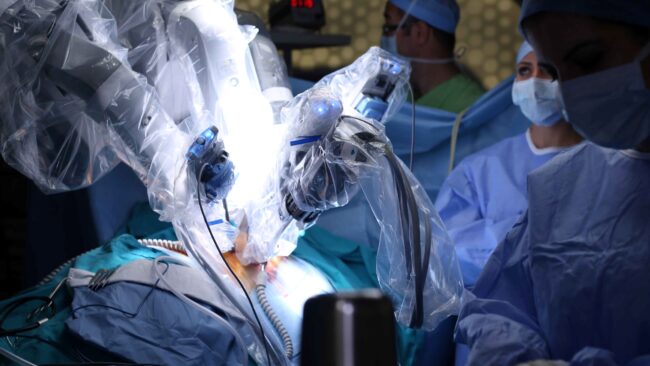
This video shows a robotic right upper lobectomy in twelve steps with a focus on technique, technical pearls, and anatomy. The patient is a sixty-four-year-old woman with a 10.5 pack-per-year smoking history. In 2017, she was found to have a 1.6 cm cystic lung nodule in the periphery of the right upper lobe (RUL).…
As the current generation of baby boomer cardiothoracic surgeons approach their retirement and those of Generation X have entered their careers, millennials have begun to infiltrate surgical training programs as residents and fellows in cardiothoracic surgery. With youthful enthusiasm arrives a new perspective from minds who so heavily rely on computer technology; thus, traditional learning…
This video delivers a detailed explanation of a complex S10 segmentectomy performed via uniportal incision. The surgeons utilize ICG technology to demarcate the intersegmental plane—a key step in achieving adequate resection margins and allowing a degree of necessary parenchymal sparing. The video also clearly illustrates the subsegmental bronchial and vascular anatomy, as well as…
CTSNet is excited to host a debate on the topic of aortic root enlargement (AAE) vs. total root replacement (ARR) for the small aortic root. Cardiac surgery experts Bo Yang, Michael Reardon, Joseph Bavaria, Vinod Thourani, and Ismail El-Hamamsy will each share their unique preferences, explanations, and arguments for which procedure is optimal. View the…
This video shows the case of a twenty-six-year-old mother of four with a history of BRCA 2 gene mutation, breast cancer, bilateral mastectomies, and radiotherapy. The patient developed dilated cardiomyopathy requiring emergency VA ECMO. She was highly sensitized, with cPRA at 95 percent and multiple failed attempts at VA ECMO wean. She underwent implantation…
Presently, hyperhidrosis is the most important established indication for thoracic sympathectomy. Historically, surgical sympathectomy for hyperhidrosis has been associated with three areas of controversy: the surgical approach; the technique of sympathectomy; and the extent of sympathectomy. Many surgical approaches have been described: the posterior thoracic approach; cervical supraclavicular approach; transthoracic approach; transaxillary approach; thoracoscopic…
This video shows the authors’ technique of minimally invasive atrial septal defect (ASD) closure in children, including tips for easy exposure and description of potential pitfalls. Disclaimer The information and views presented on CTSNet.org represent the views of the authors and contributors of the material and not of CTSNet. Please review our full disclaimer page…
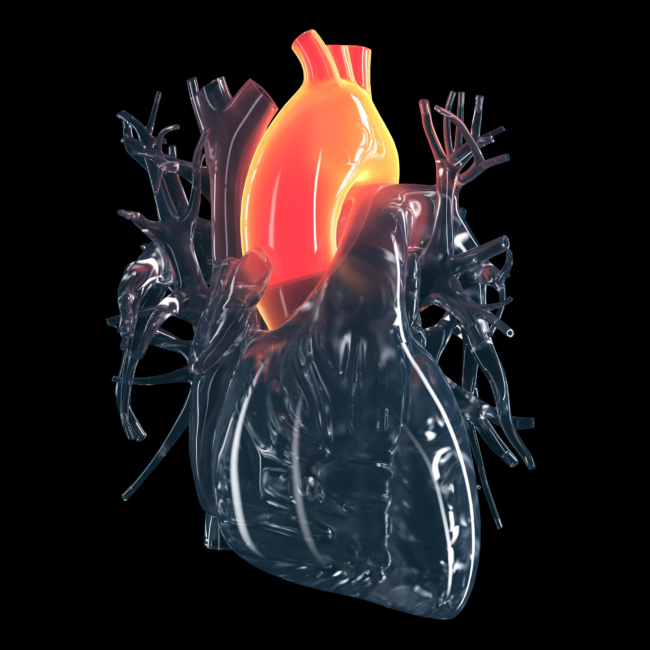
Patient selection for hypertrophic cardiomyopathy (HCM) surgery is based on clinical presentation risk factors and imaging studies. The main modalities of imaging are echocardiography and cardiac MRI. It is often productive for the surgeon to spend time in the imaging department interacting directly with the imaging specialists in order to plan the extent of…
In anticipation of the 36th Annual European Association for Cardiothoracic Surgery (EACTS) Meeting, CTSNet met with two representatives of the association. Dr. Rafael Sádaba Sagredo, secretary general and chair of the EACTS Education Committee, joined the discussion alongside Dr. Patrick Myers, secretary general elect and chair of the adult cardiac surgery domain. In this brief…


 welcomes you to the new, improved website!