Content from the Journal of the American Neurological Surgeons.
Ventricular septal defect (VSD) occurs in less than 1 percent of patients suffering from myocardial infarction (1), but anterior or apical VSD provides more than 60 percent of all postischemic VSD (2,3). Left ventricular aneurysm (LVA) is a more frequent mechanical complication of myocardial infarction, yet later in the clinical course of infarction (4).…
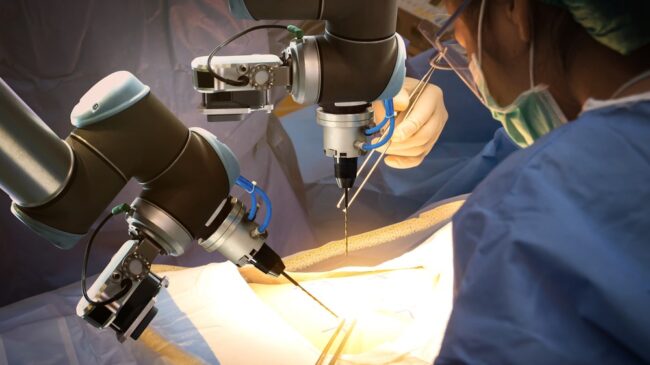
OverviewThe goal of minimally invasive surgery (MIS) is to reduce surgical trauma to patients (1–5). The latest advances in MIS, as well as the increased availability of robotic platforms, are increasing the worldwide use of robotic assisted thoracoscopic surgery (RATS) in the treatment of lung cancer. Recently, major pulmonary resections were reported to be feasible…
The half-turned truncal switch operation was introduced by Professor Masaaki Yamagishi in 2003 for children with complex transposition of great arteries and double outlet right ventricle (TGA type), with remote or small ventricular septal defect and mild to moderate left ventricular outflow tract obstruction (1,2). It is a complex cardiac surgical procedure, but it can…
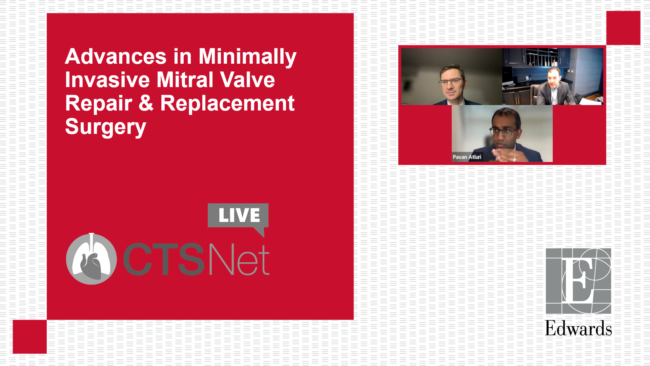
CTSNet was pleased to host a webinar on the topic of “Advances in Minimally Invasive Mitral Valve Repair & Replacement Surgery” in collaboration with Edwards Lifesciences. The webinar was broadcasted to a live audience on December 5, 2022. The faculty featured renowned leaders in the North American cardiac surgery community, including Pavan Atluri (Perelman School of…
Minimally invasive surgery is now a reality in most surgical specialties. With new technological improvements, new instruments, better video support, anesthesia refinement, and robotic platforms allowing 3D view and extension of the surgeon’s hands, increasingly challenging cases are suitable to this approach. The case featured in this article and the accompanying video demonstrates the safety…
3D printing has multiple useful applications in aortic surgery. It can be used in anatomical education for medical students who are pursuing their degrees. 3D printed models have helped patients have the best understanding of their anatomy, disease, surgical risk, and more satisfaction during the informed consent process. It is also possible to create…
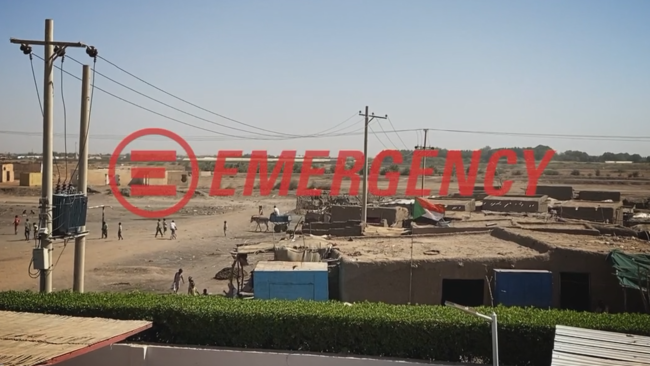
In 2007, the Italian-based charity EMERGENCY International opened its Salam Centre for Cardiac Surgery, which remains the only completely free cardiac hospital in an area home to more than 300 million people. The center is situated on the outskirts of the Sudanese capital, Khartoum, and remains one of very few facilities across the African continent…
This video presents surgical details of the double switch operation, consisting of ventricular septal defect (VSD) closure, Senning, and arterial switch procedures in a five-year-old boy. The patient had previously undergone pulmonary artery (PA) banding at two months of age. Preoperative investigation consisted of an echocardiography, angiogram, and cross-imaging data (MRI and CT scan)…
November’s top content includes a definitive roundup of step-by-step cardiac procedures, a featured profile packed with valuable insights, a sneak peek at a few Resident Video Competition submissions (deadline for entries in this year’s competition is December 30, 2022), and more. 1. 5 Step-by-Step Cardiac Procedures to Strengthen Your SkillsBy Cameron LindThe most popular article this…
Complications of acute ischemic heart disease include ventricular septal rupture resulting in a defect and sudden left to right shunt. This results in pulmonary overcirculation and heart failure. The incidence has declined significantly in the era of rapid percutaneous intervention—from 1 to 3 percent of ST-segment elevation myocardial infarctions down to 0.17 to 0.31…
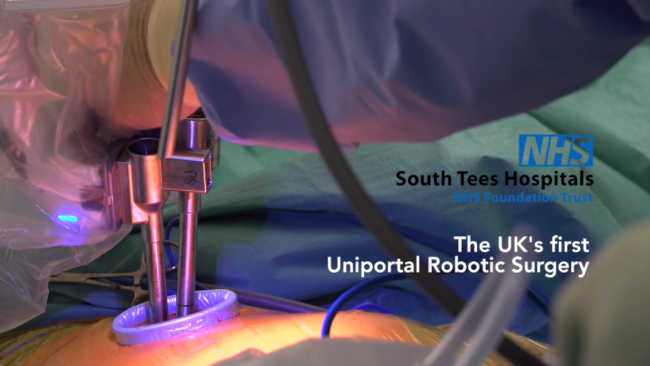
This quick video documents the first four cases of uniportal robotic surgery taught by Diego Gonalez Rivas in the UK. Patients and surgeons at James Cook University Hospital were very grateful for him taking the time to teach us this interesting technique. Look out for more videos on this technique as surgeons investigate its place…
This video shows a sixteen-year-old male patient who underwent two previous sternotomies for repair of a complete atrioventricular septal defect, followed by re-repair of the left atrioventricular valve (mitral valve) and resection of subaortic membrane. In addition, he had a known mild aortic coarctation that was followed over the years with no interventions. The patient…
Over the last two years, the Guest Editor Series has been a key vehicle in advancing CTSNet’s mission to educate and connect the global cardiothoracic surgery community. Recent guest editors such as Konstadinos Plestis, Marc Gerdish, Virginia Litle, Eduard Quintana, and Alan Sihoe have brought together top fellow experts in their fields to produce curated…
A fifteen-year-old girl (BMI 16.4 kg/m) with a two-year history of dysphagia, periprandial angina, and anorexia was referred to pediatric general surgery. A contrast swallow demonstrated a luminal obstruction to the esophagus, but the cause was not visible with this modality. Therefore, the patient underwent a CT scan of the thorax and abdomen, which…
This video shows a case in which a colonic interposition is performed to restore enteric continuity after a failed Ivor-Lewis esophagectomy in a sixty-one-year-old male. This initial surgery was performed to treat distal esophageal cancer. Because of a leak after the index esophagectomy, the patient required a cervical diverting esophagostomy. The video authors demonstrate the…
The patient is a twelve-month-old boy born at full term with a prenatal diagnosis of corrected transposition and intact ventricular septum with mild displacement of the tricuspid valve. He was admitted to the NICU for observation for three days, but developed progressive heart failure with severe right ventricular (RV) dysfunction and moderate to severe…