Content from the Journal of the American Neurological Surgeons.
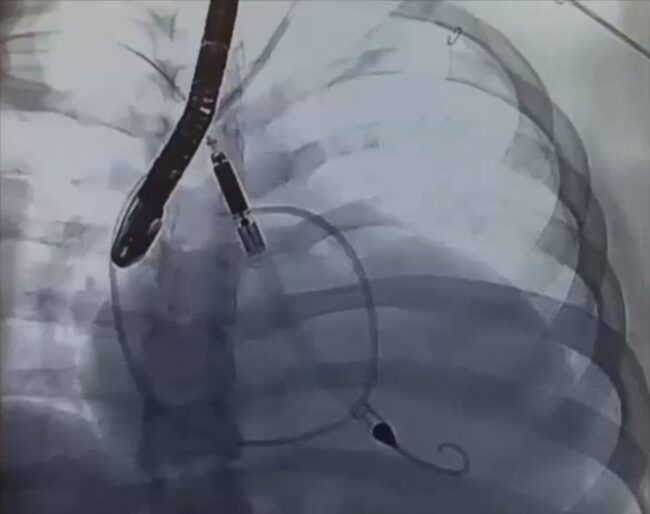
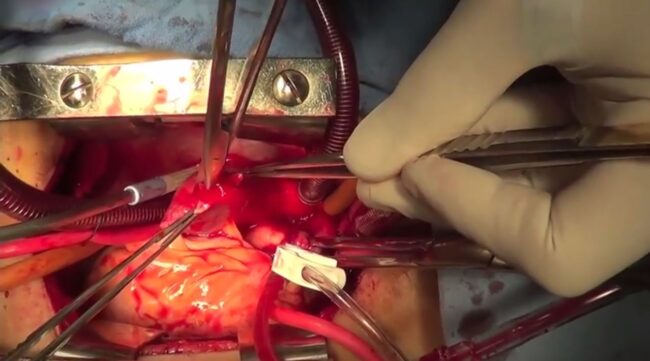
2015 Resident Video Competition Award Winner Objectives The authors describe their experience using a percutaneous left ventricular assist device (LVAD) as a bridge to transplant in a morbidly obese pediatric patient with severe heart failure due to viral myocarditis. Prior similar reports are extremely limited. This video demonstrates a minimally invasive, effective, and well-tolerated treatment…
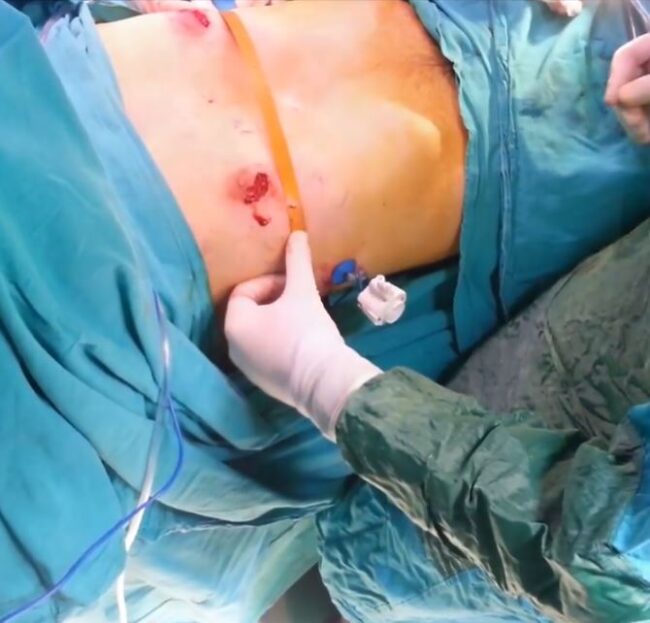
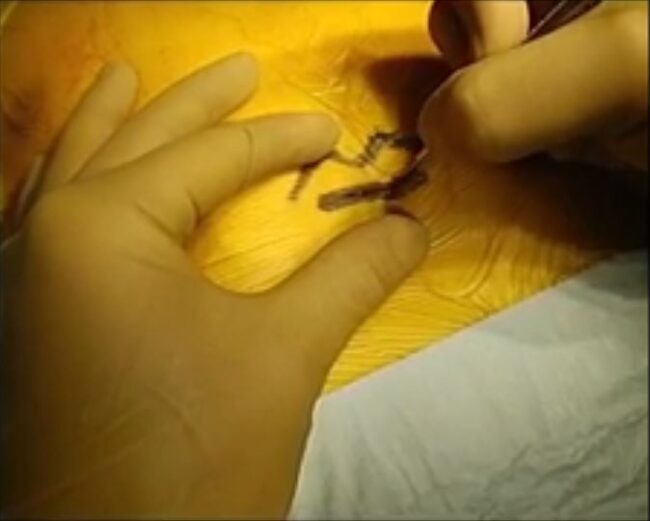
Pectus excavatum is a congenital deformity of the chest. Several surgical techniques have been used for the repair of pectus excavatum to avoid postural, cardiac, lung, and psychosocial developmental disorders. Many incision techniques have been introduced to reduce scar formation and keloid development. In the authors’ clinic, a crescent-shaped periareolar incision is utilized for minimally…
John Elefteriades of Yale University School of Medicine, New Haven, United States, shares ten tips for circulatory support during aortic surgery. Dr. Elefteriades discusses basic and advanced principles for the management of aneurysms and dissections. This presentation was originally given during the SCTS Ionescu University program at the 80th Annual Meeting of the Society for…
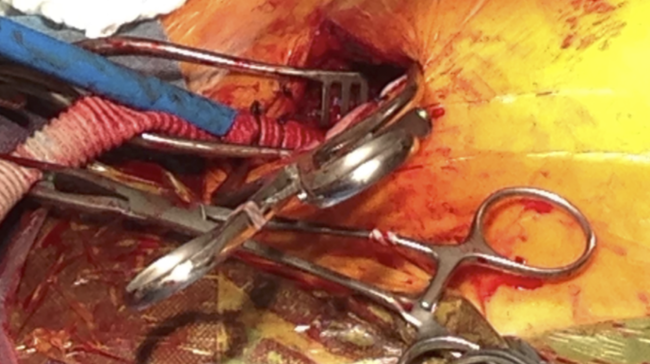
Introduction Transcatheter aortic valve replacement (TAVR) has emerged as a successful treatment for patients deemed unsuitable for open aortic valve replacement (1). Well-described TAVR access approaches such as transfemoral (TF), transapical (TA), transsubclavian, and transcarotid have been successful (2, 3, 4, 5). However, despite multiple approaches, some patient’s aortic anatomy necessitates alternate strategies. One of…
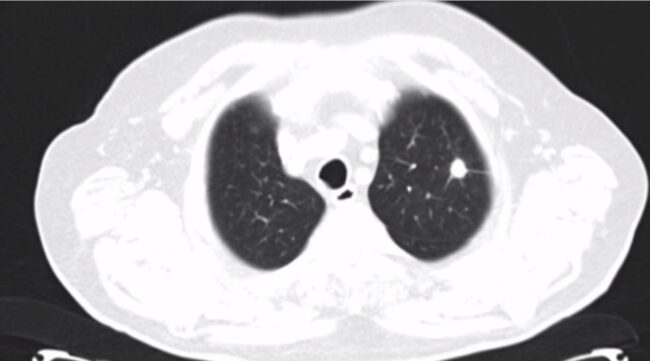
A 78-year-old patient was admitted to the authors’ department for a left upper lobe nodule resection. The patient had a past history of smoking and comorbidities, including hypertension and COPD. He had no symptoms, but an x-ray revealed a nodule in the left upper lobe. The CT scan confirmed that there was an 11 mm…
This video demonstrates the case of a 47-year-old male patient who was diagnosed with severe mitral valve regurgitation and prolapse in P2. The patient was in NYHA functional class II, and a mitral valve repair was performed by P2 quadrangular resection, plus annuloplasty. A superior septal approach was used to address the mitral valve. Critical Surgical…
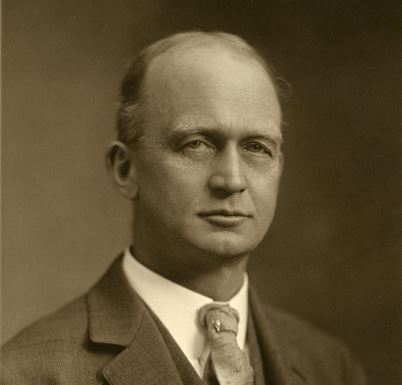
In this STSA President’s Invited Lecture given at the 2014 STSA Annual Meeting, David Shahian discusses Ernest Codman’s vision of enhancing quality in health care, noting that 100 years later some of Dr. Codman’s key principles still remain strongly relevant. Dr. Shahian currently serves as Professor of Surgery at Harvard Medical School, Vice President of…
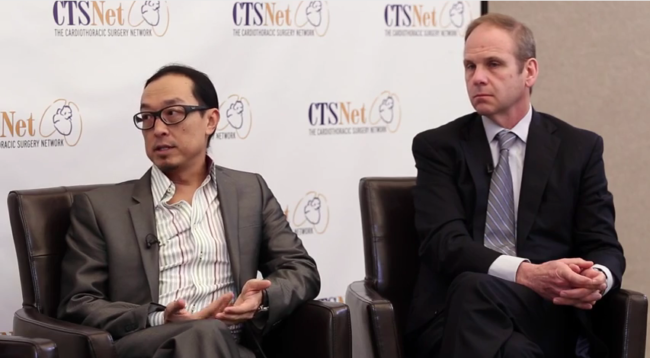
To what extent must surgeons be required to have residents operate on their patients to satisfy board requirements? Richard Ohye of the University of Michigan and James Jaggers of the University of Colorado debate this complex question, including the issues of patient safety, public reporting, and commitment to training residents. Robert Sade moderates the debate,…
In a previous study, the author reported the application of single-port thymectomy through an infrasternal approach. In this video, the surgical technique is shown. The patient was placed in the supine position with his legs spread, and the surgeon stood between the patient’s legs. First, a 3 cm transverse incision was made below the xiphoid…
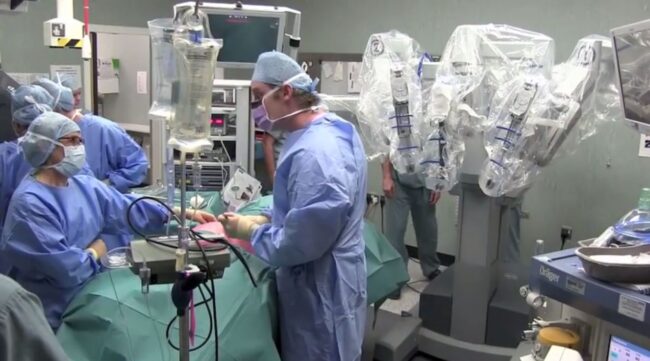
This video documents the author’s technique for robotic diaphragm plication. The robot is docked below the patient. Ten horizontal mattress sutures are placed in the chest under CO2. A 4-port technique is used. Figure 1: Pre-operative CXR of the patient shows a left-sided paralyzed diaphragm. Figure 2: Post-operative day two CXR of the patient after…
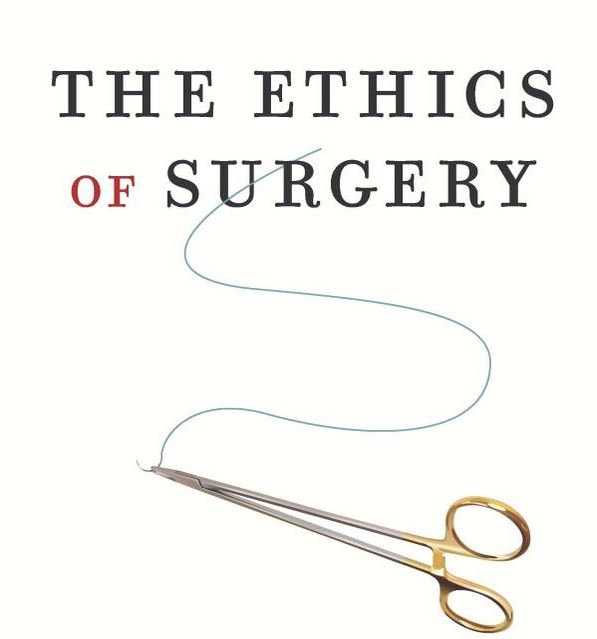
The Ethics of Surgery: Conflicts and Controversies Robert Sade, EditorOxford University PressISBN 0190204524, 384 pages. $33.25 When we think of medical ethics or bioethics, often what first comes to mind are controversial political issues such as abortion, embryonic stem cell research, euthanasia, and physician-assisted suicide. So, what occurs to us when someone mentions surgical ethics? Perhaps…
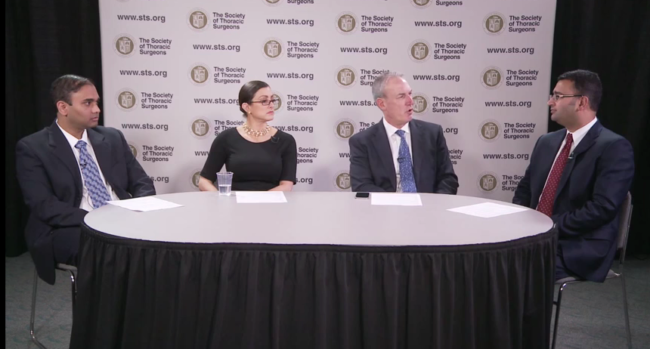
Filmed at the 2015 STS Annual Meeting in San Diego, California, this roundtable discussion focuses on work-life balance issues within the cardiothoracic surgery specialty. Douglas Wood moderates this discussion with Fawwaz Shaw, Emily Farkas, and Nahush Mokadam. The panelists share their own definitions of work-life balance, and discuss ways in which current CT surgeons can help…
Gianluigi Bisleri of University of Brescia Medical School, Brescia, Italy, discusses a hybrid treatment for atrial fibrillation using endoscopic ablation. Dr. Bisleri shares the surgical technique and stresses the importance of a team approach in undertaking this procedure. This presentation was originally given during the SCTS Ionescu University program at the 80th Annual Meeting of…
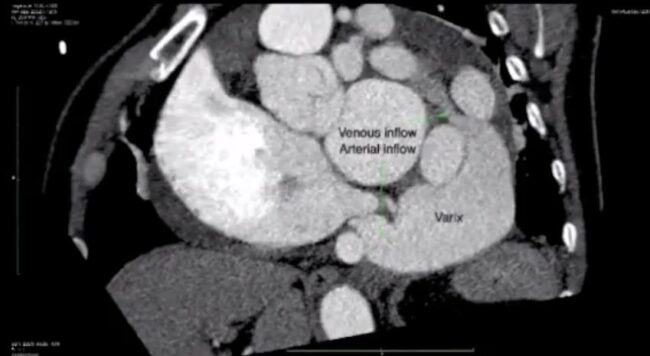
Introduction Coronary fistulae are very rare anomalies found in only 1-2% of the population. However, within the spectrum of congenital coronary anomalies, termination anomalies are the most common after origin anomalies (e.g., anomalous coronary artery from the pulmonary artery and anomalous aortic origin of the coronaries). If untreated, patients develop heart failure because of a…
The authors report a case of tracheal ring resection with crico-tracheal anastomosis performed under endoscopic assistance. In 2010, a 31-year-old Caucasian male was involved in a high-velocity motor vehicle accident. He experienced severe polytrauma and subarachnoid hemorrhage. A slow recovery was predicted, and a surgical tracheostomy was performed. The patient was then transferred to a rehab…
This roundtable discussion, filmed at the 2015 STS Annual Meeting, focuses on the different training paths open to cardiothoracic residents in the United States. Michael Bolanos moderates this discussion with Doug Wood, Richard Feins, and Asad Shah. The panel discusses the variety of traditional and integrated training programs, including the pros and cons of each…